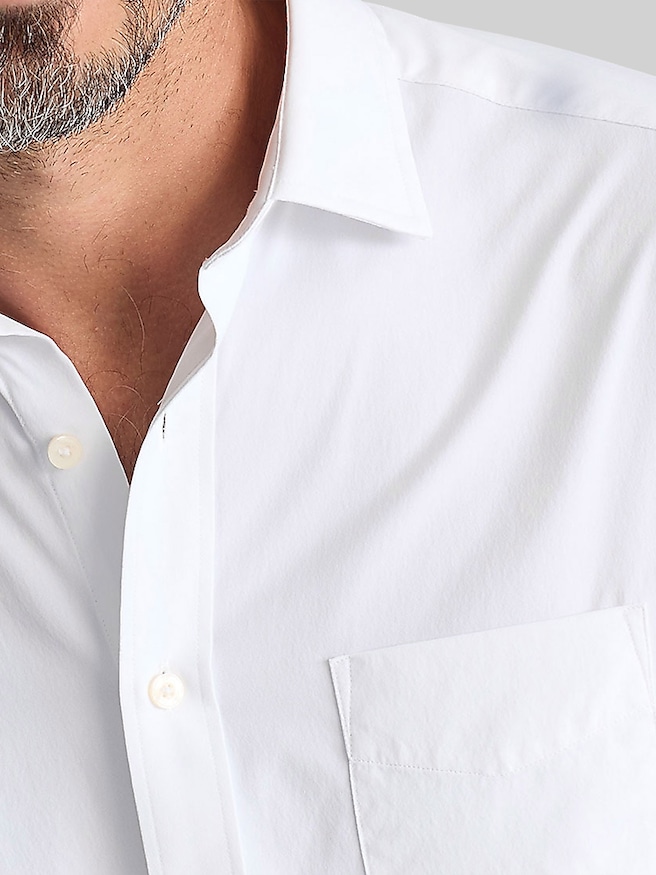
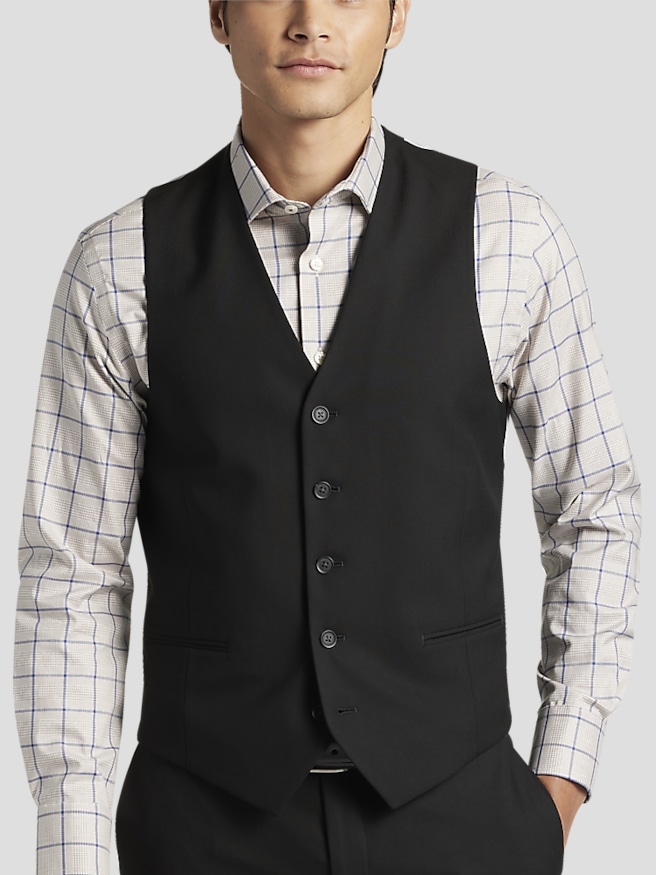
Button-up clothing brings structure to everyday dressing without limiting it to a single setting. Defined by a full-length front opening secured with buttons, a button-up shirt can look crisp beneath a suit jacket, relaxed with jeans, or comfortably layered over a T-shirt. The term describes the front closure, not the collar: a button-down shirt is a type of button-up with small buttons that secure the collar points to the shirt. That distinction matters when choosing the overall feel of an outfit. A spread or point collar often works well with tailored clothing, while a button-down collar lends itself to business-casual outfits and weekend wear, though fabric and construction also influence formality. Color and pattern add another layer of character. Solid white and light blue provide a clean background for jackets and ties; fine stripes offer visual texture without overwhelming an outfit; checks and deeper shades can feel at home with denim, chinos, and casual trousers. For someone moving from a morning meeting to dinner, a neatly pressed shirt with an open collar can bridge both settings with little adjustment. During the cooler months, the same front-button design makes layering practical: a lightweight shirt fits beneath a sweater, while a heavier shirt can sit over a knit base layer for a walk outdoors. The appeal is partly in that flexibility, but also in familiar details—the line of the placket, the shape of the collar, and cuffs that sit neatly at the wrist. These elements give even a simple outfit a sense of finish. The broader range of Men's Button Up Fashion reflects how easily this style moves between polished and laid-back wardrobes. For office days, family gatherings, travel, or an evening out, button-up shirts offer a useful balance of coverage, adjustability, and personal expression. They can serve as the foundation of a small, practical wardrobe or add variety through subtle changes in texture, collar shape, and pattern.
Fabric gives button-up clothing much of its personality, affecting how a shirt drapes, feels against the skin, and holds up through repeated wear. Cotton is a familiar choice for its softness and breathability, but the weave makes a substantial difference. Oxford cloth has a basket-weave structure with visible texture and a generally substantial feel, making it well suited to casual offices and everyday outfits. Poplin has a smoother, finer surface that often sits cleanly beneath tailoring, especially when a less textured appearance is preferred. Twill is recognizable by its diagonal weave and can offer a supple drape, though weight and finish vary. Flannel is a fabric with a brushed surface rather than a single weave type; its soft nap creates a cozy feel that suits cooler-weather layering. Linen and linen blends offer an airy texture, with natural creasing that contributes to a more relaxed appearance. A cotton-linen blend can work comfortably indoors or beneath a light layer when a heavier fabric would feel excessive. Fabrics blended with synthetic fibers may provide added wrinkle resistance, while a small amount of stretch can help a close-fitting shirt move more comfortably. Those qualities depend on the composition and construction, so the fabric label is more informative than appearance alone. Weight also changes intended use. A fine, lightweight shirt generally slips beneath a fitted jacket more easily than a thick brushed shirt, which may be better worn on its own or as an outer layer. On a long day that includes a commute, desk work, and an evening gathering, breathability and freedom of movement matter as much as a freshly pressed finish. For a casual afternoon, a textured fabric that looks good with a few natural creases may feel more appropriate. The strongest choice is not necessarily the smoothest or heaviest cloth, but one whose texture, weight, and maintenance needs match the way it will be worn. A shirt should feel comfortable after several hours, not just look sharp on a hanger.
Fit determines whether those fabric qualities translate into comfortable, dependable wear. On a traditionally fitted shirt, the shoulder seams should sit near the shoulder edges, and the buttoned front should lie reasonably flat without pulling across the chest or stomach. Enough room to reach forward, sit down, and bend the elbows helps prevent a polished silhouette from feeling restrictive. Slim fits follow the body more closely, while classic or relaxed cuts generally allow additional space through the torso; the names are not standardized, so measurements remain important. A collar intended for a tie should fasten comfortably without pinching, and sleeves should reach the wrist without swallowing the hand. Hem length matters, too. Longer tails help a dress shirt stay tucked through a workday, whereas a shorter hem can create a balanced untucked appearance. Layering adds another consideration: a shirt worn over a T-shirt needs room for that extra fabric, while one beneath a sweater benefits from less bulk through the body and sleeves. Durability depends on more than fabric thickness. Even stitching, securely attached buttons, and neatly finished seams are useful signs of careful construction, particularly around cuffs and other areas that receive frequent handling. Care should always follow the garment label, since blends, finishes, and trims can require distinct treatment. Washing with similar colors, avoiding unnecessary high heat, and addressing a loose button before it falls off can help maintain both appearance and function. Promptly hanging or folding a clean shirt reduces avoidable creasing; pressing requirements vary with the material and the desired finish. For someone building a work wardrobe, preparing for interviews, or refreshing everyday clothing, button-up shirts can also make thoughtful gifts when size, preferred fit, and care habits are known. The most useful gift suits the recipient’s actual routine, whether that means easy-care fabric for frequent travel or a soft, textured shirt for relaxed weekends. With the right proportions and fabric, button-up clothing earns its place through regular use, offering a composed look that still leaves room to move and feel at ease.