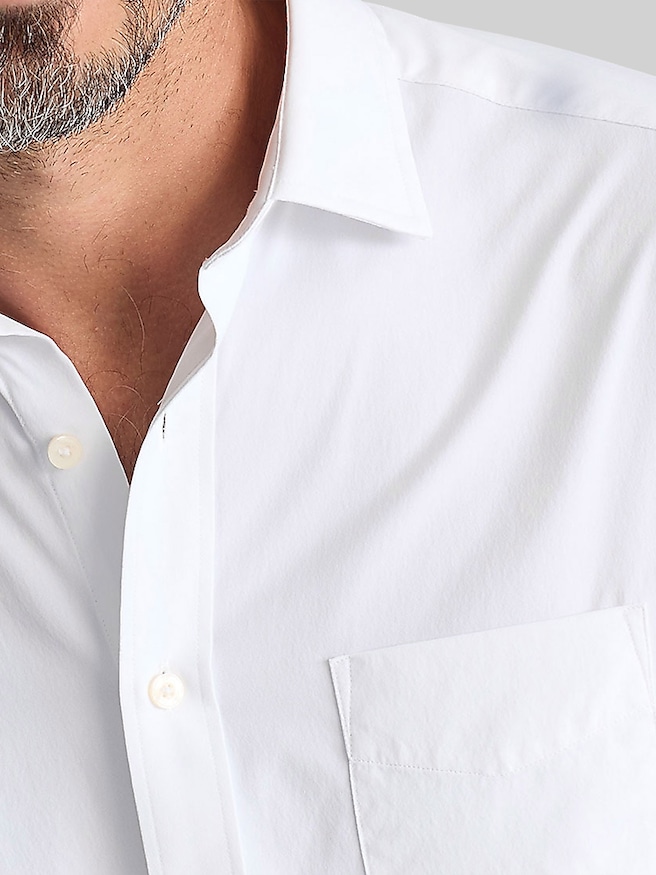
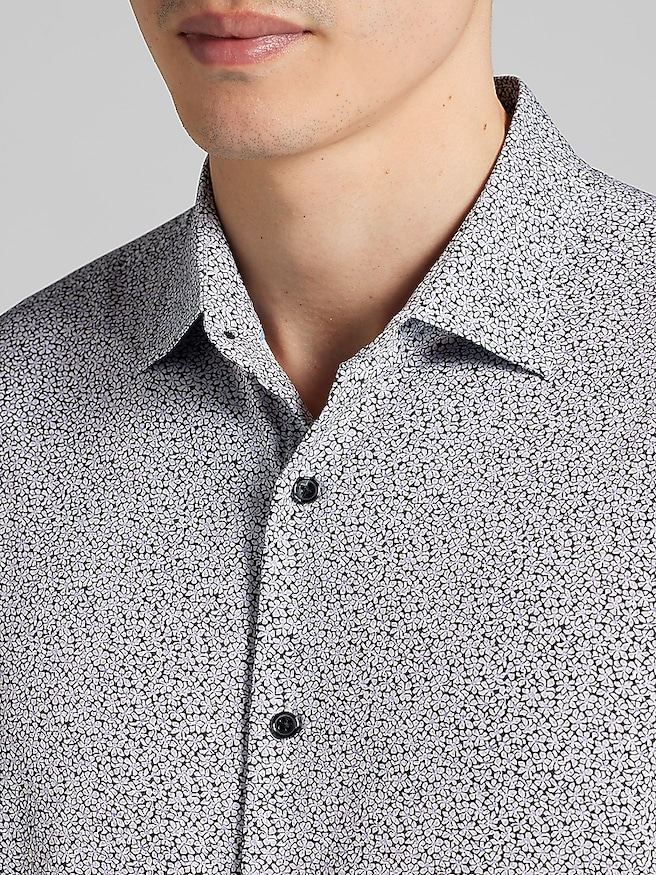
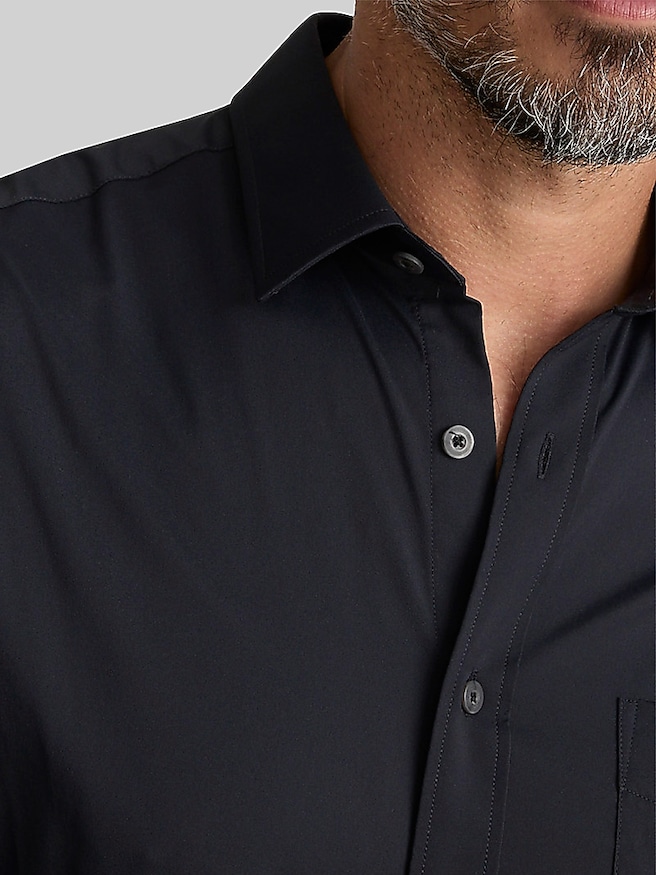
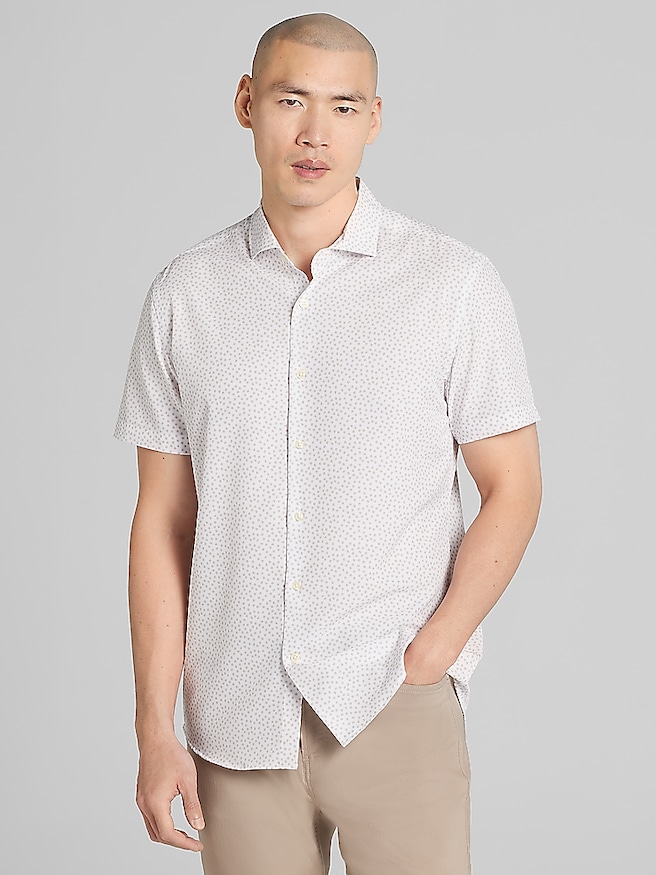
Business casual summer shirts combine lightweight fabric, a comfortable fit, and a neat collar for a polished appearance without the weight of more formal office clothing. Breathable cotton, linen blends, seersucker, and lightweight performance fabrics are useful choices, with the right balance depending on the workplace and how much of the day involves moving between indoor and outdoor spaces. A shirt that feels comfortable on a sunny walk to the office still needs to look composed across a conference table. Cotton offers a familiar, soft feel and can provide a smooth surface that works well beneath a jacket. Linen has a crisp, airy character with natural creasing, while cotton-linen blends bring some of that texture together with cotton’s softness. Neither fiber content nor a thin appearance tells the whole story: the weave, fabric weight, and finish also influence airflow, opacity, and how a shirt hangs. Seersucker’s puckered texture holds portions of the fabric away from the skin, making it a practical option for warm conditions in workplaces that welcome a more relaxed look. Performance fabrics may offer stretch, moisture management, or wrinkle resistance, but those qualities depend on the individual fabric and should be confirmed on its label. For a meeting-heavy day, a lightweight woven shirt with a collar that holds its shape can look sharp with tailored trousers and loafers. In a less formal office, a collared knit shirt can provide a softer silhouette while maintaining a finished appearance. Pale blue, white, muted green, and subtle stripes are versatile starting points; small checks add interest without taking over an outfit. Fabric transparency also matters, particularly with pale colors under bright office lighting. A lightweight shirt should feel airy without revealing more than intended. Across the broader range of Men's Summer Shirts, office-appropriate choices are distinguished less by a single fabric than by the combination of coverage, collar structure, restrained detailing, and a fit suited to the setting.
Fit makes a noticeable difference in how a business casual shirt feels through a full workday. Shoulder seams should generally sit near the edge of the shoulders, and the chest should allow comfortable movement without pulling the front placket open. Sitting at a desk, reaching for a laptop bag, and driving to an appointment all require room through the upper back and arms. A slim fit can create a clean outline, but it should not cling across the torso; a classic fit offers more ease without needing to look oversized. Stretch can help with movement, though it cannot compensate for a shirt that is too small. Sleeves should allow the elbows to bend freely, and long-sleeve cuffs should close comfortably at the wrist without swallowing the hand. Short sleeves work best when they follow the upper arm without squeezing or flaring widely, provided the office dress code permits them. Long sleeves remain a versatile choice for settings where expectations vary, and neatly rolled cuffs can feel more relaxed once a jacket comes off. Hem length deserves equal attention. Shirts intended to stay tucked need enough length to remain secure when sitting or reaching, while an untucked shirt should have proportions that look deliberate rather than unfinished. A shorter, balanced hem can pair well with chinos in a casual workplace, whereas a longer, curved shirttail usually looks cleaner tucked into trousers. Collar style helps set the tone: a button-down collar keeps its points in place, while a modest spread collar creates a clean frame at the neckline beneath an unstructured jacket. Wearing the neck open should leave the collar sitting naturally rather than collapsing outward. The most useful summer office shirts also accommodate changing temperatures. Lightweight fabric helps during a warm commute, while enough room beneath a cardigan or jacket makes an air-conditioned workspace more comfortable. That flexibility extends their usefulness into cooler months, especially for indoor workdays and travel to warmer destinations.
Care and construction help determine whether a lightweight business casual shirt remains a dependable part of the weekly rotation. Even stitching, neatly finished seams, securely attached buttons, and a smooth placket are worth attention because these areas face repeated movement and laundering. Lightweight does not have to mean fragile, but loosely woven fabrics can be more susceptible to snagging, and excessive heat can affect shrinkage, shape, or stretch recovery. The care label should guide washing, drying, and pressing rather than a single routine for every shirt. Some cotton shirts benefit from a light press for a crisp office finish; linen blends may look appropriate with a little natural texture rather than a perfectly flat surface. Wrinkle-resistant finishes can simplify upkeep, although they do not guarantee a crease-free shirt after a crowded commute or a long stretch in a suitcase. Promptly removing a shirt from the dryer when its care instructions allow tumble drying, smoothing the placket, and hanging it on a supportive hanger can reduce unnecessary wrinkles. For fabrics containing stretch fibers, following temperature recommendations is especially important. Addressing collar and cuff soil before it becomes deeply set, using suitable cleaning products, and avoiding overpacked wash loads can help maintain a tidy appearance. Practical care matters most when shirts move through several roles: a desk-based workday, an afternoon client visit, a business trip, or dinner after office hours. Subtle patterns can bring variety to that rotation, while solid colors make it easier to repeat trousers and jackets without making every outfit look identical. For a graduation gift or a first professional wardrobe, a breathable collared shirt can be useful when the recipient’s measurements, preferred fit, and workplace expectations are known. Someone who walks several blocks to work may prioritize airflow and easy care; someone who spends the day presenting may place more emphasis on collar shape and a smooth finish. The strongest choices bring those needs together, offering comfortable movement, appropriate coverage, and a composed look that lasts beyond the morning commute.