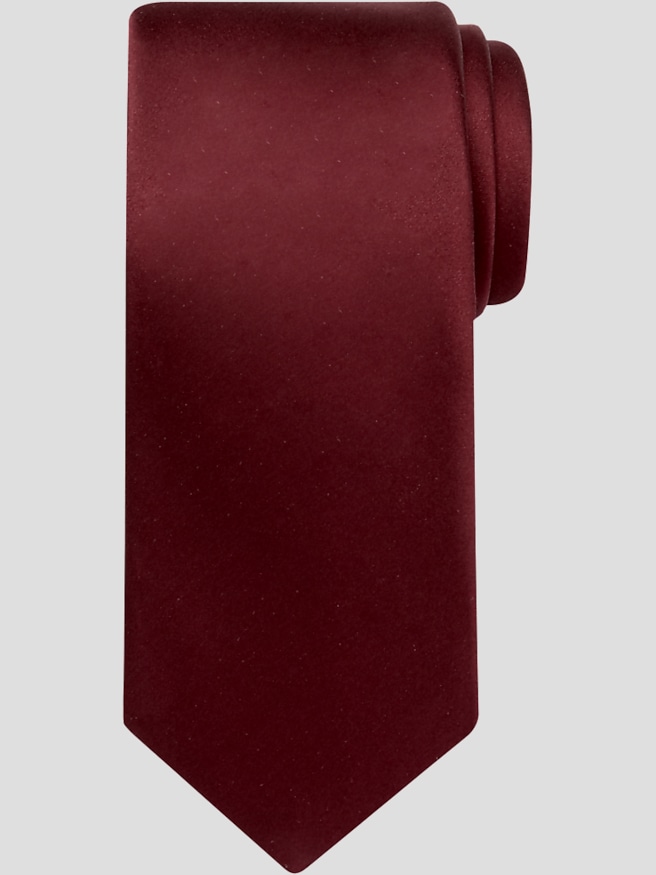
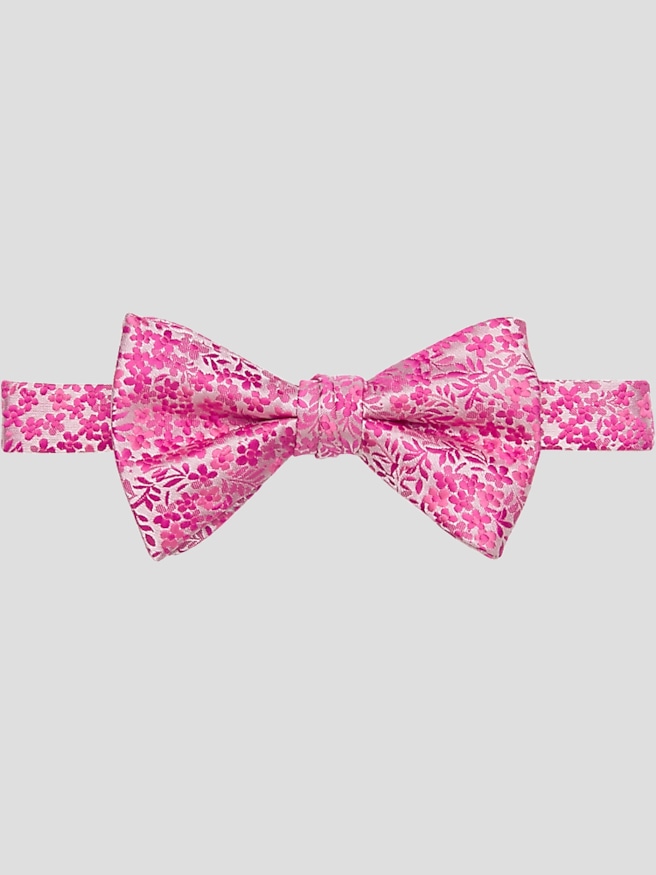
Burgundy silk pocket squares add a deep red accent to suit jackets, blazers, and tuxedo jackets, with a soft sheen that gives the breast pocket definition without overwhelming the rest of an outfit. Burgundy pairs especially well with navy, charcoal, and gray, making it a versatile choice for business attire, wedding looks, and dressed-up evenings. Against navy wool, the color feels rich and understated; against a light gray jacket, it creates a more noticeable contrast. A white shirt keeps the combination crisp, while a pale blue shirt introduces another quiet layer of color. The shade itself can vary from a red-forward wine tone to a darker burgundy with brown or purple undertones, so the overall effect depends on both the fabric and the surrounding clothing. Silk contributes more than shine. Its light weight and fluid drape allow a pocket square to form soft curves, rounded puffs, or pointed folds without the stiff appearance of heavier cloth. The weave also matters: satin-weave silk typically has a smooth, reflective face, while silk twill has a fine diagonal texture that can make the surface look more subdued. Printed designs introduce color across the surface, while woven patterns can add texture and a slightly different play of light. A solid burgundy square emphasizes the richness of the fabric; small dots, paisley, or geometric details add visual interest while keeping burgundy central to the look. Edge finishing is another detail worth noticing, since the border may remain visible above the pocket. A neatly finished hem helps the exposed edge look intentional, whether it is tucked into a straight line or allowed to follow the softer outline of a puff. Together, color, weave, pattern, and finishing determine whether the accessory reads as restrained, expressive, or somewhere comfortably between the two.
The strongest combinations usually coordinate a burgundy silk pocket square with the outfit rather than reproduce every detail of the tie. A navy tie with a small burgundy motif can connect naturally to a solid square, while a burgundy tie can sit comfortably beside a patterned square that includes cream, blue, or another supporting color. Exact matches are not necessary, and a little variation in texture or shade helps the individual pieces remain distinct. For a presentation or a client dinner, a charcoal suit, white shirt, dark tie, and narrow line of burgundy at the pocket create a composed finish. For a wedding guest outfit, a navy suit with a softly puffed silk square feels more relaxed without losing polish. A patterned sport coat often benefits from a quieter square, especially when the jacket already includes a windowpane or pronounced check. Conversely, a plain jacket leaves more room for paisley, dots, or a contrasting border. Pattern scale helps keep these combinations balanced: a broad jacket check and a fine pocket square pattern tend to remain more visually separate than two similarly sized designs. For another way to bring structure into the breast pocket, Checkered Silk Pocket Squares offer a geometric alternative to solid color or flowing motifs. The fold changes the impression, too. A straight fold shows a controlled band of fabric and works well when the rest of the outfit is tailored and restrained. A puff takes advantage of silk’s natural drape, creating a rounded shape that feels less rigid. Exposed points or a visible border bring more movement and contrast. With a tuxedo, burgundy makes a deliberate color statement; a white pocket square remains the more traditional choice when the dress code calls for a strictly classic black-tie appearance. The occasion and the desired level of formality matter more than following a single color formula.
Size and fabric weight influence how a burgundy silk pocket square sits inside a jacket, even though the accessory does not require the fitted sizing of a shirt or suit. A thin, small square may slip down into a deep breast pocket, while an oversized or heavier square can create a bulge in a narrow one. The useful balance is enough fabric to hold the chosen shape without pulling the pocket open or interrupting the line of the jacket. Silk’s smooth surface can shift with movement, so a loosely arranged puff may need an occasional adjustment after sitting, standing, or removing the jacket. A gentle fold preserves the fabric’s character better than forcing it into a tightly compressed shape. Care deserves the same attention as styling. Always follow the care label, since silk pocket squares can differ in dye, construction, and finishing. Washing, soaking, or rubbing a stain can cause color movement, water marks, or distortion on some silk fabrics. When professional cleaning is recommended, identifying the fabric and pointing out any marks helps the cleaner assess appropriate treatment. Fragrance, grooming products, and food spills can also leave marks, making it sensible to handle the square with clean, dry hands and keep it away from direct sprays. If pressing is permitted, use the label’s temperature guidance and a pressing cloth rather than applying high heat directly to the silk. Between wears, let the fabric rest, then store it flat or loosely folded in a clean, dry place away from prolonged direct sunlight. Careful handling helps protect the sheen, edges, and color over repeated use. As a gift, a burgundy silk pocket square suits someone who regularly wears tailored clothing or enjoys adding a personal detail to formal attire. It can mark a graduation, promotion, wedding, or anniversary without requiring exact clothing measurements. The most thoughtful choice reflects the recipient’s habits: a quiet solid for a restrained dresser, a subtle motif for someone who enjoys pattern, or a distinctive border for someone who likes a visible finishing touch.