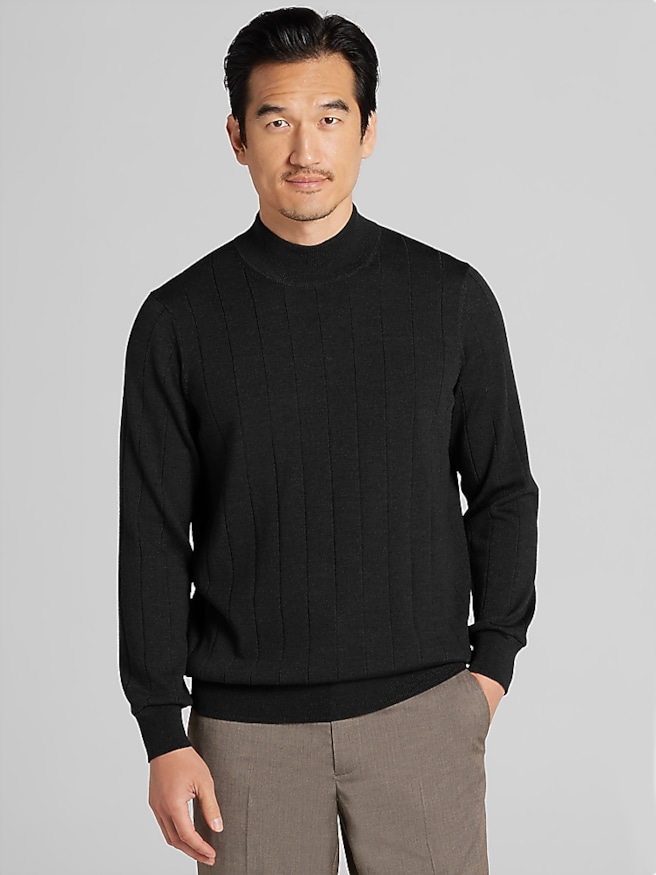
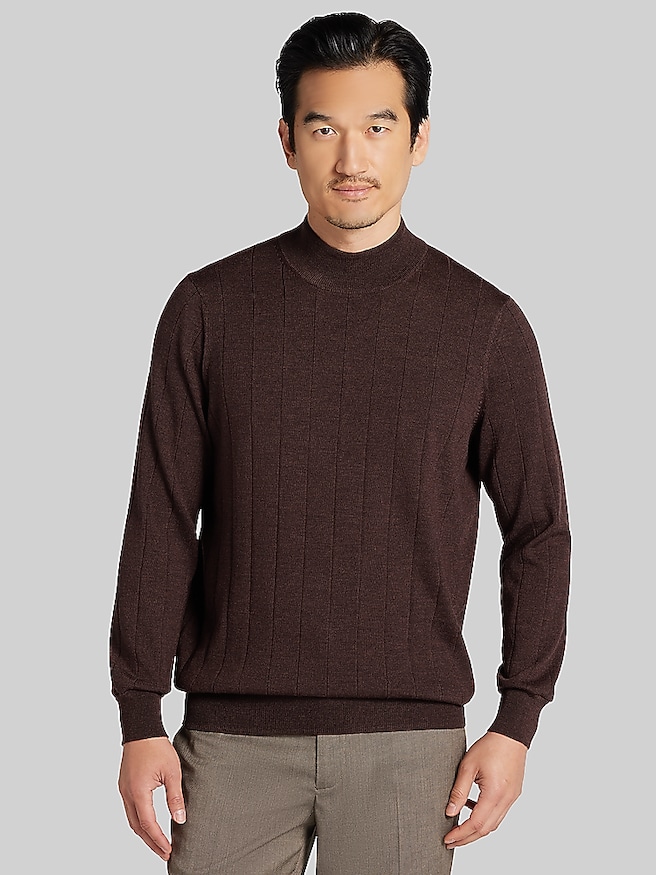
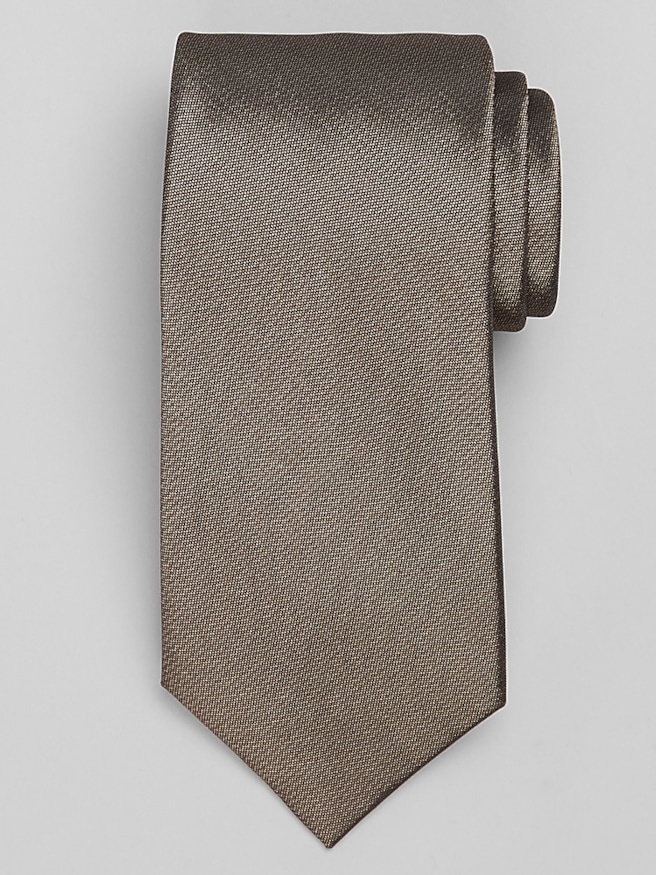
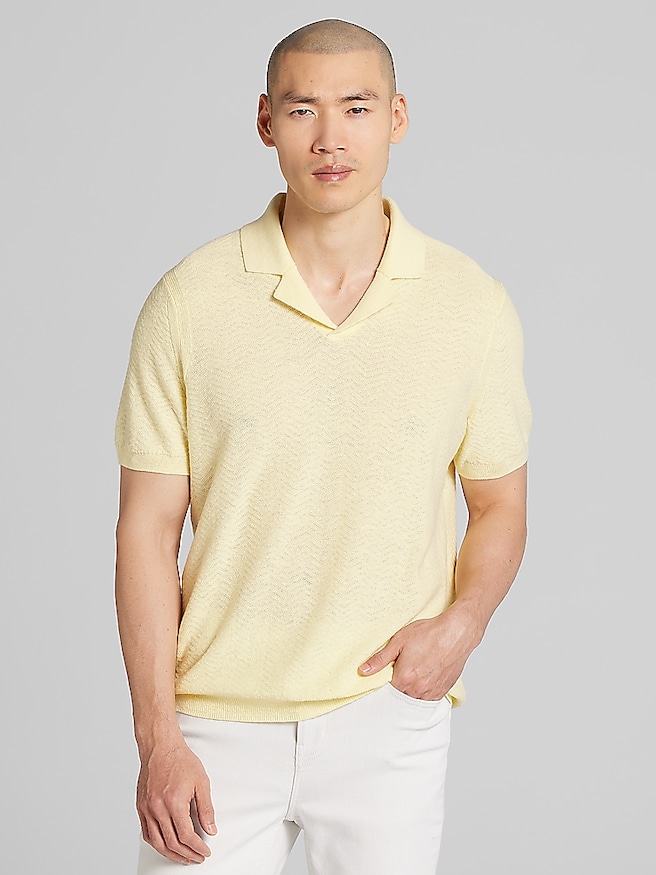
Brown sweaters bring depth to an everyday wardrobe without demanding a complete change in the way it is styled. The color can feel relaxed, refined, or somewhere between the two, depending on its shade, texture, and proportions. A deep chocolate knit has a quiet richness beside charcoal trousers, while a lighter camel or chestnut tone creates a softer contrast with dark denim. Browns with golden undertones work naturally with cream, olive, and navy; more muted, gray-leaning shades sit comfortably alongside black and slate. These combinations make brown knitwear useful for business-casual offices, dinners, travel days, and weekends when a T-shirt feels too casual but a jacket is unnecessary. A smooth crew neck over a crisp collared shirt gives the neckline structure without making the outfit feel formal. A V-neck leaves more room for the shirt collar and, when the setting calls for it, a tie. A cardigan offers an open-front option that can be worn over a simple tee or button-front shirt, while a mock neck or turtleneck creates a clean line beneath a sport coat. Texture changes the impression just as much as the neckline. Fine-gauge knitting produces a relatively smooth surface that layers neatly, whereas ribbing, cables, and more substantial stitches add dimension and give simple outfits a stronger focal point. With a textured brown sweater, uncomplicated trousers and understated footwear usually provide enough balance. With a smoother knit, a subtly patterned shirt can add interest without competing for attention. Brown also supports tonal dressing: a chestnut sweater with dark brown trousers can look intentional when the shades are distinct rather than nearly identical. Breaking that combination with a cream shirt or a clearly contrasting shoe keeps each element readable. The result is knitwear that can become a regular part of getting dressed, whether the preference is for polished separates, familiar denim, or a small wardrobe built around pieces that work together.
Material and construction shape how a brown sweater feels, drapes, and holds up to repeated wear. Cotton generally has a soft, familiar hand and works well for someone who prefers knitwear with less loft. Depending on the stitch and weight, it can look smooth and close-fitting or more substantial and relaxed. Wool has natural resilience, helping a knit recover its shape, though its feel against the skin varies with the fiber and finish. Merino wool often provides a finer texture, making it worth considering for close-to-the-body layers. Cashmere is valued for its softness and light feel, but it benefits from careful handling, especially where a bag strap or desk edge creates repeated friction. Blended yarns can combine qualities from several fibers, such as softness, stretch, or resistance to everyday wear; the fiber label provides a better picture than appearance alone. Knit density matters, too. A loosely knitted sweater may drape easily but can be more vulnerable to snagging, while a compact knit tends to create a more defined silhouette. Neither thickness nor softness by itself guarantees durability. Even stitches, tidy seams, and ribbing that recovers after a gentle stretch are useful signs of sound construction. Fit should leave room for the layers that will actually be worn underneath. For a shirt-and-sweater combination, the sleeves should allow comfortable movement without bunching heavily at the elbows, and the body should fall cleanly rather than pulling across the chest. On a conventional set-in sleeve, the shoulder seam generally sits near the shoulder edge; raglan and dropped-shoulder designs follow a different shape. A ribbed hem should rest comfortably without squeezing the waist or riding upward whenever the arms move. Under a sport coat, a finer knit and less excess fabric through the upper arms help keep the layers comfortable. Worn on its own, a slightly more relaxed shape can feel natural with jeans or casual trousers. The best proportion is one that looks settled while standing, sitting, and reaching, not just while remaining still.
Thoughtful care helps brown sweaters keep their shape and surface, particularly when they become frequent favorites. The care label should determine whether a garment is washed by hand, machine washed, or professionally cleaned, since similar-looking knits can have different requirements. For washable sweaters, an appropriate gentle detergent and the recommended water temperature help protect the fibers and color. Avoid twisting a wet knit to remove water; gentle pressing is less likely to distort the fabric. When flat drying is directed, reshape the sweater carefully, support the sleeves, and let it dry completely before folding. Hanging a heavy or damp knit can stretch the shoulders and lengthen the body, so folded storage is generally the safer choice. Space on the shelf also matters: tightly compressed stacks can leave pronounced creases, while rough drawer surfaces or exposed hardware may catch a loop of yarn. Occasional pilling is common with many knitted fibers and does not automatically mean a sweater is poorly made. A fabric comb or suitable sweater shaver, used carefully according to its instructions, can remove surface pills without pulling at the knit. Small snags deserve similar patience; cutting a loose loop can make the damage worse. For everyday use, smoother bag straps and mindful handling around watches, bracelets, and desk edges can reduce abrasion. When packing, fold the sweater around its natural lines rather than forcing it into a narrow space. Brown knitwear can also make a thoughtful gift for a partner, father, brother, friend, or colleague whose preferences are familiar. A known neckline, comfortable fiber, and reliable size are more useful starting points than choosing solely by color. Someone who regularly wears collared shirts may appreciate a knit that layers cleanly, while someone drawn to relaxed clothing may prefer a softer silhouette and visible texture. Finishing details can connect the sweater to the rest of the wardrobe: Brown Accessories can complement its undertones without requiring an exact match. A slightly darker belt or shoe often gives a lighter brown knit definition, while restrained accessories let a rich stitch pattern remain the focus. That balance keeps the outfit cohesive without looking overly coordinated.