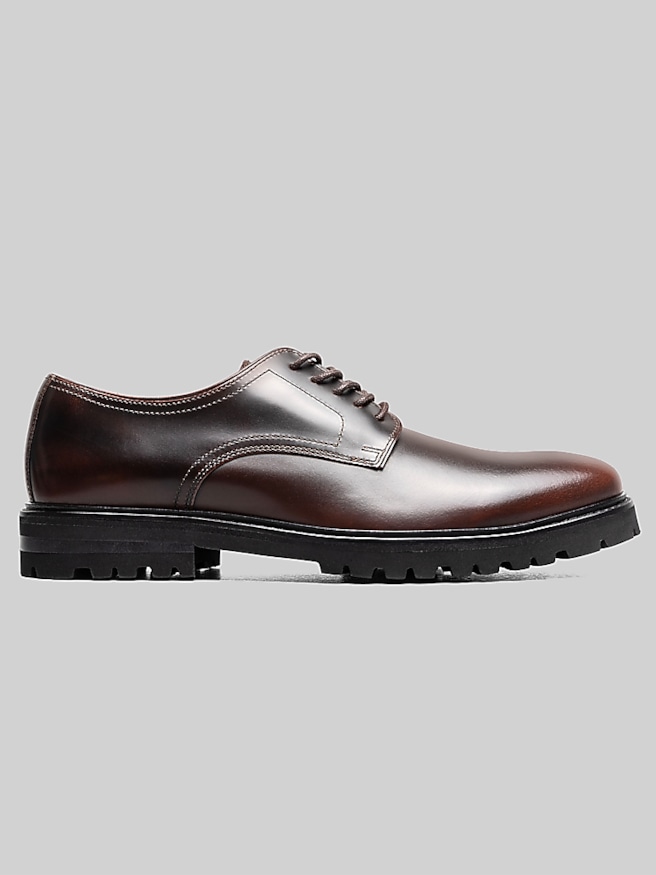
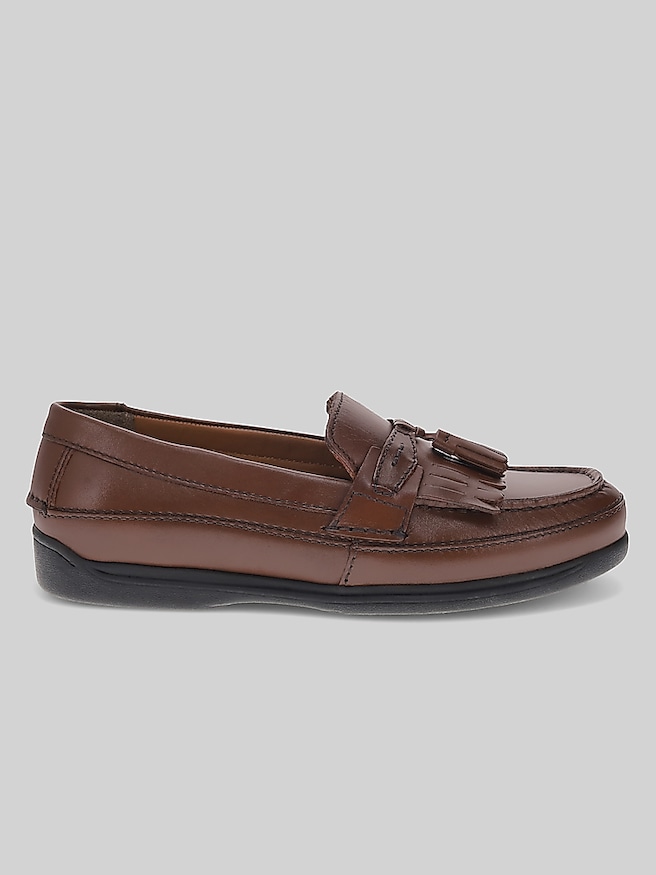
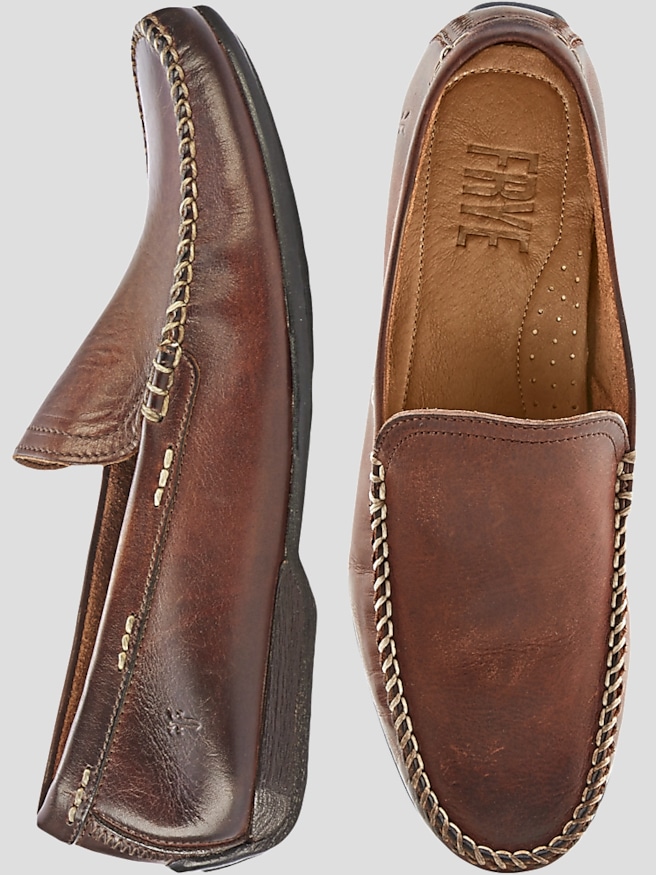
Brown accessories bring warmth and depth to a wardrobe, with shades ranging from light tan and golden cognac to chestnut, chocolate, and deep espresso. In men’s clothing, these earthy tones provide an alternative to black while working comfortably with navy, gray, cream, olive, and denim. A smooth brown leather belt can give tailored trousers a finished appearance, while a textured tie or pocket square introduces color without overpowering a jacket. The effect depends as much on the finish as the shade: polished leather looks sharper and more formal, suede has a softer character, and woven textures feel relaxed. Against a navy suit, medium brown accents create a clear contrast; with charcoal trousers, a deeper brown usually offers a quieter transition. Beige and cream clothing can support several brown tones together, especially when one shade anchors the outfit and the others add subtle variation. Matching every accessory exactly is not necessary, but keeping visible leather pieces reasonably close in color and formality makes an outfit feel cohesive. A cognac belt and similarly warm footwear can work together even when their finishes are not identical. By contrast, a heavily distressed belt may look out of place beside highly polished dress shoes. The same attention to proportion applies to hardware: a restrained buckle leaves room for a patterned tie, while a more noticeable buckle looks balanced with simpler clothing. For dressier combinations, Brown Evening Shoes can provide a useful color reference for coordinating the surrounding accessories. Brown generally suits business attire, cocktail dressing, weddings, and smart-casual outfits, although an event’s dress code should determine the final choice. Traditional black-tie attire typically calls for black formal footwear rather than brown. That distinction helps keep brown accessories in the settings where their warmth, texture, and versatility make the strongest impression, from a client meeting to a dinner reservation.
Materials influence how brown accessories look, feel, and hold up with regular use. Leather can develop creases and tonal variation over time, giving frequently handled pieces an individual character. Full-grain leather retains the hide’s natural surface, while top-grain leather has been refined for a more uniform appearance; neither label alone tells the whole story about construction or longevity. The quality of the stitching, lining, edge finishing, and hardware also matters. On a belt, neatly finished edges and a secure buckle attachment contribute to a clean appearance and dependable performance. On a wallet or bag, reinforced stress points and smoothly operating closures can make daily handling more comfortable. Suede offers a soft, matte surface that pairs naturally with textured tailoring and casual clothing, though its raised nap needs different care from smooth leather. Textile accessories bring another set of qualities: silk can offer a smooth surface and fluid drape, wool adds a more substantial texture, and cotton or linen can create a less glossy finish. A brown tie with a small geometric pattern reads differently from a solid chocolate tie, even when the colors are close. Fit and scale are just as important as fabric. A dress belt should pass comfortably through the trouser loops, fasten without pulling, and leave a modest length beyond the buckle. Wider, heavier belts generally complement casual trousers better than slim, tailored waistbands. Tie width looks most balanced when it relates to the jacket’s lapels, and the finished knot should sit comfortably inside the shirt collar. A pocket square needs enough body to hold its fold without making the breast pocket bulge. For accessories carried throughout the day, practical dimensions matter too: a slim wallet can sit more discreetly in a tailored pocket, while a bag’s strap should feel comfortable at its intended carrying length. These details help distinguish an accessory that simply looks appealing from one that fits naturally into a daily routine.
Brown accessories are especially useful for wardrobes that move between professional and relaxed settings. Someone who wears navy or gray tailoring to the office may get frequent use from understated dark brown leather, while someone whose routine centers on chinos, denim, and unstructured jackets may prefer cognac tones, suede, or woven finishes. A presentation calls for accessories that support the clothing rather than draw attention away from the speaker; a dinner or celebration leaves more room for a distinctive texture or richer shade. For wedding guests and members of a wedding party, coordinated brown accents can connect individual outfits without requiring every detail to be identical, provided the choices suit the requested dress code. Brown accessories can also make thoughtful gifts when the recipient’s habits and existing wardrobe are considered. A familiar color, practical proportions, and understated hardware are often easier to wear regularly than a dramatic design chosen without that context. Belts require a reliable size reference, and accessories with a particular fit benefit from knowing how the recipient prefers to wear them. Long-term appearance depends on care as well as construction. Smooth leather generally benefits from having surface dust removed with a soft cloth, followed by a suitable conditioner when recommended by the manufacturer. Too much conditioner can alter the finish, so testing a small, inconspicuous area is sensible. Suede typically needs a dedicated brush used gently to lift the nap and remove loose dirt. Leather should dry naturally away from direct heat if it becomes damp, and tightly folded storage can leave unwanted creases. Textile accessories should be treated according to their care labels, especially when delicate fibers, linings, or structured construction are involved. Giving bags room to hold their shape, allowing belts to rest without sharp bends, and keeping pocket contents from overstretching a wallet all support a neater appearance. With considered color, comfortable proportions, and appropriate care, brown accessories can become dependable finishing touches rather than occasional additions.