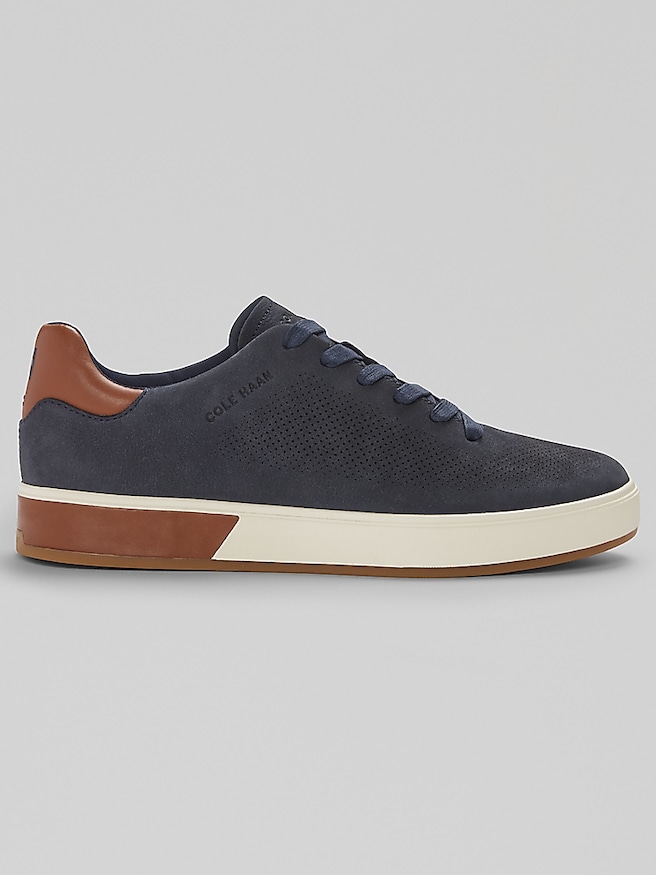
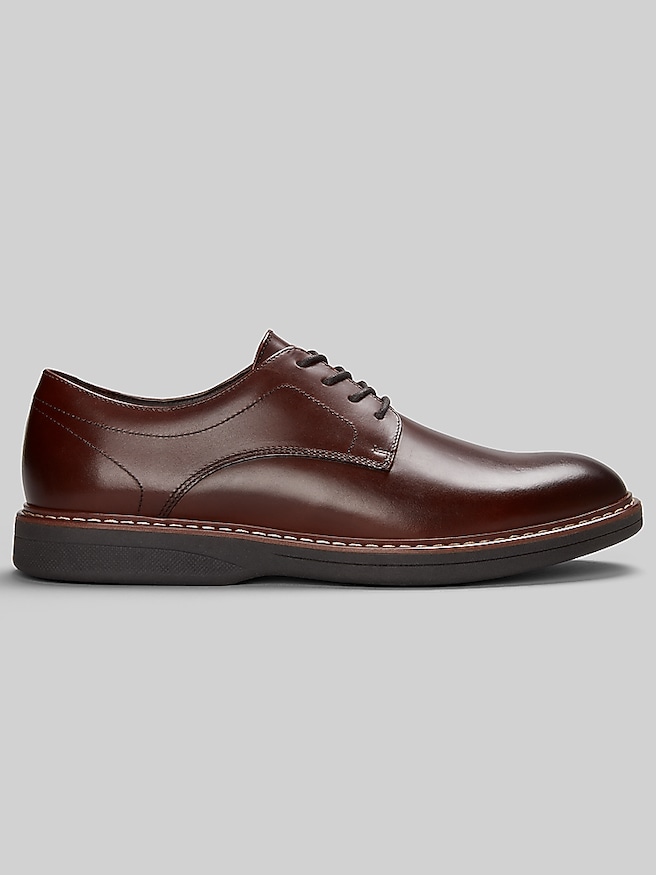
Brown leather sneakers combine the easy shape of casual footwear with the texture and depth of leather, making them a versatile alternative to white or black sneakers. Their warm color works naturally with blue denim, olive chinos, gray trousers, and navy separates, while the leather upper can give a simple outfit a more finished appearance. Shades matter: light tan creates a noticeable contrast against dark pants, cognac brings a richer reddish tone, and deep chocolate offers a quieter look that sits comfortably alongside tailored clothing. A smooth, low-profile sneaker tends to look more refined than a bulky athletic shape, especially when it has understated stitching, discreet branding, and a sole that stays close to the outline of the upper. White or cream soles add contrast and keep the effect casual; brown, gum-colored, or dark soles create a more continuous line. For an everyday combination, medium-wash jeans, a solid T-shirt, and an unstructured jacket let the leather provide texture without making the outfit feel dressed up. With chinos and a tucked-in Oxford shirt, the same general style can suit a business-casual office where sneakers are permitted. The streamlined look associated with Brown Dress Sneakers also complements relaxed tailoring, although traditional dress shoes remain the better choice when an invitation or workplace calls for formal footwear. Pant length helps bring the proportions together: a clean hem with little fabric gathering above the shoe keeps a low-top silhouette visible. Socks can blend with the trousers for a subtle finish or introduce a small amount of pattern without competing with the leather. A brown belt in a similar color family creates continuity, but an exact shade match is not essential for a casual outfit. The overall effect is approachable rather than ceremonial, appropriate for dinner reservations, gallery visits, casual celebrations, and days that move between a desk and plans afterward.
Materials and construction shape how brown leather sneakers look, feel, and develop with wear. Full-grain leather retains its natural surface character, so variations in grain and small markings can be part of its appearance. Top-grain leather has a refined surface that often looks more uniform, while suede brings a soft, brushed texture and nubuck has a fine, velvety nap. Smooth leather generally lends itself to a polished casual look; textured panels and suede overlays give a sneaker more visual depth and a sportier character. These finishes also need different care, so the material description matters as much as the color. Inside the shoe, lining, footbed shape, cushioning, and seam placement all influence comfort. A padded collar may soften contact around the ankle, while a removable insole can be useful for someone who uses an insert, provided the shoe has enough interior space to accommodate it. Fit should feel secure at the heel and through the midfoot without pinching across the widest part of the foot. Toes need room to move, and the upper should not press hard against them when walking. Leather can soften with use, but a painful or cramped fit is not something to rely on wear to correct. Trying shoes with the socks intended for everyday use gives a more realistic sense of volume, and checking both feet helps account for small size differences. A familiar size is a starting point rather than a guarantee because toe shape, width, and interior depth vary among designs. Sole construction deserves attention as well: a flexible rubber outsole can suit routine walking, while tread pattern affects grip on particular surfaces. A sleek leather sneaker is primarily casual footwear, not a substitute for a running shoe or task-specific work shoe. Even stitching, neatly finished edges, and a secure bond between upper and sole are useful details to examine, though long-term durability also depends on fit, frequency of wear, and maintenance.
Regular care helps brown leather sneakers keep the balance of relaxed comfort and tidy appearance that makes them useful across so many outfits. For smooth finished leather, loose dirt is best removed with a soft brush or dry cloth before wiping the surface with a lightly damp cloth, following the maker’s care directions. A leather cleaner suited to the finish can address buildup, and an appropriate conditioner may help maintain suppleness when the material needs it. Any treatment should be tested on a hidden area first because brown leather can darken or change character after application. Suede and nubuck call for tools and treatments made for their textured surfaces rather than the creams used on smooth leather. Cleaning the sole edges separately keeps pale rubber from looking dingy without spreading residue onto the upper. Shoes that become damp should dry naturally away from direct heat; breathable storage and time between wears also help the interiors dry. Using a shoehorn can limit unnecessary crushing at the heel, and untying the laces before removing the shoes reduces strain on the collar. Some creasing across the forefoot is normal where leather bends, and a gradual change in color can add character rather than signal a problem. Deep cracking, a separating sole, or a worn-through heel lining deserves closer attention. For someone building a compact wardrobe, a versatile brown shade and restrained silhouette can cover everyday errands, casual office hours, and meals out without requiring a completely different outfit for each setting. Brown leather sneakers can also make a thoughtful birthday or graduation gift for someone who favors chinos, jeans, and simple layers. Knowing the recipient’s usual shoe size, preferred width, and taste in sole color makes the choice more personal. The strongest match is a pair whose shape, feel, and finish fit the way that person actually dresses and spends the day.