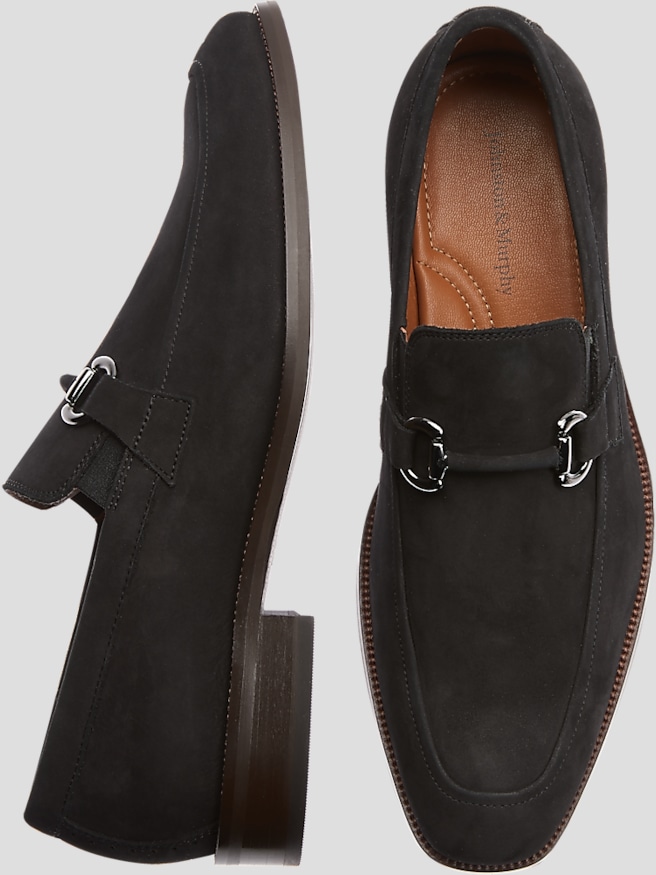
Brown lace-up loafers combine the relaxed profile associated with loafers and the adjustable fastening of lace-up shoes, making them a versatile choice for outfits that sit between casual and dressy. Traditional loafers are slip-ons, so the lace-up description generally points to a hybrid design rather than a classic penny or tassel loafer. The appeal is practical: a low-cut shape keeps the shoe visually understated, while functional laces let the wearer adjust how closely the upper sits across the foot. Brown adds depth without the sharper contrast of black, with shades ranging from golden tan and medium brown to rich chocolate. A smooth, darker finish generally looks more polished beside tailored trousers; lighter shades, visible stitching, and textured surfaces tend to feel more relaxed. For an office outfit, medium-brown shoes work naturally with navy trousers, a light blue shirt, and a belt in a similar brown tone. The belt does not need to match every variation in the leather, but keeping the colors close creates a cohesive result. With dark denim or chinos, an apron-toe seam or a slightly fuller toe shape can echo the more casual character of the clothing. An almond-shaped toe and a restrained sole profile offer a cleaner line beneath slimmer trouser hems. Proportion matters as much as color: a substantial sole can balance straight-leg pants, while a sleek shoe may look more at home with a gently tapered leg. Brown lace-up loafers can suit a workday, a dinner reservation, or a gathering where a jacket is appropriate but highly formal footwear is unnecessary. For a wedding, the venue and dress code should guide the choice; a polished brown hybrid can complement some daytime tailored outfits, but it is not a substitute for footwear specified by a black-tie dress code. The strongest combinations make the shoes feel connected to the outfit rather than added as an afterthought.
Materials and construction shape how brown lace-up loafers look, flex, and feel over hours of wear. Smooth leather offers a defined surface that can be cleaned and polished, while suede brings a softer, matte texture that pairs comfortably with less structured clothing. Leather may gradually conform to the foot, though it should never be expected to correct a shoe that is too short or too narrow. Synthetic uppers vary in flexibility, breathability, and maintenance requirements, so the material description matters more than appearance alone. For a closer focus on leather uppers, Leather Lace Up Loafers brings that material into consideration alongside shape and fastening. The lining also deserves attention because it is the surface in contact with the foot or sock. A smooth interior, neatly finished seams, and padding placed where it is needed can make a noticeable difference during a commute or a long stretch at a desk. Underfoot, cushioning and support serve separate purposes: a soft footbed may ease initial contact, while a stable heel and supportive shape help the shoe feel secure. Rubber and other synthetic outsoles can provide flexibility and traction, depending on their composition and tread; leather soles often create a more traditional dress-shoe profile. Neither material alone guarantees comfort or grip on every surface. Fit should be assessed with the socks intended for regular wear and with both shoes fully laced. Toes need room to lie naturally without pressing into the front, the widest part of the foot should align with the widest part of the shoe, and the heel should remain reasonably secure while walking. Laces can refine the fit across the instep, but they cannot compensate for the wrong length or width. A few steps, a turn, and a brief pause while standing can reveal pressure that goes unnoticed when seated. For someone who walks between meetings or spends part of the day on their feet, that real-world fit matters more than an especially soft first impression.
Lasting appearance depends on both construction and routine care. Even stitching, securely attached soles, and reinforced eyelets are useful details to examine, particularly when the shoes will be worn frequently. Visible stitching alone does not establish whether a sole can be replaced; repair options depend on how the shoe is assembled. Brown finishes can also develop character with use, and gentle creasing across the forefoot is normal as the upper bends with each step. Keeping that leather supple requires suitable care rather than heavy applications of product. For smooth leather, remove surface dust with a soft brush or cloth, then follow the maker’s directions for cleaning and conditioning. A compatible brown shoe cream can help refresh color, but testing it on an inconspicuous area first is important because some formulas darken the finish. Suede needs a suede-appropriate brush and cleaner instead of ordinary leather polish. Synthetic materials should be cleaned according to their own care instructions rather than treated automatically with leather conditioner. Allow shoes to air out between wears, away from direct heat, and use appropriately sized shoe trees when suitable for the construction. A shoehorn helps protect the heel from being crushed, while loosening the laces before taking the shoes off reduces unnecessary strain on the opening. Replacing frayed laces and addressing a worn heel early can keep an otherwise sound pair looking tidy. These habits are especially useful for footwear that moves regularly from office floors to restaurants and everyday errands. As a gift, brown lace-up loafers can be a thoughtful choice for someone building a work wardrobe, starting a new role, or refining a familiar combination of chinos and button-down shirts. Knowing the recipient’s size, width, preferred toe shape, and usual level of dress is more useful than choosing by color alone. Whether selected for daily wear or occasional plans, the most useful pair brings together an appropriate finish, comfortable proportions, and care requirements that fit naturally into the wearer’s routine.