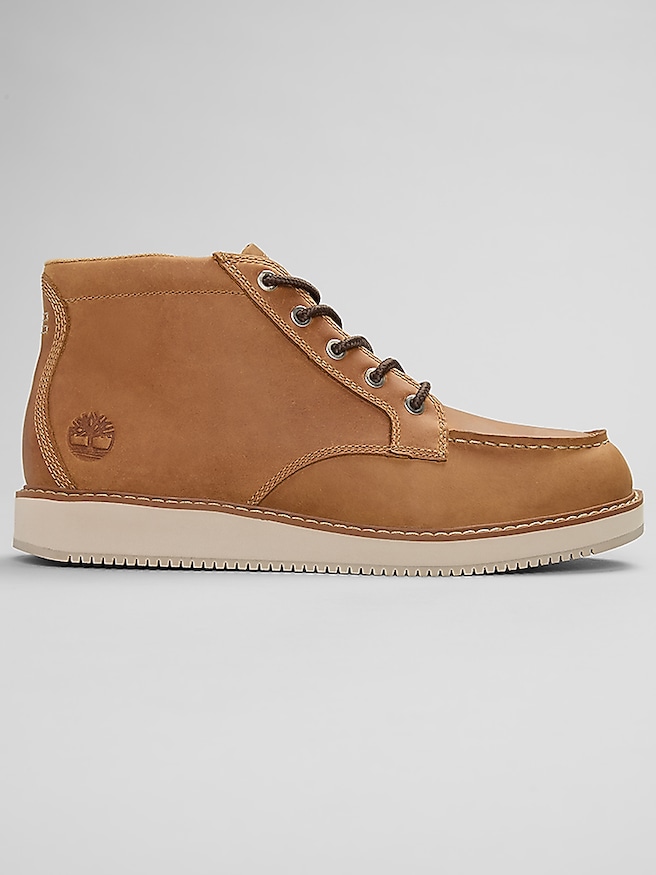
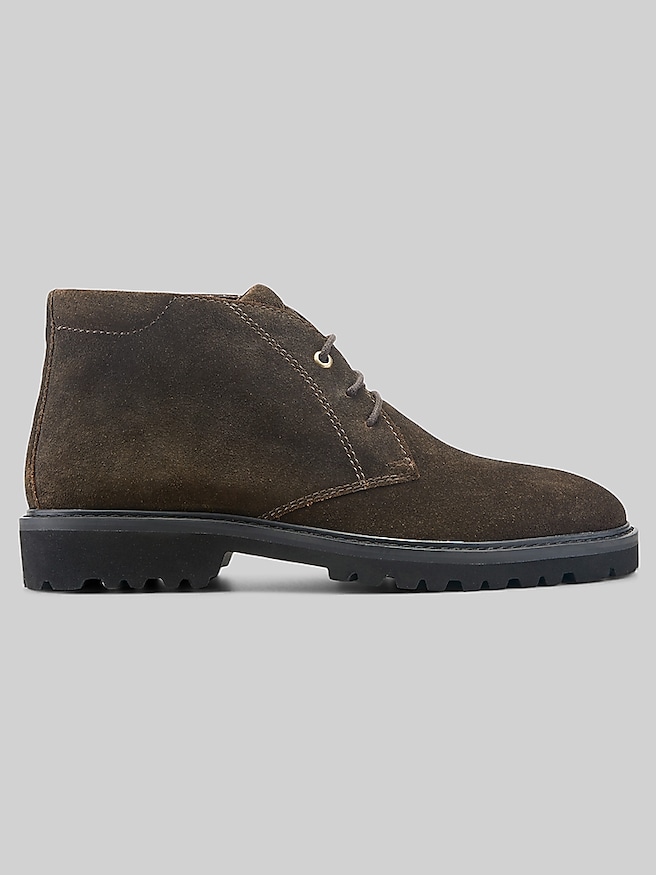
Brown chukka boots for men are ankle-high lace-up boots recognized by their simple shape, open lacing, and typically two or three pairs of eyelets. Their appeal comes from that restraint: fewer seams and a compact profile make them easy to wear with tailored trousers, chinos, or jeans without the heavier appearance of a tall boot. Brown adds another layer of flexibility, with shades ranging from light tobacco and chestnut to deep chocolate. A darker brown with a smooth finish generally looks dressier, while a lighter shade or a visibly textured surface brings a more relaxed character. Neither color nor material tells the whole story, though. A sleek toe, close-fitting heel, and relatively thin sole can make a chukka look refined; a broad toe and substantial tread give it a more casual presence. For an office that welcomes business-casual clothing, dark brown leather chukkas can complement charcoal trousers, a light blue button-down shirt, and an unstructured jacket. With straight-leg denim and an Oxford shirt, the same general silhouette feels comfortable for dinner or a casual gathering. Brown also works naturally alongside navy, olive, gray, and cream, giving these boots a useful place in a wardrobe built around familiar neutrals. Trouser length matters as much as color: a hem that rests lightly near the top of the boot keeps the ankle area neat, while excessive fabric can bunch over the laces and hide the shape. Slim trousers need enough room at the opening to fall cleanly around the boot rather than catching on its collar. A brown belt can bring the outfit together without matching the leather shade exactly. For weddings or other dressed-up occasions, chukkas are most appropriate when the stated dress code allows a relaxed approach; traditional dress shoes remain the clearer choice for formal attire. The result is footwear suited to everyday settings where sneakers feel too casual but a polished dress shoe feels more structured than necessary.
Material and construction shape how brown chukka boots look, feel, and hold up to repeated wear. Smooth leather offers a relatively clean surface that can often be maintained with a suitable conditioner and polish, depending on the finish. It may develop creases and subtle color variation as it bends, creating character rather than staying perfectly uniform. Full-grain leather retains the hide’s natural surface, while other leather finishes may be treated for a more consistent appearance; the label alone does not establish the quality of the complete boot. Leather thickness, lining, stitching, and sole attachment all contribute to how a pair performs. For a softer, more textured appearance, brown suede chukka boots for men bring a low-sheen finish that pairs particularly well with denim, cotton twill, and subtly textured trousers. Suede has a raised nap that changes slightly as the fibers move, adding depth to a brown shade without decorative details. It also calls for different care than smooth leather, making material preference a practical consideration as well as a visual one. Underfoot, rubber soles can provide cushioning and grip, although traction depends on the tread pattern, compound, and walking surface. Crepe soles have a soft feel and a distinctly casual look, while leather soles tend to create a slimmer profile and a firmer sensation. A thick outsole is not automatically more comfortable, just as a thin one is not automatically more refined; proportions and flexibility matter. Interior details deserve attention, too. A smooth lining can reduce friction around the heel, and a cushioned footbed may help during a day spent moving between a desk, meetings, and errands. Some stitched constructions can support eventual resoling, but that possibility depends on the boot’s design and should be confirmed rather than assumed. Even stitching, secure eyelets, and neatly finished edges offer useful clues about workmanship, while the best choice remains one that suits the wearer’s routine.
Fit is especially important with chukkas because their short lacing section offers less adjustment than a taller lace-up boot. The heel should feel secure without being pinched, the ball of the foot should sit near the boot’s natural flex point, and the toes should have room to move without pressing against the front or sides. Trying boots with the socks intended for everyday wear gives a more useful sense of fit than relying on size alone. Different toe shapes and interior volumes can make two pairs in the same marked size feel noticeably unlike each other. Walk several steps, turn, and pay attention to pressure across the instep and rubbing at the collar. Some leather will soften with use, but persistent squeezing, toe contact, or pronounced heel movement should not be dismissed as something a break-in period will necessarily fix. For someone who spends long stretches standing, cushioning and support may matter more than a particularly slender silhouette. For frequent travel, a balanced sole and a shape that works with several outfits can make brown chukkas a practical choice. Consistent care helps preserve that usefulness. Remove surface dust before applying any treatment, and follow the care directions for the particular material and finish. Smooth leather may benefit from occasional conditioning and an appropriate polish, tested first in a discreet spot. Suede generally needs a dedicated brush to lift the nap; leather cream and conventional polish can alter its texture and appearance. Let boots dry naturally if they become damp, away from direct heat, and use shoe trees to help maintain their shape between wears. Rotating footwear gives the interior time to air out, while checking heels and soles for uneven wear can help identify repairs before damage spreads. Brown chukka boots can also make a thoughtful gift for a graduate, a partner, or someone building a business-casual wardrobe. Knowing the recipient’s usual size, width, preferred leather texture, and everyday dress habits makes that choice more personal and more likely to become part of a regular rotation.