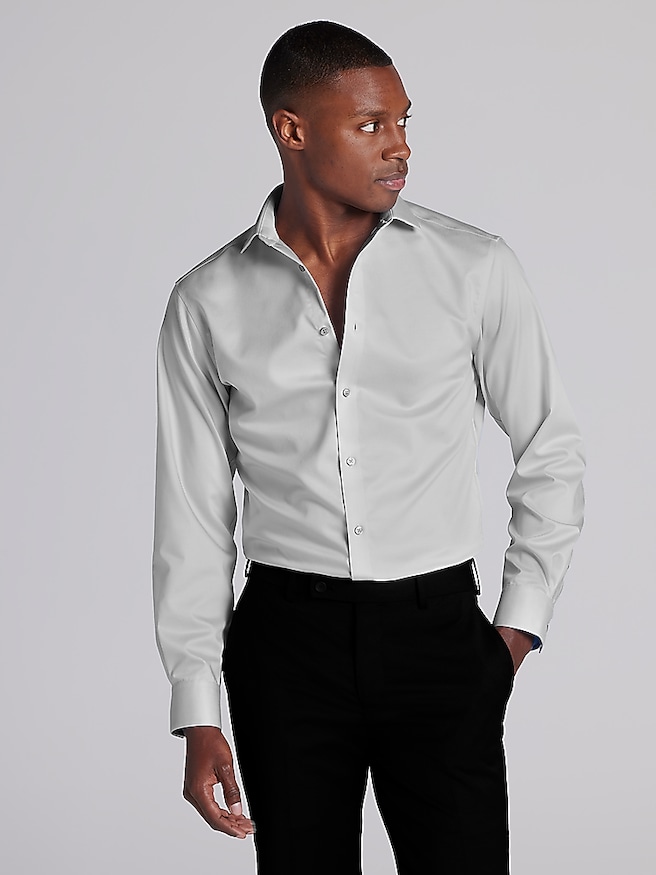
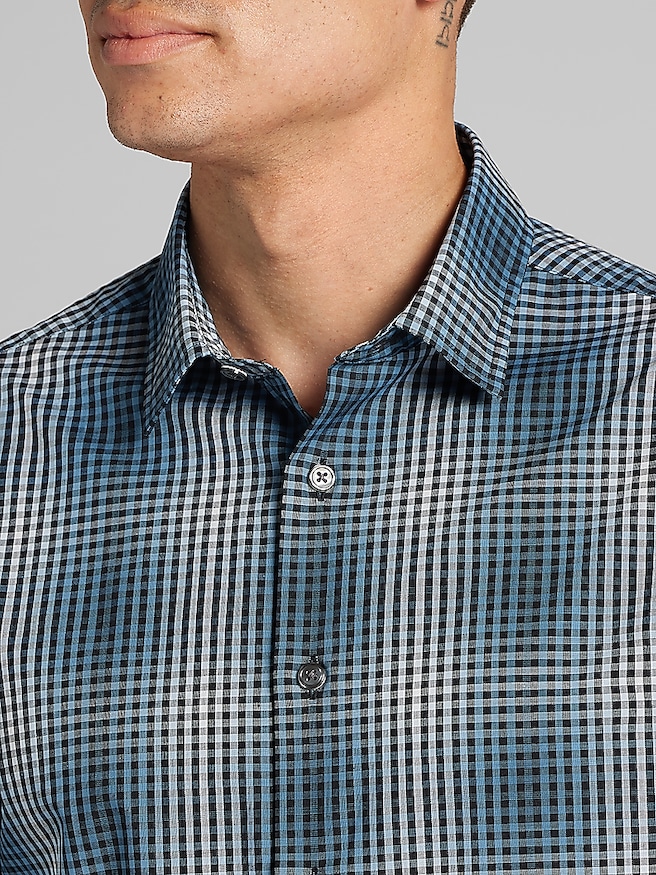
Breathable fabric shirts let air move through the material, helping reduce the close, damp feeling that can develop during a busy day. The strongest clues to breathability are fiber content, fabric weight, and construction rather than any one material name. Linen and lightweight cotton are dependable choices for everyday shirts, while engineered polyester and nylon can suit more active use when their construction supports airflow and moisture management. Linen is commonly woven into fabrics with an airy structure and a slightly textured surface; the resulting shirt often has an easy drape and dries more readily than a comparable heavier cotton fabric. Its natural creasing is part of its character, particularly in relaxed button-front styles. Cotton offers softness against the skin and a familiar look that works across casual and dressier settings. Lightweight cotton poplin and open knits can feel less substantial than dense, heavy fabrics, though the weave and finish still matter. Cotton absorbs moisture and may hold it longer than quick-drying technical fabrics, so a soft hand does not automatically mean strong moisture-wicking performance. Long-staple cotton, including Pima and Egyptian varieties, can produce smooth, strong yarns, but those names alone do not establish how freely air passes through a finished shirt. Merino wool is another option in lightweight knits, combining moisture absorption with natural odor resistance and a softer feel than many people associate with wool. Performance polyester and nylon take a different approach: mesh panels, open-knit structures, and moisture-managing finishes can help perspiration spread and evaporate. A dense synthetic shirt, however, is not necessarily breathable simply because it is labeled for performance. Blends balance these qualities in various ways, pairing cotton’s familiar touch with easier care or adding a small amount of stretch for movement. In any fabric family, airflow, moisture wicking, and drying speed are related but separate characteristics, and each contributes to how a shirt feels through extended wear.
The everyday appeal of Breathable Shirts For Men comes from pairing airflow with a cut that suits the occasion. A comfortable fit leaves enough room across the chest, shoulders, and upper back for reaching, sitting, and walking without pulling the fabric taut. Even an airy weave can feel restrictive when the sleeves grip the upper arms or the button placket strains across the torso. Slim fits can offer a clean outline without excessive cling, while classic and relaxed cuts provide more room through the body. Stretch can make movement easier, but it does not replace appropriate sizing or guarantee greater airflow. Shoulder seams that sit near the natural shoulder line and armholes that allow easy movement help a shirt remain comfortable through a commute, a meeting, and dinner afterward. Collar and cuff proportions also affect the experience: a dress shirt should accommodate the neck comfortably when buttoned, and cuffs should allow normal wrist movement. For office dressing, a lightweight woven shirt offers a neat foundation beneath a jacket, especially when the undershirt and jacket lining are also relatively light. An opaque fabric can provide coverage without requiring an additional layer, although lighter colors and more open weaves may need closer attention to transparency. For casual plans, a softly structured button-down or breathable knit pairs naturally with chinos or jeans. Longer shirttails tend to stay tucked more securely, while shorter, balanced hems can create a tidy untucked look. Fabric texture influences the overall impression as well: smooth poplin reads crisp, linen brings visible character, and a fine knit gives a softer outline. Someone who spends much of the day seated may appreciate a little extra room at the waist; someone frequently reaching or carrying a bag may notice shoulder mobility first. These practical details make breathable shirts relevant beyond exercise, including office routines, travel, celebrations, and everyday outings where comfort matters as much as a finished appearance.
Care and construction help determine whether a breathable shirt remains a regular part of the wardrobe. Lightweight does not have to mean fragile, but very fine fabrics benefit from handling that protects their yarns and shape. Even stitching, securely attached buttons, and neatly finished seams are useful signs of careful construction, particularly around cuffs, collars, and underarms where friction is common. Repeated rubbing from bag straps or rough outer layers can gradually wear delicate surfaces, while an overly tight fit places unnecessary stress on seams. Care requirements vary by fiber, blend, and finish, making the garment’s care label more useful than a blanket rule for every breathable material. Cotton and linen may need reshaping after washing, and excessive dryer heat can encourage shrinkage or make wrinkles harder to smooth. Removing a shirt promptly and arranging the collar, placket, and cuffs before drying can help preserve its proportions. Linen can be worn with its characteristic creases or pressed for a sharper finish, depending on the setting. Lightweight merino often calls for gentle washing and careful drying to maintain its shape, while technical fabrics may require avoiding fabric softener when it could interfere with moisture management. Complete drying before storage helps keep shirts fresh, and crowded hangers can leave wrinkles that undermine an otherwise polished look. For frequent travel, drying time and wrinkle behavior may matter as much as softness; for a long workday, comfortable seams and a collar that sits properly may carry more weight. Breathable shirts can also make thoughtful gifts for a partner, father, brother, or friend whose routine involves commuting, business-casual dressing, or frequent trips. Familiar sizing, preferred sleeve length, and willingness to iron are more useful clues than choosing a fabric by reputation alone. A recipient who favors crisp dress shirts may appreciate a smooth, lightweight weave, while someone drawn to relaxed clothing may prefer linen’s texture or the give of a soft knit. The most useful choice brings together breathable construction, comfortable proportions, and care requirements that fit naturally into daily life.