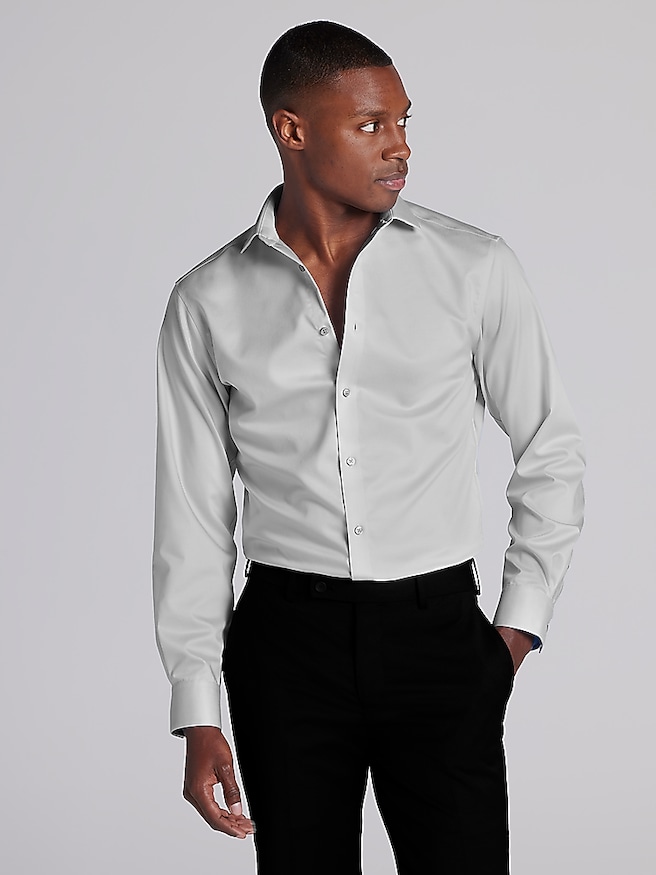
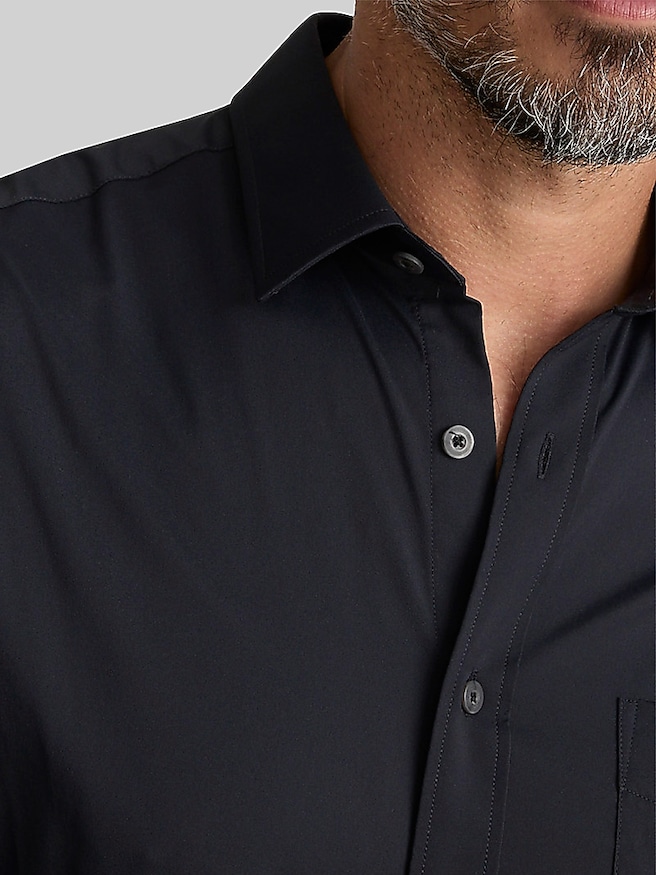
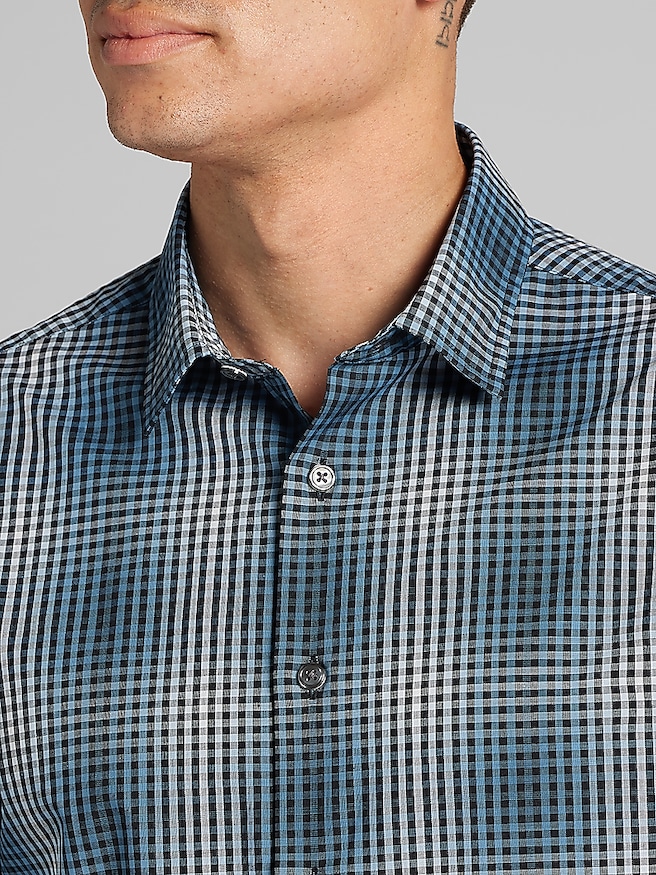
Branded shirts combine everyday function with a recognizable design identity, whether that identity appears in a small embroidered emblem, a printed graphic, or distinctive details at the collar and placket. The term can describe shirts bearing a maker’s name or logo, as well as apparel decorated to represent a business, team, or organization. For a personal wardrobe, the important distinction is how the shirt looks, feels, and fits into daily life—not simply how prominently the name appears. A discreet chest emblem can sit comfortably beneath a sport coat, while a larger graphic creates a more casual focal point with jeans. Branded polo shirts bridge those approaches, pairing a structured collar with the ease of a knit. Button-front styles offer another route, with details such as collar shape, button placement, and fabric texture contributing to their character. Someone heading from a client meeting to dinner may prefer understated branding and a clean silhouette; someone dressing for a casual gathering may want a more expressive design. Color matters just as much as the logo. Solid neutrals make it easy to repeat a shirt across several outfits, while stripes, checks, and richer colors introduce variety without requiring elaborate styling. Think about where the design will sit when the shirt is worn: a chest mark may disappear under a jacket, and a large front graphic can be interrupted by an open overshirt. Those small relationships affect how intentional an outfit feels. For a quieter, more classic direction, Traditional Shirts offer a related point of comparison when considering familiar patterns and understated styling. The strongest choice is a branded shirt that earns its place through comfortable construction and useful versatility, with the branding acting as a detail rather than a substitute for quality. That balance makes these shirts relevant for everyday dressing, workplace settings with a relaxed dress code, travel, and occasions where looking put together does not call for a full suit.
Fabric and fit determine much of that versatility. Cotton is valued for its softness and breathability, but the way it is knitted or woven changes the experience considerably. A smooth cotton jersey has an easy drape suited to casual shirts, while piqué introduces a lightly textured surface often associated with polos. Woven poplin generally looks crisp and smooth; oxford cloth has a more visible texture and a substantial feel. Cotton blends can bring additional stretch, shape retention, or easier care, depending on the fibers and construction. Synthetic performance fabrics may offer moisture management or quicker drying when those features are specified, which can be useful for a long commute or a day spent moving between appointments. A small amount of stretch can make reaching, sitting, and bending more comfortable, though stretch does not correct a shirt that is too tight. With a set-in sleeve, the shoulder seam should generally sit near the natural edge of the shoulder rather than pulling inward or dropping noticeably down the arm, unless the design intentionally uses a relaxed shape. Across the chest, fabric should lie smoothly without the placket spreading between buttons. Sleeves should allow comfortable movement, and cuffs should close without pinching. Try the ordinary motions the shirt will encounter: reach for a bag, sit at a desk, and bend an elbow. A shirt that looks neat while standing still should also feel comfortable through those movements. Slim, tailored, classic, and relaxed fit labels are useful starting points, but their measurements can vary between makers, so size charts and garment details matter more than the label alone. Length deserves attention, too. A shirt intended to stay tucked needs enough fabric to remain secure when sitting or reaching; an untucked style should finish at a balanced point around the hips without overwhelming the trousers beneath it. When layering, leave enough room for the shirt to sit smoothly under a sweater or jacket. Bunched sleeves, a crowded collar, or excess fabric at the waist can make even a simple combination feel awkward.
Construction and care help determine how well branded shirts hold up to repeated wear. Look for even stitching, securely attached buttons, tidy buttonholes, and seams that lie flat. On knit shirts, a collar that recovers its shape and a hem that hangs evenly contribute to a consistently neat appearance. Embroidery adds texture and can give a small logo a defined finish, but its backing should feel comfortable against the skin, particularly when the shirt is worn without an undershirt. Printed designs vary in finish and flexibility; their longevity depends on the printing method, fabric, and care routine rather than size or color alone. For organization-branded apparel, screen printing and embroidery are common decoration methods, but suitability depends on the shirt’s construction and the artwork. A dense stitched design may feel heavy on lightweight jersey, while a broad printed area can change how the fabric drapes. For any decorated shirt, follow the garment’s care label and any separate instructions for the embellishment. Turning a shirt inside out before washing can help limit surface abrasion, and avoiding excessive dryer heat may help protect its fit and finish when consistent with the care directions. Do not press an iron directly over a printed logo; use the recommended setting and approach for the fabric and decoration. Prompt attention to collar marks and everyday stains also helps prevent a wearable shirt from looking tired prematurely. Between wears, hanging woven shirts and folding knits carefully can reduce unnecessary creasing and stretching. These practical details are especially useful when choosing a gift for a partner, parent, graduate, or colleague. Consider the recipient’s usual fit, preferred collar style, and comfort with visible logos before choosing a bold design. Someone who repeats simple outfits may appreciate subtle branding in an easy-to-coordinate color, while a more expressive dresser may enjoy a graphic with greater presence. Ultimately, a useful branded shirt should work beyond one outfit: neat enough for its intended setting, comfortable through a full day, and straightforward to maintain. Familiar branding may draw attention first, but the fabric, proportions, and finishing are what make the shirt worth wearing again.