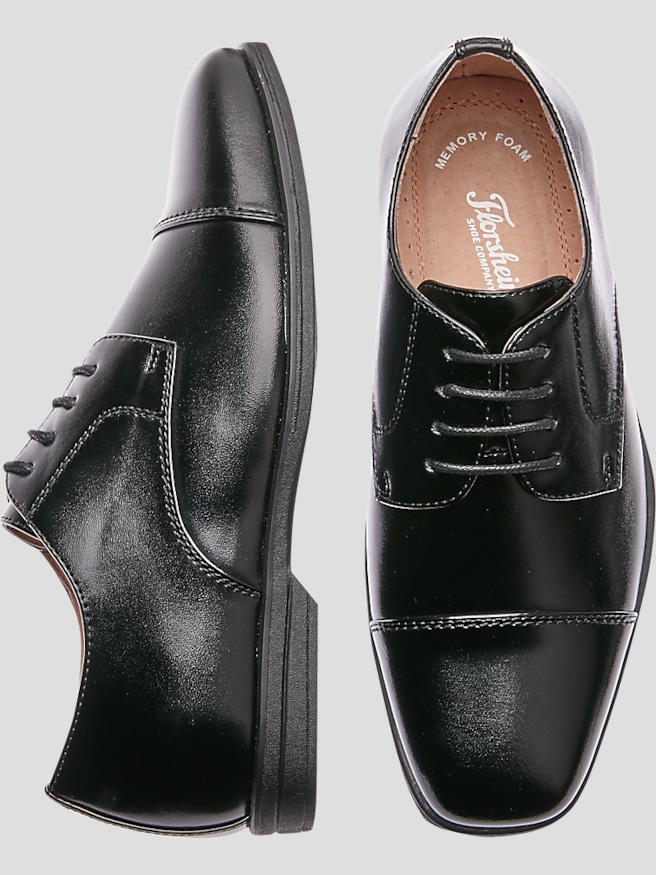
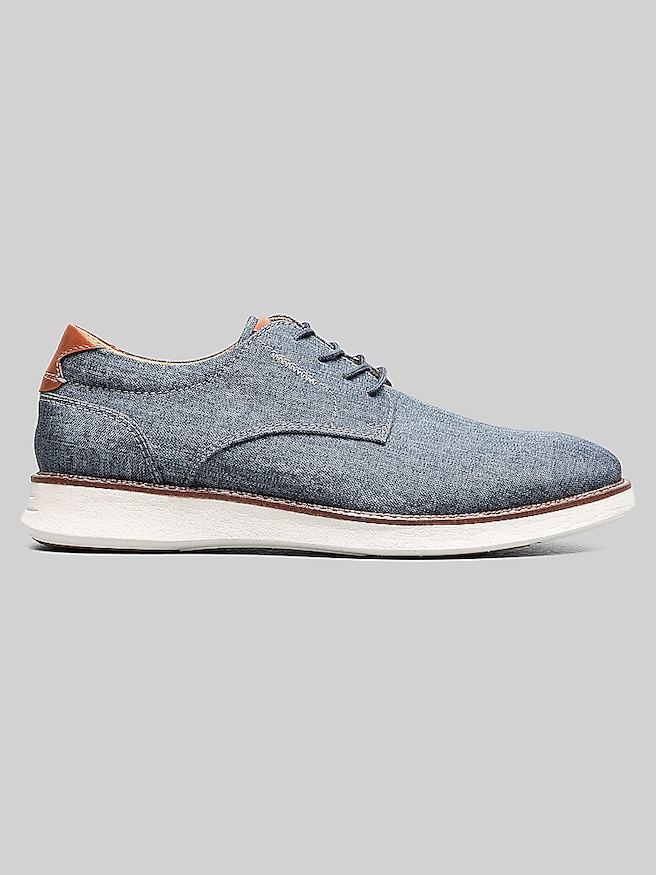
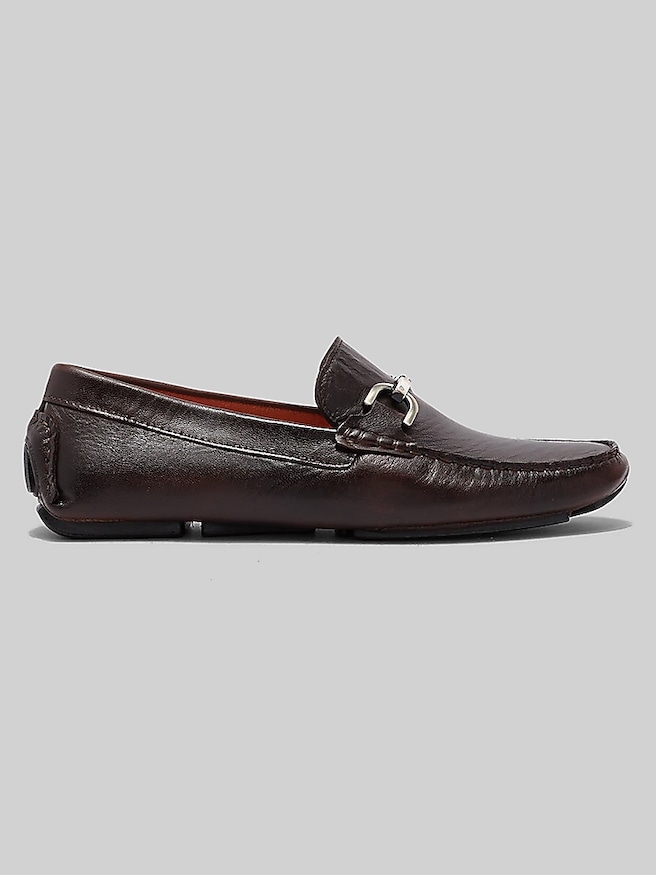
Boys' shoes include dress shoes, casual sneakers, slip-ons, and boots, with the right choice shaped by fit, activity, and the occasion. A pair worn for a school presentation has a different job from shoes that spend hours on a playground, even when both need to feel comfortable from the first step. Dress shoes bring a finished look to suits, dress pants, and other polished outfits, making them a natural part of weddings, family celebrations, concerts, and school ceremonies. Lace-up oxfords have a neat, structured appearance, while loafers offer a simpler silhouette without the need to tie laces. Smooth black shoes coordinate easily with many formal outfits; brown shoes can complement navy, gray, and earth-toned clothing, depending on the level of formality. Subtle stitching and restrained detailing keep the focus on the whole outfit rather than making the shoes the center of attention. For a boy walking down the aisle, standing onstage, or joining a family portrait, footwear needs to look appropriate while allowing him to move naturally. Casual shoes serve a broader everyday role, pairing with jeans, chinos, and relaxed pants for school, outings, and time with friends. Sneakers often use flexible uppers and cushioned midsoles, while casual slip-ons provide an easy-on option for less active settings. Boots offer more coverage around the ankle, although their weight, flexibility, and sole construction vary considerably. Athletic shoes designed for a particular sport differ from everyday sneakers in support, traction, and construction, so their intended use matters more than a sporty appearance alone. Across these categories, boys' footwear can range from understated and traditional to relaxed and expressive. Younger children may benefit from closures they can manage independently, while older children often place more importance on how their shoes coordinate with their clothes. The most useful pair fits the child’s routine as well as the outfit: polished enough for its purpose, comfortable enough for the expected hours of wear, and practical for the walking, standing, or seated activities that fill the day.
Materials and construction influence how boys' shoes feel, how they wear, and how much attention they need between outings. Leather uppers can offer a structured appearance and gradually soften with use, though a new pair should not require painful wear before it feels acceptable. Suede has a softer, textured finish that suits many casual and dress-casual outfits, but its surface needs care suited to its nap rather than the polish used on smooth leather. Textile uppers, including canvas and mesh, can feel lightweight and flexible; airflow depends on the fabric, lining, and overall construction. Synthetic materials vary widely, with some providing a smooth, easy-to-wipe surface and others offering more flexibility or ventilation. Inside the shoe, lining seams, cushioning, and the shape of the heel matter just as much as the visible upper. A neatly finished interior helps reduce rubbing, while a secure heel keeps the foot from sliding around with each step. Fit should leave comfortable space in front of the toes without allowing so much movement that the child has to grip the shoe to keep it on. Width is equally important: toes should not feel squeezed, and the sides should not press uncomfortably against the foot. Shoes that are too large are not a practical substitute for a proper fit, even when feet are growing. Trying footwear with the socks intended for the occasion gives a more useful sense of fit than trying it barefoot or with unusually thick socks. Both feet deserve attention because their measurements may differ slightly, and sizing can vary between styles. Laces allow adjustments across the top of the foot, while hook-and-loop straps can make getting dressed easier for children still learning to tie knots. Slip-ons rely more heavily on the relationship between the shoe’s shape and the foot. A short walk helps reveal heel slipping, pressure at the toes, or an awkwardly stiff sole—details that are easy to miss when a child is only sitting down.
Durability in boys' shoes comes from the combination of suitable materials, sound construction, and use that matches the shoe’s purpose. Reinforced areas around the toe and heel can help with repeated wear, while secure stitching and firmly attached soles are useful details in footwear that gets frequent use. Outsole texture also matters, especially when a child moves between carpet, tile, and paved walkways, although no sole can guarantee grip on every surface. A dress shoe may spend most of its time indoors at events, while an everyday sneaker encounters more scuffs, bending, and abrasion. Keeping those roles distinct can help preserve a polished pair for occasions when appearance matters. Routine care does not need to be elaborate, but it should suit the material. Loose dirt can be brushed away gently, smooth leather can be cleaned and conditioned with appropriate products, and suede benefits from a brush intended for its textured surface. Fabric shoes should be cleaned according to their care instructions rather than assumed to be machine washable. Letting shoes air out after wear and keeping them away from direct heat helps protect their shape and materials. Checking closures, interior lining, and sole wear occasionally can reveal when a pair is no longer comfortable or secure, even if the upper still looks presentable. Shoes can also make a thoughtful gift for a birthday, a milestone, or an upcoming celebration when the recipient’s measurements, preferred style, and intended use are known. A child preparing for a first formal event may appreciate a pair that feels familiar enough to walk in confidently, while an older boy may value a versatile style that works with several outfits. For teens moving into adult sizing, cloth shoes for men provide a related category to explore for casual dressing. Throughout those transitions, fit remains more important than the size printed inside the shoe. Well-chosen boys' shoes support the practical details of getting dressed, from fastening them independently to walking comfortably into a classroom, a celebration, or a family gathering.