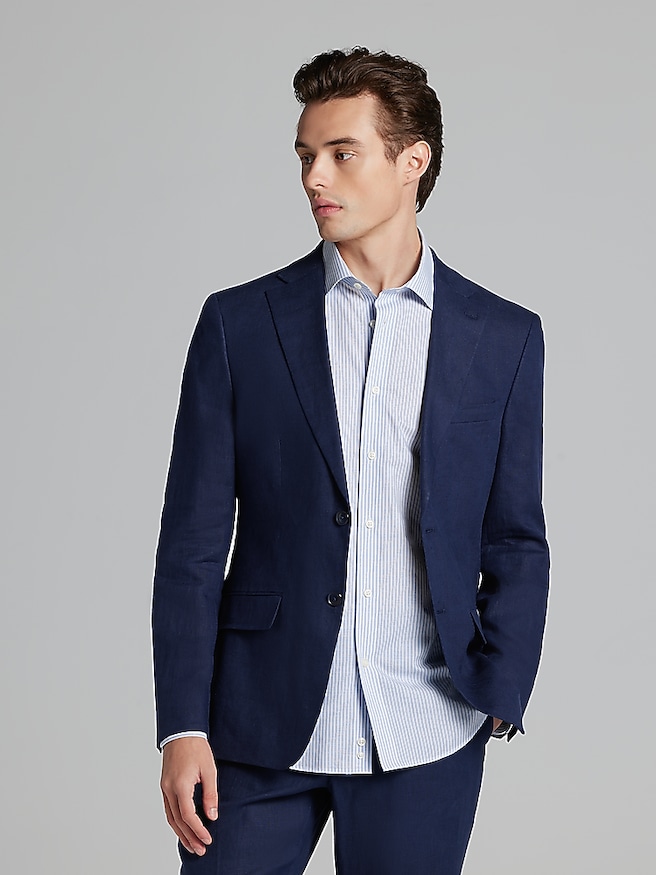
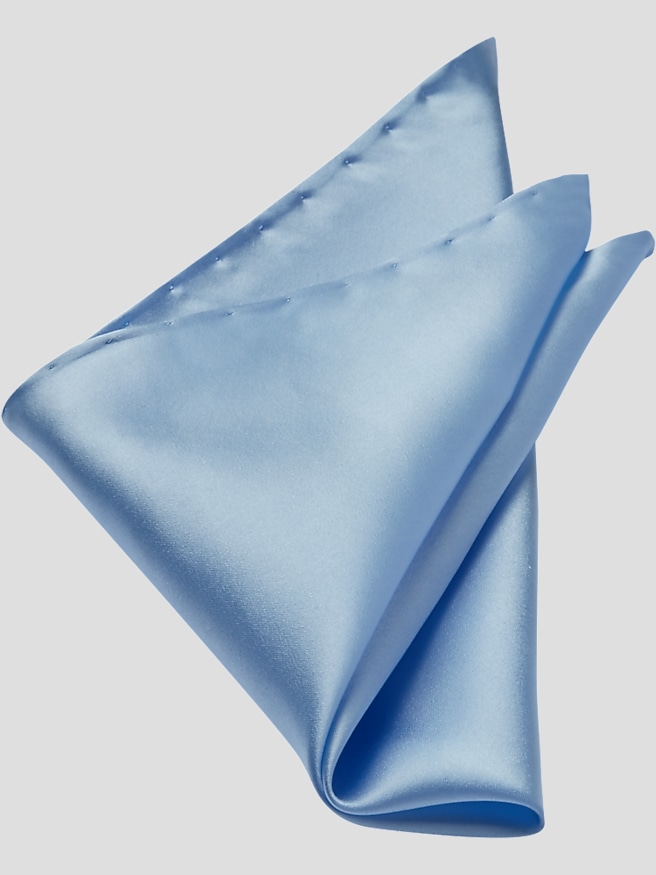
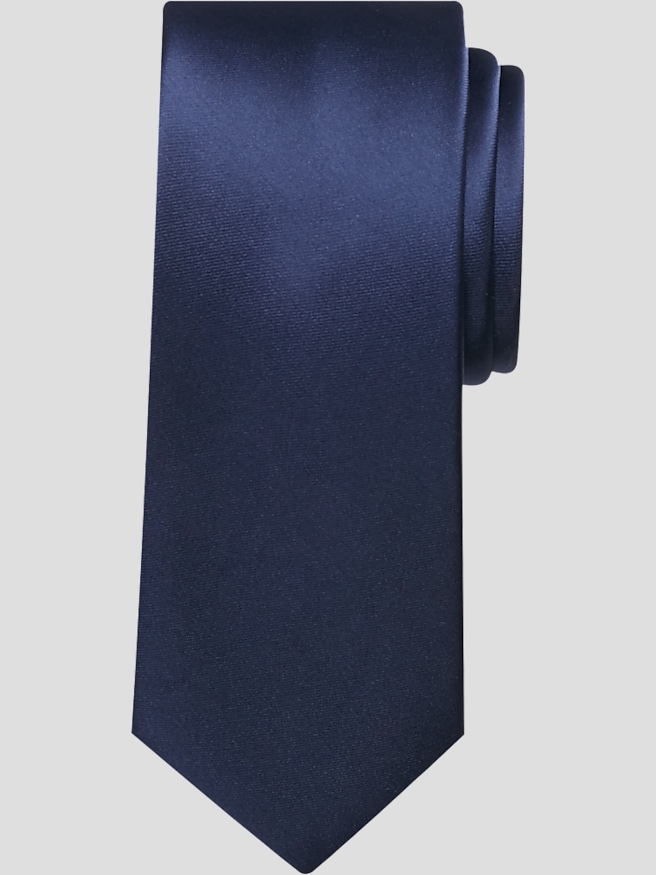
Blue wedding accessories bring color, texture, and a sense of continuity to wedding attire without requiring every detail to match. Ties, bow ties, pocket squares, socks, and small finishing accents can carry shades from pale sky blue to deep midnight, giving grooms, groomsmen, wedding guests, and family members a way to connect their clothing to the celebration. Blue can also acknowledge the “something blue” tradition through a discreet personal detail rather than a prominent splash of color. The effect depends as much on shade and fabric as on the accessory itself: powder blue against a white shirt feels soft and open, while a navy tie with a charcoal suit creates a quieter, more formal impression. Dusty blue works comfortably alongside gray and muted earth tones; royal blue adds stronger contrast; midnight blue offers depth that can look almost black in low evening light. Across the broader range of Wedding Accessories, these blue accents help connect an individual outfit to a shared palette while leaving room for personal style. A wedding party might wear ties in the same blue family, with the groom distinguished by a subtle woven pattern or a pocket square with a blue border. Exact duplication is not essential, and repeating the same glossy fabric at the neck and chest can make an outfit feel more uniform than intended. A solid tie paired with a lightly patterned pocket square often creates a more considered balance. Small dots, restrained florals, and fine geometric motifs can introduce movement without competing with the suit. For guests, one visible blue accent may be enough, particularly when the invitation calls for understated formal attire. During the cooler months, deeper blues sit naturally against flannel and other textured suiting, while softer shades can brighten a dark jacket. The setting matters, too: a blue that appears crisp in outdoor photographs may look richer under warm reception lighting, giving the same outfit a slightly softer character as the celebration moves indoors.
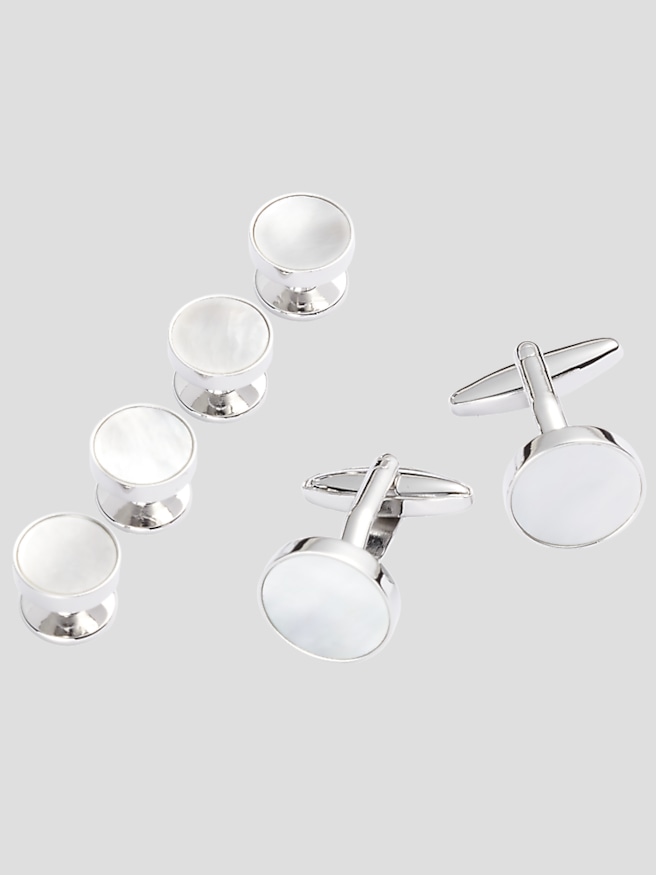
Materials influence how blue wedding accessories look, feel, and hold their shape throughout a long celebration. Silk can have a smooth sheen or a textured, relatively matte surface, depending on its weave, so fiber content alone does not determine the level of shine. A satin weave reflects light more noticeably, while a woven texture gives a solid blue fabric visual depth without introducing another color. Cotton and linen tend to create a less glossy impression, with natural creasing that suits relaxed ceremonies and softly structured tailoring. Wool adds a substantial hand and a muted finish that can complement heavier jackets in cooler weather. Polyester and blended fabrics may offer useful resilience, although wrinkle resistance, breathability, and cleaning requirements vary by construction. For neckwear, the fabric should form a knot that sits neatly within the shirt collar rather than crowding it or leaving an awkward gap. Tie width generally looks most balanced when it relates to the jacket lapels and the wearer’s proportions, with the finished tip reaching approximately the waistband. Bow ties should sit comfortably at the neck, with enough room to turn the head and speak easily during vows, speeches, and dinner. An adjustable closure is useful only when its size range suits the wearer, so neck measurements deserve attention alongside color. Pocket squares need enough body to stay in place without creating a bulky chest pocket; a crisp straight fold gives a cleaner line, while a soft puff shows more of the fabric’s texture. Blue socks offer a quieter connection to the palette, especially when the shade relates to the trousers or neckwear. Their fit matters during hours of standing and dancing: a secure cuff, a smooth toe seam, and sufficient length help keep them comfortable and maintain coverage when seated. Small hardware details also need practical consideration. Cuff links require compatible shirt cuffs, and a tie bar should be narrower than the tie, securing it to the shirt rather than simply clipping across the front.
The most useful blue wedding accessories feel appropriate for the ceremony and remain comfortable through the final photograph. For a black-tie celebration, the dress code should lead, with blue used selectively rather than assumed to replace traditional formal details. At a less formal gathering, a textured blue tie or a softly folded pocket square can bring polish to a suit without making the outfit feel overly ceremonial. Coordination works best when the main colors are considered together: the suit, shirt, and blue accent form the foundation, while shoes and metal finishes complete the picture. A navy accessory against a navy jacket benefits from some contrast in texture or tone so that the detail does not disappear. Against a pale shirt, even a modest blue pattern becomes more visible. Wedding photographs can emphasize shine, which makes a balanced mix of matte and reflective surfaces worth considering. Beyond appearance, construction affects how well accessories withstand repeated wear. Neat stitching, securely finished edges, stable closures, and fabric that recovers its shape all contribute to longevity. Care should follow the label, particularly for silk, wool, and embellished pieces. A spill is best blotted gently rather than rubbed, and aggressive spot treatment can leave a mark or alter the surface. Ties should be untied after wearing instead of pulled loose and stored with the knot intact. Allowing fabric to rest, keeping accessories dry, and storing pocket squares without tight compression help preserve their shape; pressing or steaming should be used only as the care instructions allow. These pieces can also make thoughtful gifts for a groom, an attendant, or someone giving a wedding speech, especially when the choice reflects what that person will wear again. A versatile blue shade can move from wedding attire to an anniversary dinner or another dressed-up occasion. For a wedding-party gift, accounting for collar size, preferred neckwear, and the planned suit creates something more personal than color coordination alone: a finishing touch that belongs to the day and still feels useful afterward.