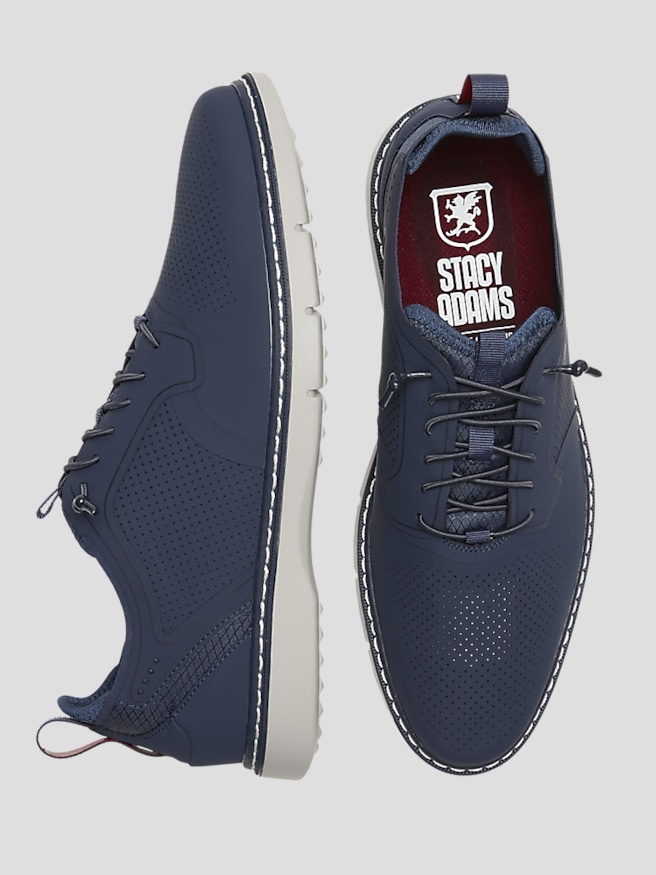
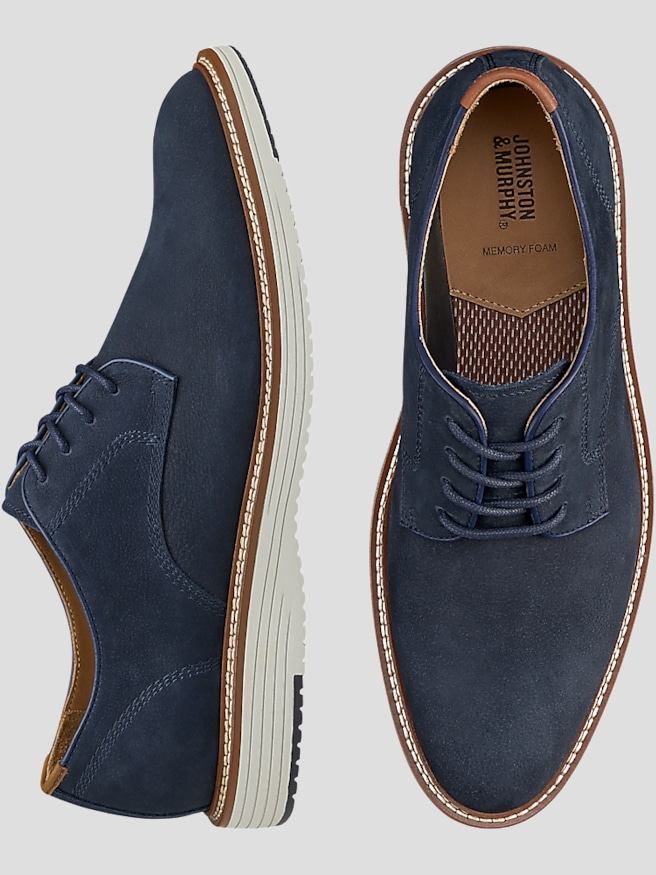
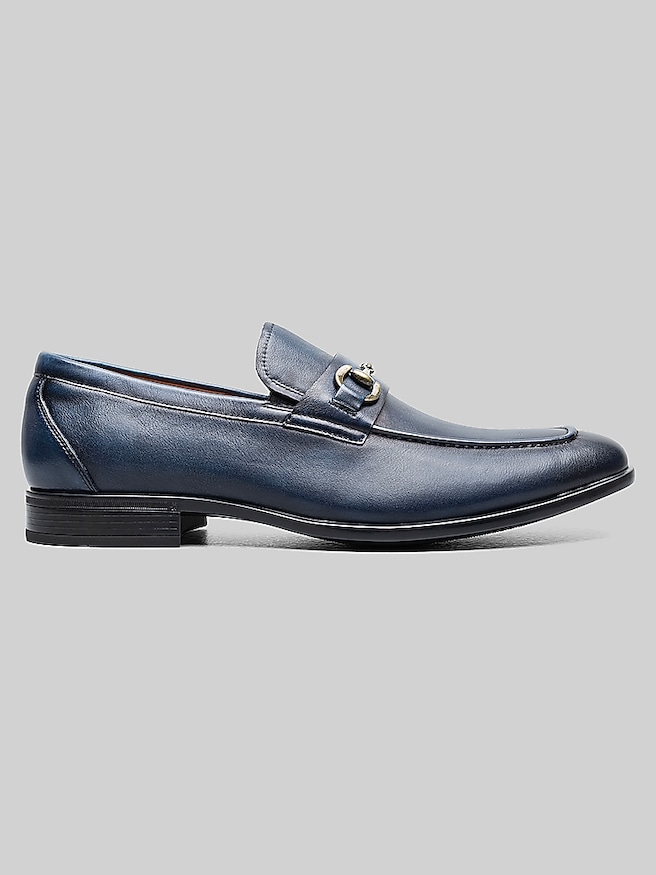
Blue hoco shoes bring color to a homecoming outfit without requiring every part of the look to compete for attention. From deep navy to bright royal blue and softer powder blue, the shade can make dress footwear feel understated, expressive, or somewhere in between. Navy often reads almost like a neutral, especially alongside charcoal trousers or a medium-gray suit, while royal blue creates a sharper focal point against black or pale gray. Lighter blues have a gentler contrast with cream and tan, though the overall level of formality still depends on the shoe’s shape, material, and finish. A sleek lace-up with a smooth upper gives a tailored outfit a clean foundation; a blue loafer introduces a more relaxed note while still looking intentional with dress trousers. Velvet adds a soft sheen that shifts under dance-floor lighting, suede offers a muted, textured surface, and polished leather brings a crisper finish. These distinctions matter as much as color: two pairs in nearly the same shade can give an outfit very different personalities. Homecoming typically includes more than the dance itself, with photos, dinner, and plenty of standing between activities, so footwear needs to make sense throughout the evening. Students wearing a suit for the first time may prefer a dark blue that feels easy to coordinate, while someone comfortable with bolder tailoring might favor a brighter shade as the main accent. Matching a tie, pocket square, or another person’s outfit can create a connection, but an exact color match is not necessary. Repeating a similar blue once is usually enough to make the choice feel deliberate. A navy shoe beneath gray trousers, for example, can work with a patterned tie containing just a small touch of blue. For a broader view of silhouettes that suit the occasion, Dress Shoes for Homecoming offers a related starting point. The strongest blue hoco looks balance a distinctive color with proportions and details that still feel comfortable to wear.
Material and construction help determine how blue homecoming shoes look up close, how they feel after several hours, and how well they hold their shape beyond one event. Smooth leather can offer a structured appearance and develop creasing with wear; a comfortable pair should flex where the foot bends rather than press stiffly across it. Suede has a soft, low-gloss finish that makes saturated blue feel less shiny, though its nap can show marks and needs its own cleaning approach. Velvet provides a richer play of light and texture, especially with simple tailoring, but deserves care around spills and rough surfaces. Synthetic uppers vary considerably in softness, breathability, and flexibility, so the material description alone does not tell the whole comfort story. Interior seams, lining, cushioning, and the shape of the toe box all deserve attention. A tapered toe can look elegant without squeezing the toes, provided there is enough width where the forefoot is broadest. Extra length at the tip does not compensate for a shoe that pinches along the sides. Lace-up styles allow some adjustment across the instep, while loafers depend more closely on the match between the foot and the shoe’s opening, heel, and upper. The heel should feel secure without rubbing, and toes should have room to move without the foot sliding forward. Trying shoes with the socks intended for homecoming gives a more useful sense of fit than trying them with a much thicker athletic pair. Walking, turning, and standing for a few minutes can reveal pressure points that are easy to miss while seated. Cushioning may help soften each step, but it cannot correct the wrong size or shape. Outsole texture matters, too, particularly when the evening moves between sidewalks, restaurant floors, and a polished dance floor. No sole can promise grip on every surface. A short period of indoor wear before the event can help confirm comfort, but significant tightness or rubbing should not be dismissed as something that will automatically disappear.
The most useful blue hoco shoes are often the ones that fit both the homecoming outfit and the occasions likely to follow it. A streamlined navy pair can return for school presentations, celebrations, or dressier family gatherings, while a vivid blue or plush velvet style may remain a more distinctive choice for dances and special evenings. Neither approach is inherently better; intended use helps clarify which details matter most. For repeated wear, even stitching, secure sole attachment, neatly finished edges, and a lining that feels smooth against the foot are useful signs to examine. A low, stable heel and a flexible forefoot can also make moving between dinner, photos, and dancing feel more natural. Trouser length affects the finished look: a clean hem that meets the shoe without excessive bunching keeps the blue visible and the silhouette balanced. Dark socks can create a continuous line beneath navy trousers, while patterned socks offer another accent if the rest of the outfit is restrained. Care should follow the upper material and the maker’s instructions rather than a single routine for every blue shoe. Smooth leather generally benefits from gentle cleaning and an appropriate conditioner, with any polish checked for color compatibility before use. A neutral product may be suitable for some finishes, but testing it in an inconspicuous area helps reduce the risk of an unwanted change. Suede usually calls for a dedicated brush and products intended for its nap, not ordinary leather polish. Velvet needs a gentle approach that avoids saturating or flattening the pile. After wear, allowing shoes to air out away from direct heat helps manage moisture, and suitable shoe trees can support the shape of structured leather footwear. Keeping pairs separated in storage also helps prevent scuffs and color transfer. As a homecoming gift from a parent or relative, blue dress shoes work best when the recipient can confirm the fit and have a say in the shade. That combination of personal expression, comfortable construction, and thoughtful upkeep gives the footwear a purpose beyond looking good in a single photograph.