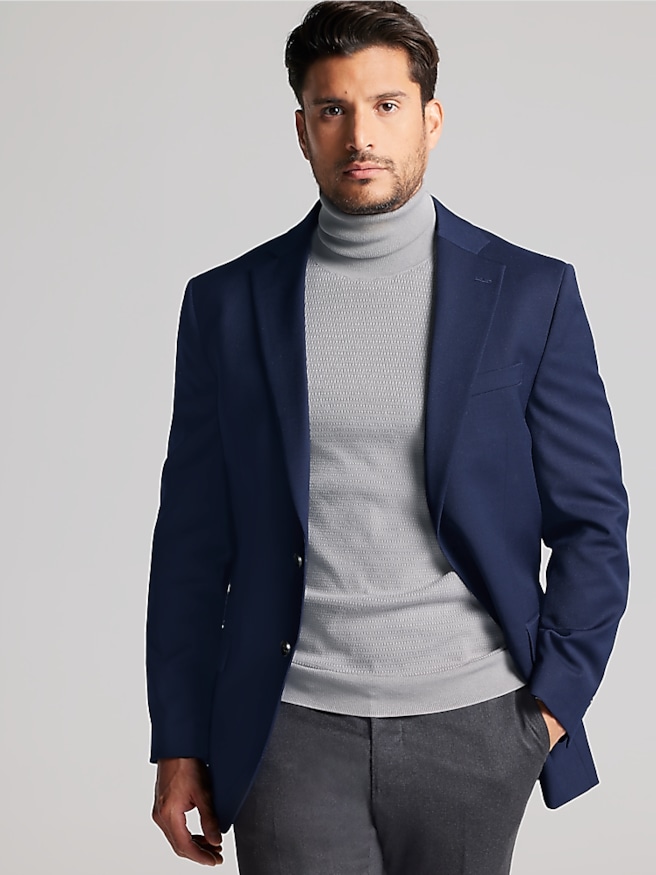
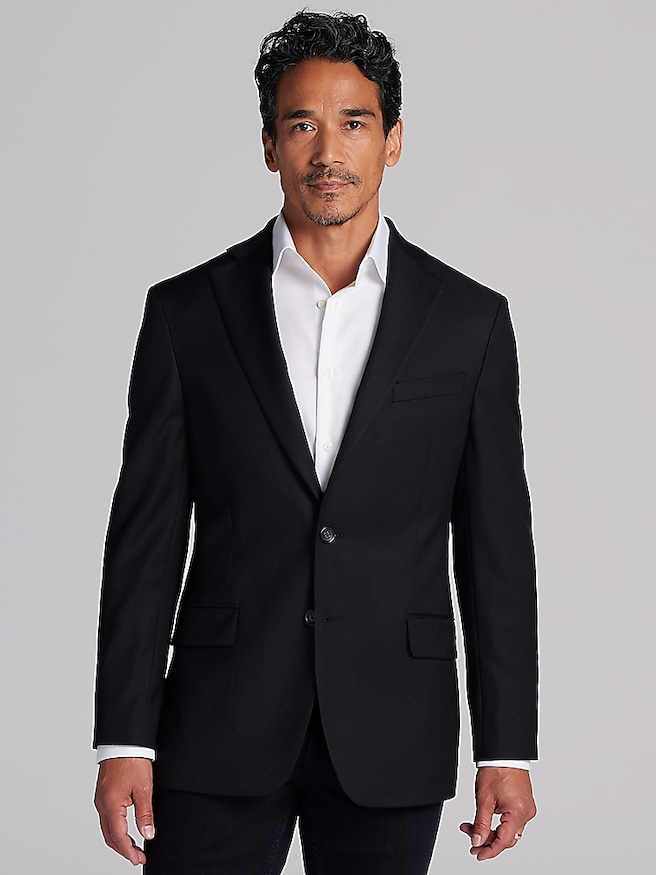
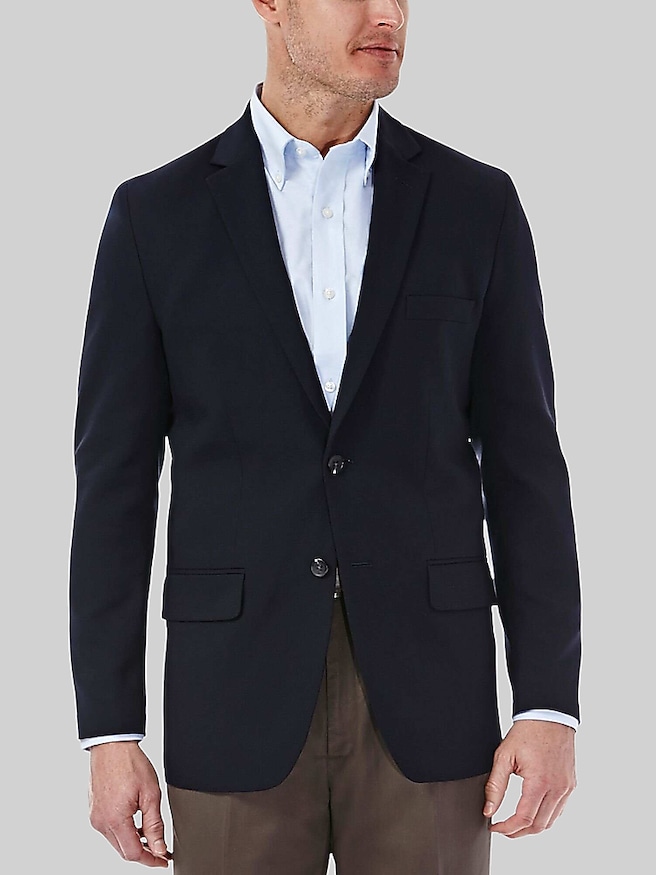
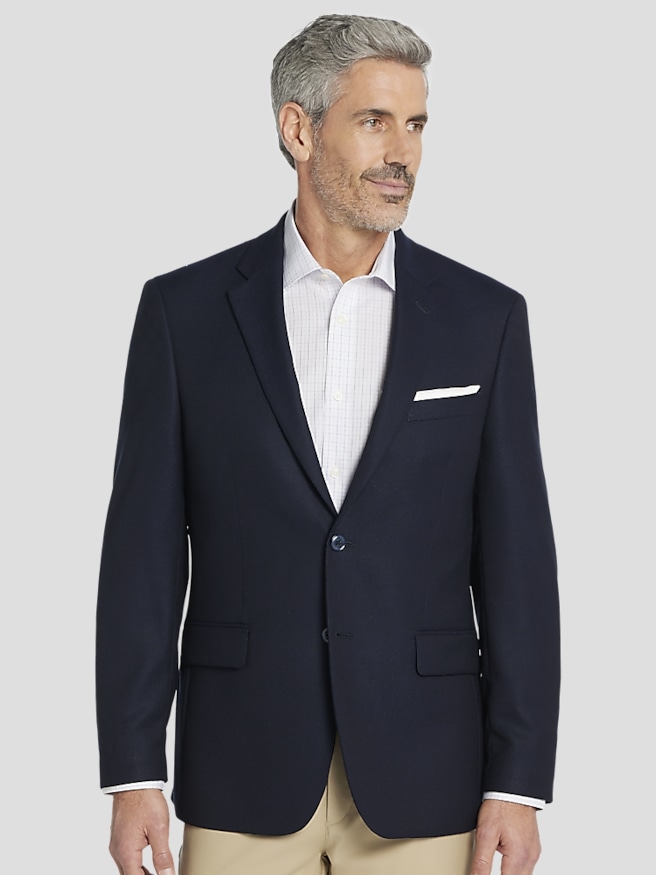
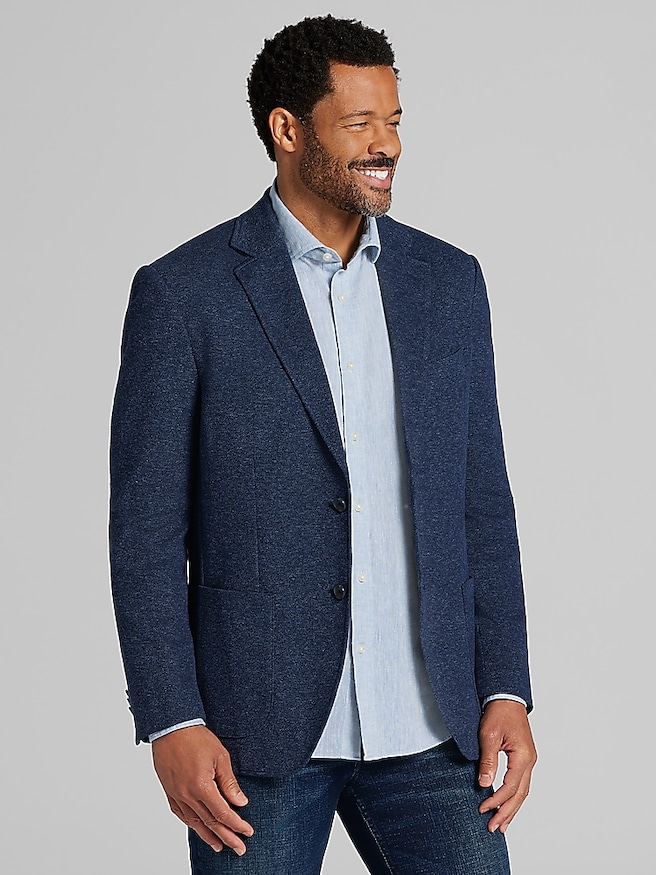
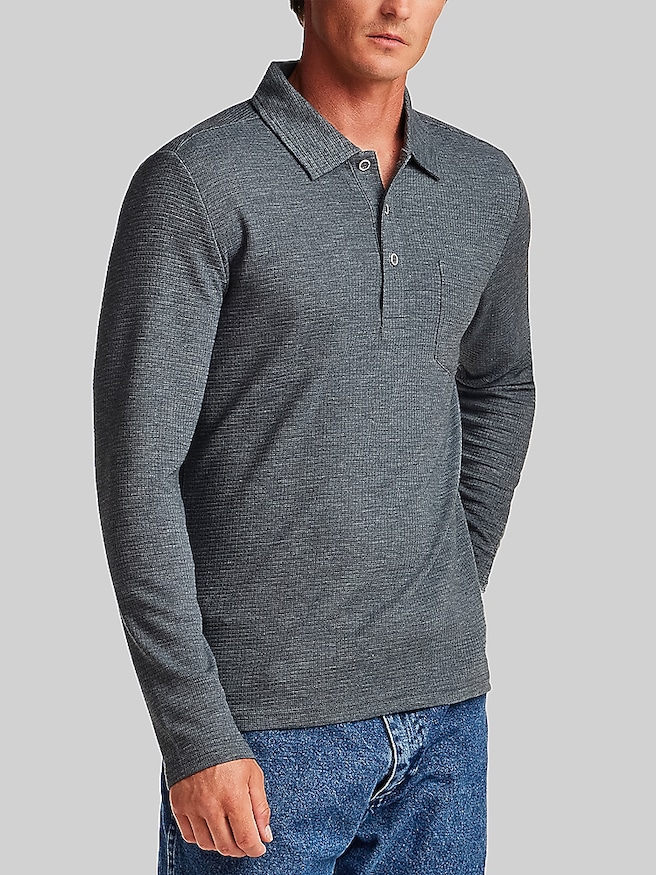
Blazers for polished casual outfits occupy a useful middle ground: more structured than a shirt alone, less formal than a complete suit. A defined shoulder, a neat lapel, and a clean line through the body can make familiar clothes feel more intentional without turning every occasion into a dress-up event. That balance works well for offices with flexible dress codes, dinner reservations, client lunches, graduation celebrations, and gatherings where jeans are welcome but a little extra effort still matters. A navy blazer with straight-leg chinos and leather loafers has an easy, composed appearance; a softly textured jacket with dark denim and a simple knit shirt feels relaxed without looking unfinished. The most successful combinations usually share a sense of proportion rather than an exact color match. Pants with a tidy silhouette support the jacket’s shape, while shoes with a clean profile keep the outfit grounded. Solid navy, gray, brown, and muted earth tones are easy to coordinate, and subtle checks or woven textures can add interest without overwhelming the rest of the outfit. With Blazer Shirts, the collar, fabric texture, and shirt hem all contribute to how relaxed or refined the finished outfit feels. An open collar softens the impression of tailoring, while a button-down collar can keep the neckline neat beneath the lapels. A fine-gauge sweater or a substantial, well-fitting T-shirt creates a different effect, allowing the blazer’s shape to provide most of the structure. Contrasts work best when they look deliberate: a matte jacket alongside crisp cotton, a restrained pattern against solid pants, or a slightly textured fabric paired with smooth leather footwear. For someone moving from a desk to an evening gathering, the blazer can remain the focal point while a change of shirt or shoes adjusts the mood. It is clothing built around everyday versatility, with enough refinement to acknowledge the occasion and enough ease to feel natural once the conversation gets going.
Fabric and construction play a large part in that balance. Wool is valued for its drape, resilience, and ability to recover from minor creasing, making it a useful foundation for a blazer that sees regular wear. Cotton often gives tailoring a more casual character, with a surface that can look crisp or gently broken in depending on the weave and finish. Linen brings visible texture and a naturally relaxed appearance, including creases that are part of its character rather than a flaw. Blended fabrics may combine these qualities or incorporate stretch for easier movement, though comfort also depends on how the jacket is cut. A knit blazer can feel flexible through the body and sleeves, while a woven blazer generally provides a more defined outline. Neither approach needs to look stiff. Unstructured or lightly structured construction allows a jacket to follow the body more closely, whereas additional support through the chest and shoulders creates a sharper silhouette. Partial linings can reduce bulk, and a smooth sleeve lining can make the jacket easier to slip over a shirt or fine knit. Fit brings all of those details together. The shoulder seam should sit near the natural shoulder, with enough room across the upper back to reach forward comfortably. When buttoned, the front should lie smoothly rather than pull into pronounced lines around the fastening. A little room through the chest and waist helps the jacket move with its wearer without losing its shape. Sleeves that stop near the wrist allow a shirt cuff to show, while the jacket’s length should look balanced with the torso and the rise of the pants. Slim, tailored, and more relaxed cuts offer different silhouettes, but the label matters less than the way the fabric rests on the body. Someone who spends much of the day seated may appreciate extra ease through the midsection; someone layering over a knit may need more space in the upper arms. Small alterations can refine sleeve length or the waist, while a sound fit through the shoulders provides the foundation.
A blazer’s long-term usefulness comes from both its construction and the care it receives between outings. Secure buttons, even seams, neatly finished buttonholes, and fabric that holds its shape are practical details worth noticing. Pockets should lie cleanly, and lapels should settle naturally rather than curl or buckle. Keeping bulky objects out of the pockets helps preserve those lines; a phone, keys, and a thick wallet can distort an otherwise well-fitting jacket. After wear, a broad, shaped hanger supports the shoulders better than a thin wire hanger, and some breathing room in the closet keeps the fabric from being compressed. A clothing brush can remove surface lint and dust from appropriate fabrics, while prompt attention to spots helps prevent them from becoming harder to address. Care labels remain the best reference for cleaning, since wool, cotton, linen, and blended constructions can require different treatment. Machine washing is appropriate only when the label allows it, and pressing or steaming should also suit the fabric and internal construction. Cleaning when needed, rather than automatically after every brief outing, can limit unnecessary wear while keeping the jacket presentable. For travel, a garment bag or a careful fold that avoids crushing the shoulders can help protect its shape; once unpacked, hanging it allows minor wrinkles to relax. Those habits matter especially for a blazer that becomes a frequent companion for presentations, restaurant dinners, and weekend plans. Its versatility also makes it a thoughtful gift for a graduate building a professional wardrobe, a partner who enjoys dressing for dinner, or someone whose work calls for polish without a full suit. Accurate sizing and a sense of the recipient’s usual colors are more useful than choosing the boldest pattern. A blazer that feels comfortable, coordinates with familiar pants and shirts, and suits the wearer’s routine has a better chance of becoming a dependable favorite. The appeal is not simply looking more dressed up; it is having a layer that adds definition, feels appropriate in varied settings, and still leaves room for personal style.