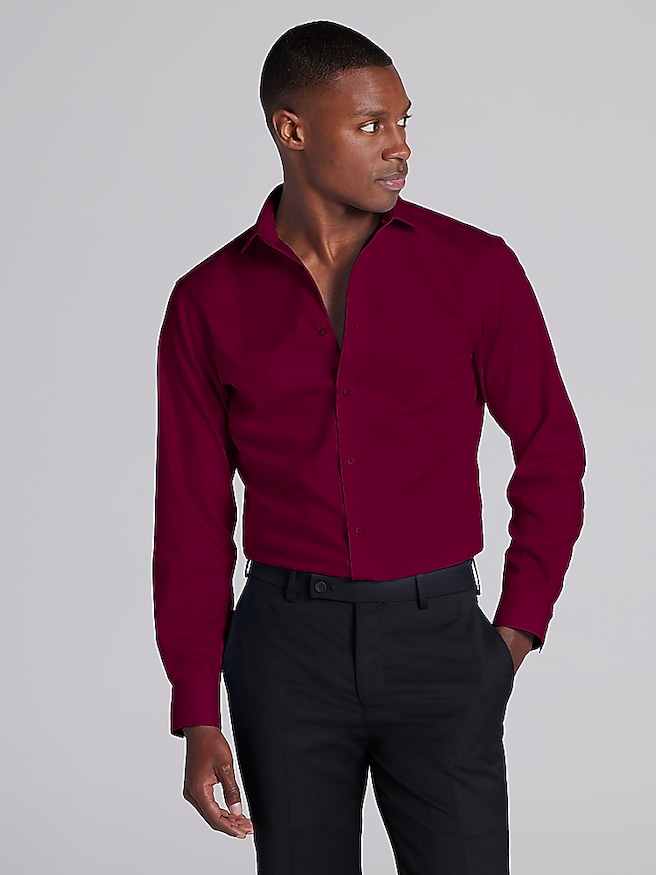
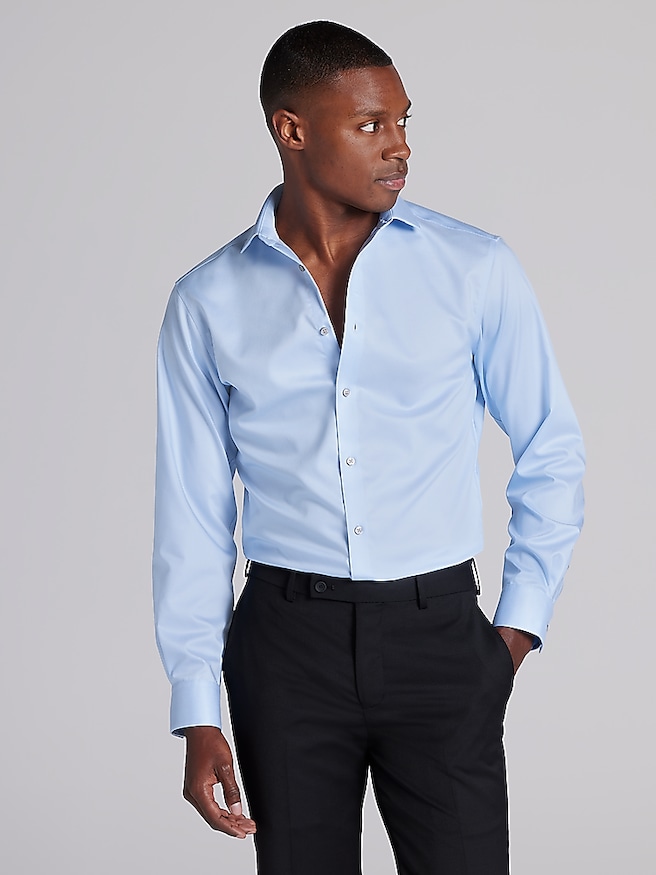
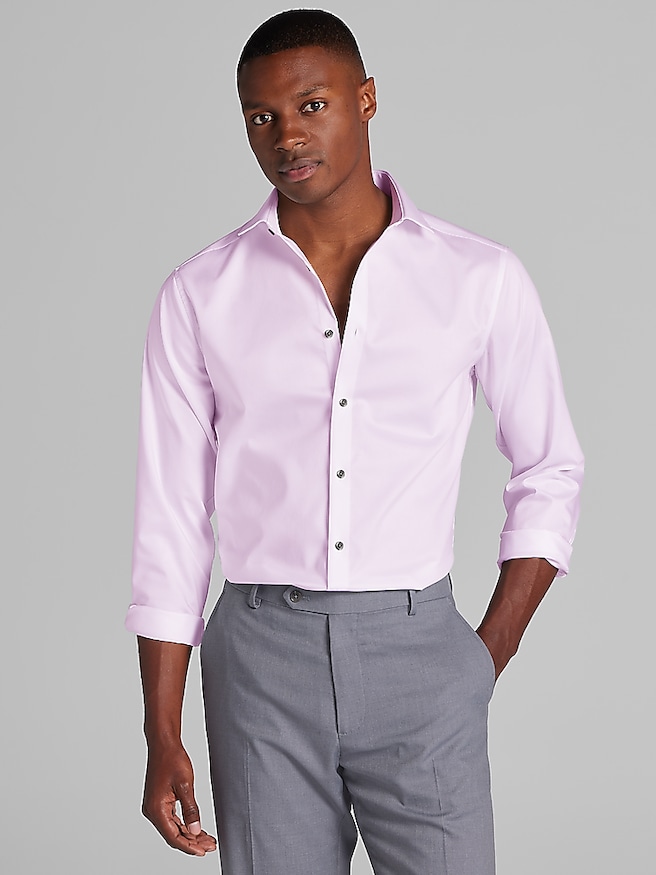
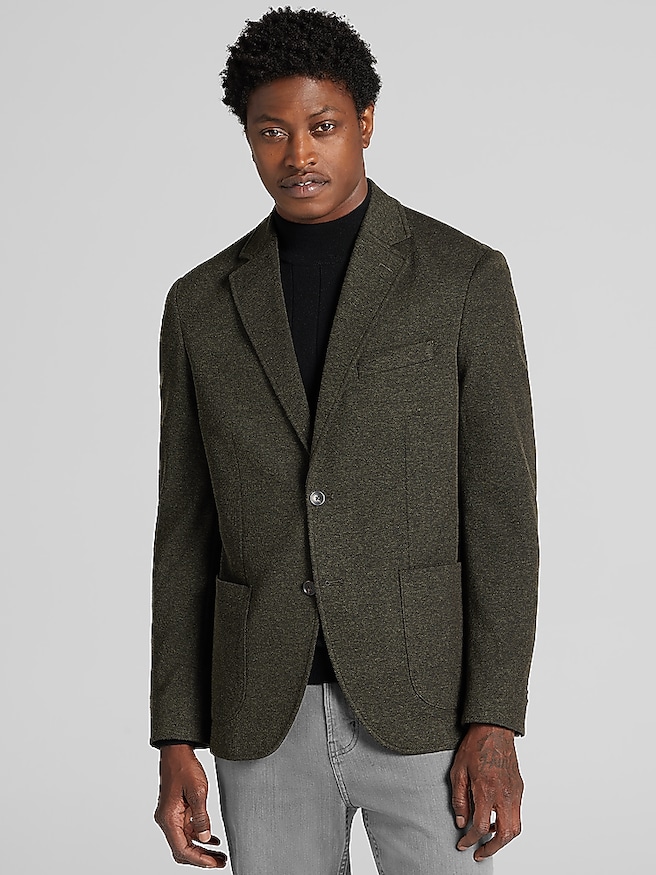
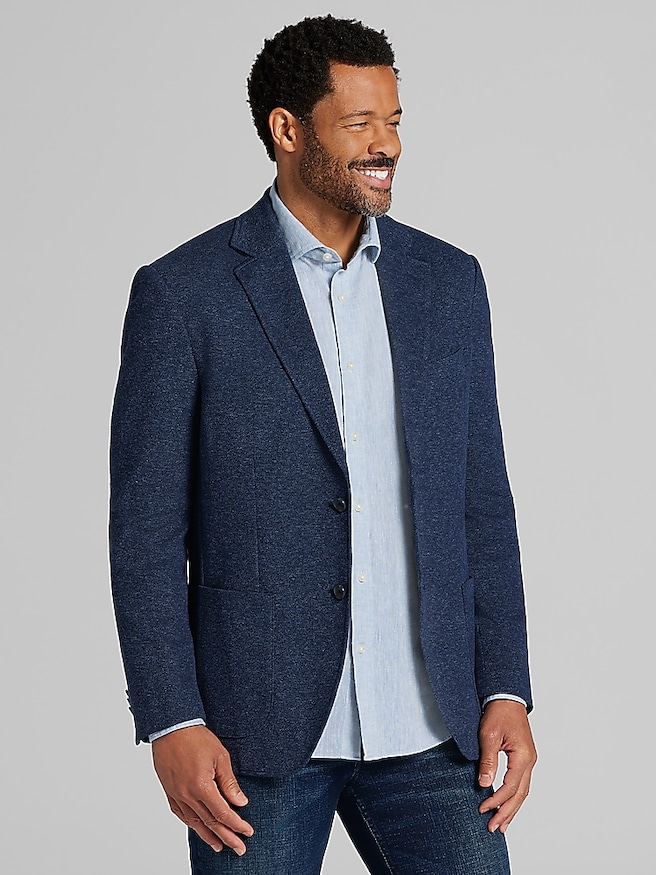
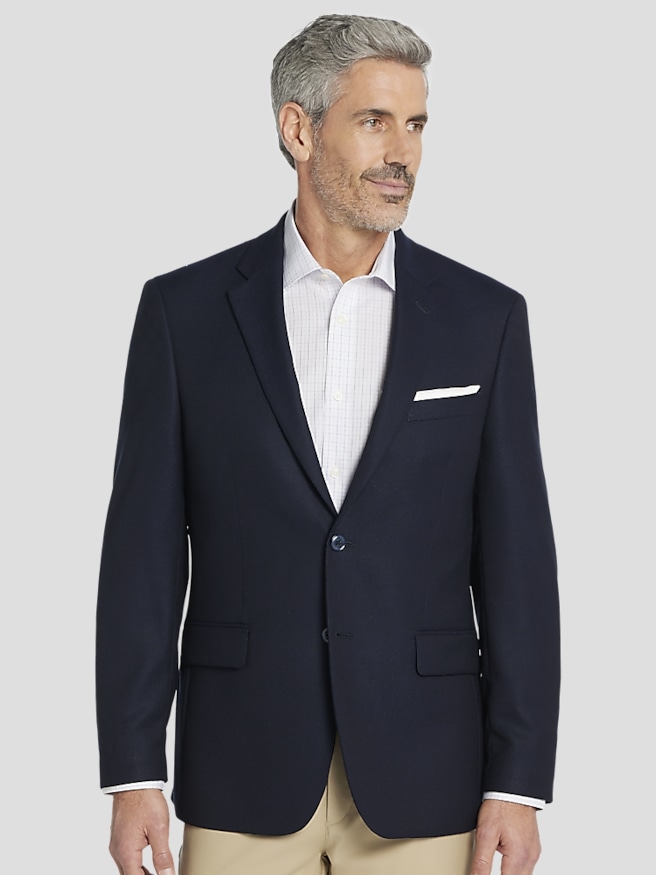
A shirt worn beneath a blazer does more than fill the space between the lapels. Its collar frames the face, its fabric influences how smoothly the jacket sits, and its color sets the tone for the entire outfit. Blazer shirts can range from crisp dress shirts to more relaxed button-down styles, with each bringing a distinct character to tailored clothing. A white shirt creates a clean contrast against navy or charcoal, while pale blue offers a softer look that still feels appropriate for a client meeting or a wedding reception. Subtle stripes and small checks add interest without competing with the jacket, especially when their colors echo a thread in the blazer’s fabric. For an office presentation, a smooth shirt with a structured collar gives an outfit a composed appearance; for dinner with friends, an open collar and a lightly textured fabric can feel more at ease. These differences make shirts useful companions to blazers across business settings, celebrations, and everyday occasions that call for something more considered than a T-shirt. A wardrobe built around versatile shirts and Stylish Blazers offers room for both polished and relaxed combinations without requiring every outfit to look alike. Dress trousers maintain a tailored line, chinos soften the overall impression, and clean, dark denim can work in settings where a less formal approach is welcome. The shirt helps establish that balance: a crisp collar and fine weave read differently from a button-down collar and a more pronounced texture. For men moving between a desk, an afternoon appointment, and an evening gathering, those small distinctions can make one jacket feel appropriate in several situations. A blazer-and-shirt combination is particularly useful when the dress code calls for polish but stops short of a full suit. The most convincing combinations look intentional rather than elaborate, with enough contrast to distinguish the layers and enough connection in color or texture to make them belong together.
Fabric and fit are central to how a shirt performs beneath a blazer. Cotton is a familiar choice because it offers breathability and a comfortable feel, though the weave can make two cotton shirts look and behave quite differently. Poplin typically has a smooth, relatively flat surface that works well with finer tailoring. Twill has a subtle diagonal texture and often a softer drape, while Oxford cloth has a more noticeable woven character that suits less formal combinations. Linen brings visible texture and natural creasing, giving a blazer outfit a relaxed appearance rather than a sharply pressed finish. Blended fabrics may offer easier care, added stretch, or improved wrinkle resistance, depending on their composition and construction. A touch of stretch can make reaching across a table or sitting through a long meeting more comfortable, but it cannot compensate for a shirt that is too small through the shoulders or chest. Shoulder seams should sit close to the natural edge of the shoulder, and the front should lie smoothly without pulling between the buttons. Excess fabric can be equally distracting: bunching at the waist creates bulk beneath a fitted jacket and interrupts the clean line of the outfit. Slim, tailored, and classic fit descriptions are useful starting points, but their proportions can vary, making neck, sleeve, chest, and waist measurements more dependable than the fit name alone. A collar worn with a tie should fasten comfortably without pressing tightly against the neck. Worn open, it should hold its shape rather than collapse beneath the lapels. Sleeve length matters, too, with a small amount of shirt cuff usually showing beyond the jacket sleeve when the arms rest naturally. For tucked-in outfits, sufficient shirt length helps keep the hem secure through sitting, standing, and reaching. A shirt that stays smooth beneath the blazer is more comfortable to wear and needs less adjustment throughout the day.
Details such as collar shape, pattern scale, and fabric finish give blazer shirts much of their versatility. A point collar creates a narrower frame at the neckline, a spread collar leaves more room for a fuller tie knot, and a button-down collar keeps its points secured for a relaxed but tidy appearance. None needs to dominate the outfit; the collar simply needs to sit comfortably within the jacket opening. With a patterned blazer, a solid shirt gives the eye somewhere to rest. With a solid jacket, a fine stripe or small check can add dimension, particularly when the pattern remains restrained enough to read clearly beneath the lapels. Texture offers another way to create interest without adding more colors, such as a subtly woven shirt against a smooth jacket. Lasting usefulness also depends on care and construction. Even stitching, firmly attached buttons, and neatly finished seams are practical details worth attention because shirts experience repeated movement and laundering. Care labels provide the most reliable direction for washing, drying, and ironing; cotton, linen, stretch blends, and shirts with wrinkle-resistant finishes may need different treatment. Promptly removing a shirt from the dryer and placing it on a hanger can reduce creasing, while pressing the collar, cuffs, and front placket restores the areas most visible beneath a blazer. Excessive heat can affect some fibers and finishes, so gentler treatment may help preserve the shirt’s shape and appearance. Shirts also make thoughtful gifts for a graduate preparing for interviews, a partner building a work wardrobe, or someone who enjoys dressing for dinners and special gatherings. A familiar neck and sleeve size, a preferred fit, and colors that complement an existing jacket make the choice more personal. Whether worn with a tie or an open collar, a well-chosen blazer shirt earns its place through comfort, proportion, and the ease with which it works alongside the rest of the wardrobe.