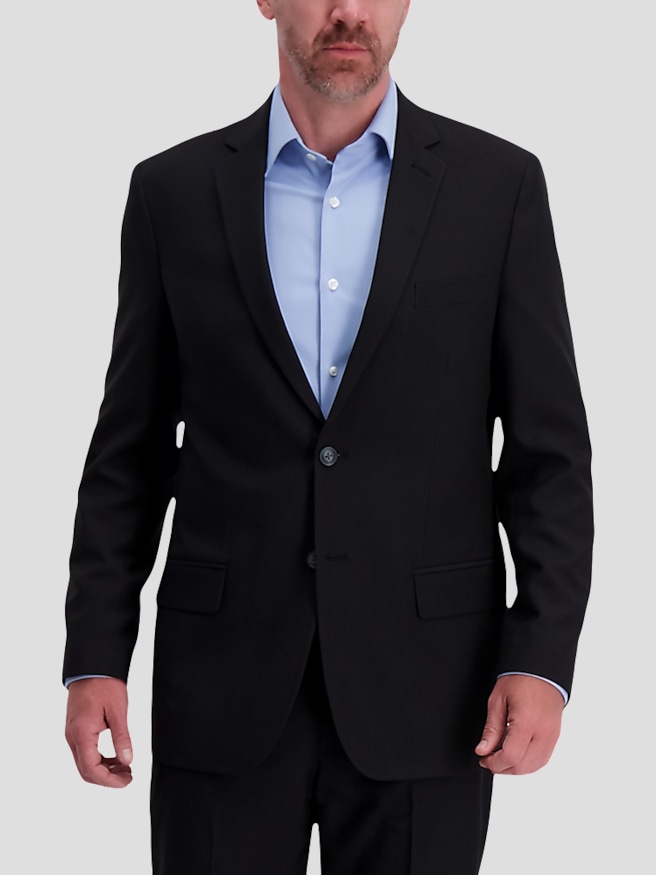
Black wedding ties include black neckties and bow ties worn by grooms, wedding party members, and guests to complement suits or tuxedos. The accessory and the dress code are not interchangeable: a black-tie wedding generally calls for a tuxedo with a black bow tie, while a black necktie works with many suit-based wedding looks when the invitation permits them. That distinction gives these accessories a broad place in wedding attire, from a groom’s formal evening ensemble to a guest’s charcoal suit at an afternoon ceremony. Against a white dress shirt, black creates a crisp contrast that looks especially clean beneath a dark jacket. With a light blue shirt, it can feel slightly softer while retaining definition. Solid black keeps attention on the overall silhouette, making the line of the collar, the jacket lapels, and the tie knot particularly noticeable. Subtle woven patterns add interest without introducing another color into the wedding palette. A small geometric texture or quiet tonal stripe can give a necktie depth in close-up photographs while appearing nearly solid from across the room. For wedding parties, a shared black color can bring cohesion to coordinated suits, though texture and finish still matter: a glossy bow tie and a matte woven necktie create distinct impressions even when their color is similar. A groom may prefer a slightly more lustrous finish, with attendants wearing a restrained texture that complements rather than duplicates the look. Guests can take their cue from the stated dress code instead of assuming that any black accessory makes an outfit appropriate for a black-tie celebration. The setting matters, too, but it does not replace the invitation’s guidance. A ballroom reception may suggest a polished finish, while a relaxed restaurant celebration can accommodate more texture when the requested attire allows it. The strongest combinations look intentional without competing with the occasion, leaving room for the wearer’s personality in the knot, collar shape, and small finishing details.
Material, weave, and proportions shape how a black wedding tie looks and feels through the ceremony, portraits, dinner, and dancing. Silk is valued for its drape and natural luster, though its appearance varies considerably with the weave. Satin describes a smooth-faced weave rather than a particular fiber, so both silk and synthetic fabrics can have a satin finish. That smooth surface creates a sleek line and catches light readily, making it a familiar choice alongside formal evening attire. A ribbed or finely textured weave reflects light more quietly and can provide contrast against a smooth suit fabric. Polyester and blended constructions can offer resilience and wrinkle resistance, with the actual feel and performance depending on their construction and care requirements. Knitted textures have a more relaxed character and generally belong with less formal wedding outfits rather than traditional black-tie attire. Beyond the fabric, the tie’s scale should relate to the jacket and shirt. A very narrow necktie can look disconnected from broad lapels, while an especially wide tie may overwhelm a trim jacket. A balanced combination lets the tie and lapels share roughly the same visual weight without requiring an exact match. Length matters just as much: the front tip of a conventional necktie generally meets the waistband, creating a finished line when the jacket opens. Torso length, collar size, and the amount of fabric used in the knot all affect where that tip falls. A compact four-in-hand knot pairs naturally with many point collars, while a fuller knot can better fill the space of a spread collar. Heavier fabric adds knot volume on its own, so an elaborate knot is not always necessary. Bow ties bring their own proportions, with the bow sitting comfortably beneath the chin rather than dominating the face. An adjustable neckband should feel secure with the collar buttoned, allowing comfortable movement without sagging or pulling.
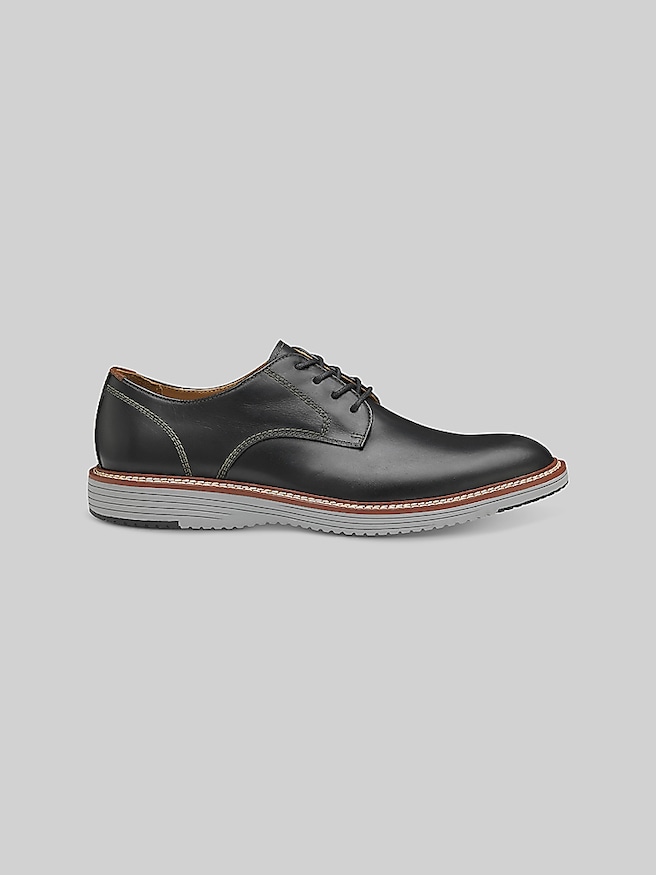
Finishing details help a black wedding tie feel connected to the rest of the outfit rather than added at the last minute. A white pocket square provides a clean companion without requiring an identical fabric, and restrained metal accessories can keep the focus on the face and neckline. With a tuxedo, a black bow tie that complements the lapel facing creates a coherent formal look; with a suit, a black necktie can bring structure to charcoal, navy, or black tailoring. Footwear completes that line from the jacket to the hem, and Black Wedding Shoes can help carry the dark, polished palette through the full ensemble. A smooth, well-maintained shoe finish often works better than an overly decorative style when the tie and suit already establish a formal mood. For a wedding party, looking at ties beside the actual shirts and jackets helps reveal differences in sheen that may be less obvious when each accessory is viewed alone. A deeply textured black fabric can look softer under light than a glossy satin surface, even though both belong to the same color family. Practical care helps preserve that appearance beyond a single celebration. Following the care label is essential, especially with silk and textured fabrics. Loosening a necktie carefully after wear, rather than pulling the narrow end sharply through a tight knot, helps protect its shape and seams. Woven ties can be stored loosely rolled or hung appropriately, while knitted styles generally benefit from flat storage that avoids stretching. Stains deserve prompt attention according to the fabric’s care instructions; rubbing can spread a mark or damage the surface. Direct heat can also alter delicate finishes, so pressing or steaming requires caution. For a groom, attendant, or frequent wedding guest, a well-chosen black tie can remain useful for future dress occasions. As a gift, it is especially thoughtful when its length, proportions, and style reflect the recipient’s wardrobe, pairing a meaningful wedding-day accessory with lasting usefulness.