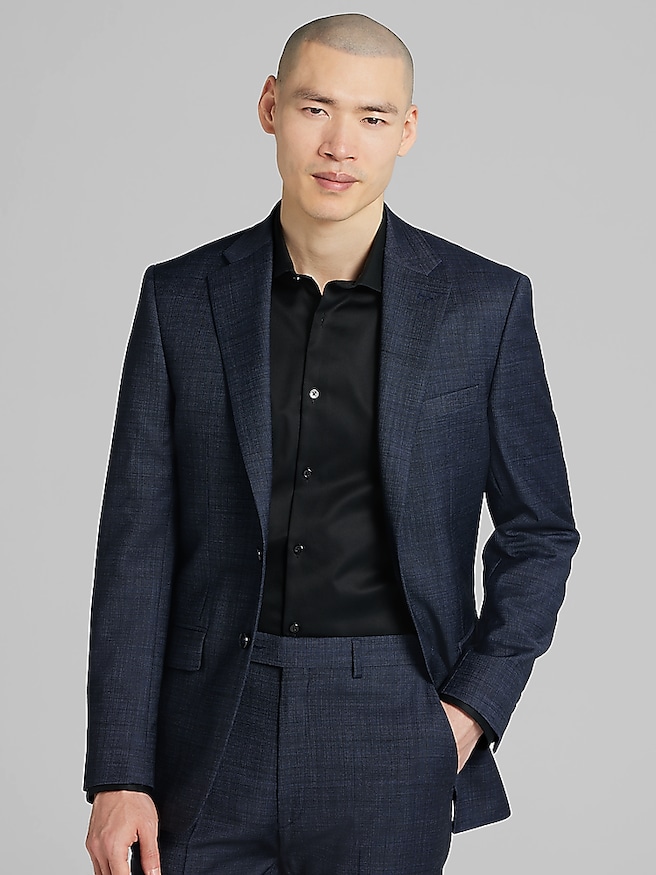
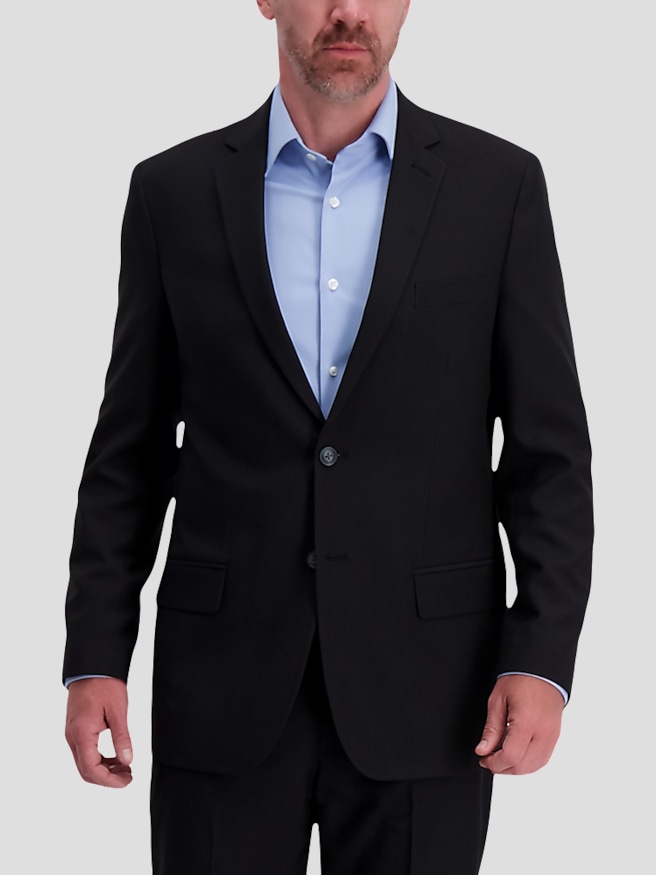
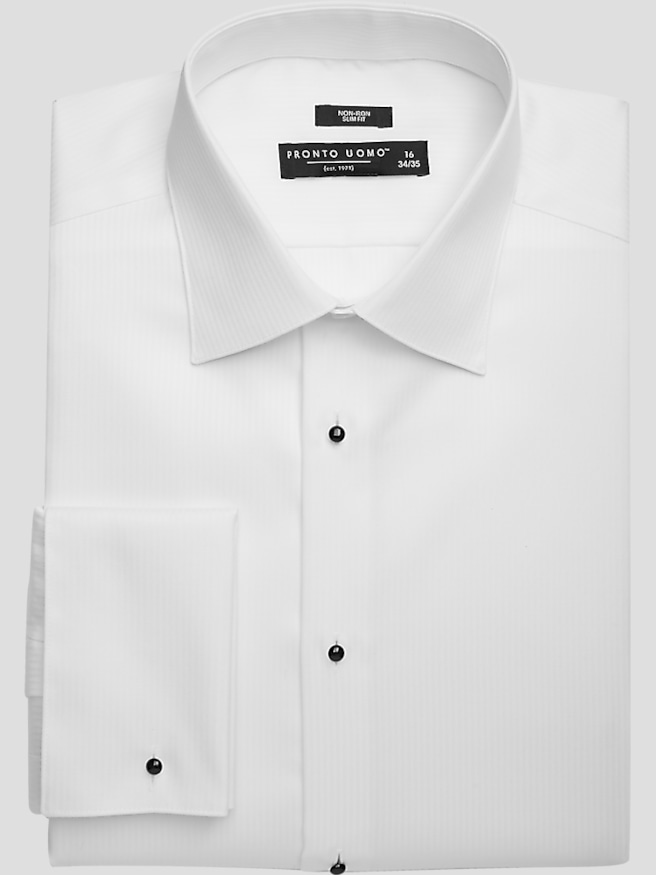
A black suit is appropriate for a wedding guest when it matches the invitation’s dress code, the venue, and the time of day. Its clean lines and deep color make it a natural choice for an evening ceremony, a formal reception, or a celebration in a ballroom or historic hotel. For a daytime wedding or a more relaxed setting, the shirt, tie, and accessories can soften the overall impression, provided a suit fits the requested attire. A black suit is not the same as a tuxedo: a black-tie invitation generally calls for a tuxedo, while black tie optional typically allows a dark suit with a dress shirt and tie. Any guidance from the hosts, including cultural or religious expectations, takes priority over general conventions. Within those boundaries, black offers a straightforward foundation that can feel understated rather than attention-seeking. A crisp white shirt gives the strongest contrast, while a pale blue shirt creates a gentler distinction without making the outfit feel casual. A burgundy, navy, or subtly patterned tie introduces depth and helps keep the combination from looking like a uniform. For a guest arriving directly from a ceremony at a place of worship to a seated reception, those small choices can carry the outfit comfortably through both settings. The broader category of Black Wedding Suits reflects the versatility of this dark neutral, but guest attire works best when it remains distinct from any coordinated wedding-party look. Matching the attendants is unnecessary unless the hosts have specifically requested it. A restrained pocket square, polished shoes, and a well-proportioned jacket usually do more for the finished appearance than several competing accessories. The aim is a considered outfit that honors the occasion, looks composed in photographs, and feels natural enough to wear through dinner, conversation, and a full evening of celebrating. Black provides that consistency without requiring every detail to be black as well.
Fabric and construction influence how a black suit looks up close and how comfortably it moves through a long event. Wool is a common suiting material because it drapes cleanly, offers natural resilience, and can recover from light creasing between wears. Wool blends vary in texture, breathability, and wrinkle resistance according to their fiber content and construction; the label provides a more useful starting point than appearance alone. A matte or softly textured finish generally gives a wedding guest outfit a refined look without the pronounced sheen of some special-occasion fabrics. Black also makes surface details noticeable, including lint, pressing marks, and differences between separate fabrics. A jacket and trousers made as a matching suit provide a consistent shade and texture, whereas unrelated black separates may look mismatched under reception lighting or camera flash. Fit deserves equal attention. Jacket shoulders should follow the shoulder line without extending noticeably beyond it, and the collar should sit close to the shirt rather than leaving a gap behind the neck. With the jacket fastened, the front should lie smoothly instead of pulling into an X around the button. A slim silhouette can look sharp, but it still needs enough room to sit, reach for a glass, and greet other guests comfortably. A classic or modern fit can offer additional ease while retaining a defined shape. Trouser fit matters just as much during a ceremony or dinner: a comfortable waist, sufficient room through the seat, and a clean line down the leg help prevent constant adjustments. Hem length changes the impression, too. Little or no break creates a crisp outline, while a slight break gives a more traditional finish. Neither should leave excess fabric bunching over the shoes. Sleeve length that reveals a narrow edge of shirt cuff adds another quiet sign of a well-fitted suit, especially when hands are visible in photographs.
The finishing pieces determine whether a black suit feels thoughtfully dressed for a wedding rather than simply borrowed from a workday wardrobe. A smooth dress shirt with a collar that sits neatly beneath the jacket gives the tie a stable frame. A small-scale woven pattern or subtle texture can add interest without competing with the suit’s simple outline. A pocket square does not need to duplicate the tie; white linen or a restrained complementary color keeps the combination balanced. Black leather lace-up shoes offer a dependable formal pairing, with a belt in a similar leather finish when the trousers call for one. Clean soles, fresh laces, and polished uppers matter when the setting includes a polished dance floor or close-up group photographs. Socks long enough to cover the leg when seated preserve the uninterrupted line of the trousers. Comfort is practical as well as visual: shoes that already fit comfortably and a shirt collar with breathing room make a difference over several hours. After the event, good care helps a black suit remain useful for future weddings, milestone dinners, and other dress occasions. Following the garment’s care label protects both the fabric and the internal structure. A gentle brushing can remove surface dust, while a lint roller used with a light touch can address visible fibers before dressing. A broad, shaped hanger supports the jacket, and neatly hung trousers are less likely to develop unnecessary creases. Allowing the suit to air before storing it and using a breathable garment bag can help keep it fresh between occasions. Professional cleaning is best guided by the care instructions and the garment’s condition rather than treated as an automatic step after every wear. With sound construction, comfortable tailoring, and careful upkeep, a black suit can become a dependable part of a guest’s wardrobe, ready to take on a different character with a change of shirt, tie, or pocket square.