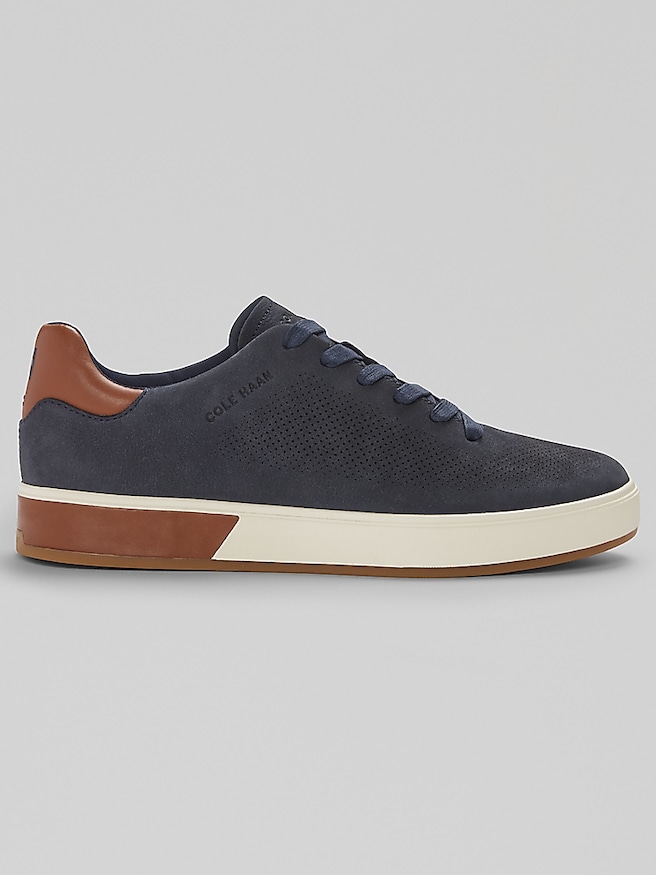
Black running shoes are athletic footwear designed for running, pairing a black color scheme with features such as breathable uppers, underfoot cushioning, and traction suited to their intended surface. Their performance depends on construction, fit, and intended use—not on color alone. An understated black upper can make a running shoe easy to coordinate with athletic clothing, while an all-black design creates a more uniform look from laces to outsole. Contrasting midsoles, textured mesh, and subtle reflective details can give the same color family a distinct appearance without making the shoe feel visually busy. For regular training, the important differences often sit beneath that exterior. Lightweight mesh allows airflow around the foot, while engineered knit can provide a more flexible, close-fitting feel. Synthetic overlays may reinforce high-wear areas and help hold the foot over the sole, especially around the midfoot and heel. Midsole foams vary in softness, responsiveness, and weight; a deeply cushioned shoe can feel quite different from a lower-profile design even when both have a black finish. More cushioning does not automatically mean a better match, since some runners prefer a plush landing and others favor a firmer, more connected feel. Rubber placement also matters. Coverage beneath the heel and forefoot can help protect areas that repeatedly contact the ground, while grooves in the outsole influence how the shoe bends through a stride. Road-running shoes generally prioritize movement on pavement and similar surfaces, whereas trail-oriented designs use tread and protective features suited to uneven terrain. A treadmill routine, neighborhood loop, and unpaved path each place different demands on footwear. Black is a versatile visual choice across those settings, but the shoe’s stated purpose remains the clearest starting point for understanding where it belongs. Even two pairs with nearly identical silhouettes may differ noticeably in flexibility, support, and the way they feel after repeated steps.
Fit gives those materials and design details their practical value. Black running shoes should feel secure through the heel and midfoot without squeezing the toes or creating pressure across the top of the foot. A small amount of space beyond the longest toe—often around a thumb’s width—helps accommodate forward movement and natural changes in foot volume during activity, though the right amount depends on individual foot shape and the shoe’s construction. Width deserves as much attention as length: toes should have room to spread, and the sides of the foot should not bulge over the platform. A shoe that feels loose at the heel but tight at the forefoot may have the wrong shape rather than simply the wrong size. Trying on footwear with the socks normally worn for running gives a more useful impression than relying on size alone. Anyone who uses an insert or orthotic also needs enough interior space to accommodate it without lifting the heel excessively or crowding the toes. Lacing can fine-tune the hold, but it should not have to compensate for a fundamentally poor fit. During a short walk or easy jog, the upper should move comfortably with the foot, with no persistent rubbing at the heel collar or pinching where the shoe flexes. Support preferences vary, too. Neutral designs and stability-oriented designs serve different needs, and a shoe should not be expected to correct pain simply because it feels more structured. For someone moving between easy runs and long walks, a comfortable daily trainer may suit both activities when its design supports that use. A running shoe is not automatically appropriate for heavy lifting or sports involving sharp lateral cuts, which call for different platform and support characteristics. For the runner whose routine includes steady mileage, recovery sessions, or occasional faster efforts, matching the shoe to the activity is more useful than treating every athletic silhouette as interchangeable.
Black running shoes also have a place in an everyday wardrobe, especially when a day includes a workout followed by errands or a relaxed meetup. Black joggers and a simple performance shirt create a streamlined athletic combination, while tapered casual pants can give a low-profile pair a less workout-focused appearance. For outfits centered more on everyday comfort than dedicated running, Black Athleisure Shoes offers a related style direction, with intended use still worth checking before treating any casual shoe as training footwear. Maintaining the appearance and performance of running shoes takes straightforward care rather than aggressive cleaning. Loose grit can be brushed away with a soft brush, and surface marks can often be addressed with a lightly damp cloth and a mild cleaning solution appropriate for the upper material. Knit, mesh, suede, and leather details do not all respond to the same treatment, so the manufacturer’s care directions should take priority. Removable insoles can be taken out for airing when permitted, and shoes should dry naturally away from direct heat. Machine washing and heated drying can damage adhesives, cushioning, or the shape of the upper unless the care instructions specifically allow them. Black material may make some marks less noticeable, but dust, residue, and abrasion can still show, particularly along textured panels and midsole edges. Durability depends on running surface, mileage, gait, materials, and how the shoes are used between workouts. Worn tread, a compressed or uneven midsole, and a noticeably changed feel underfoot can be more meaningful than appearance alone when assessing continued use. For gifting, black running shoes can suit a birthday, graduation, or personal fitness milestone, particularly when the recipient’s preferred fit and training habits are already known. Footwear is personal equipment as well as part of an outfit; a familiar size, suitable width, and appropriate intended use make the gesture more thoughtful than color alone.