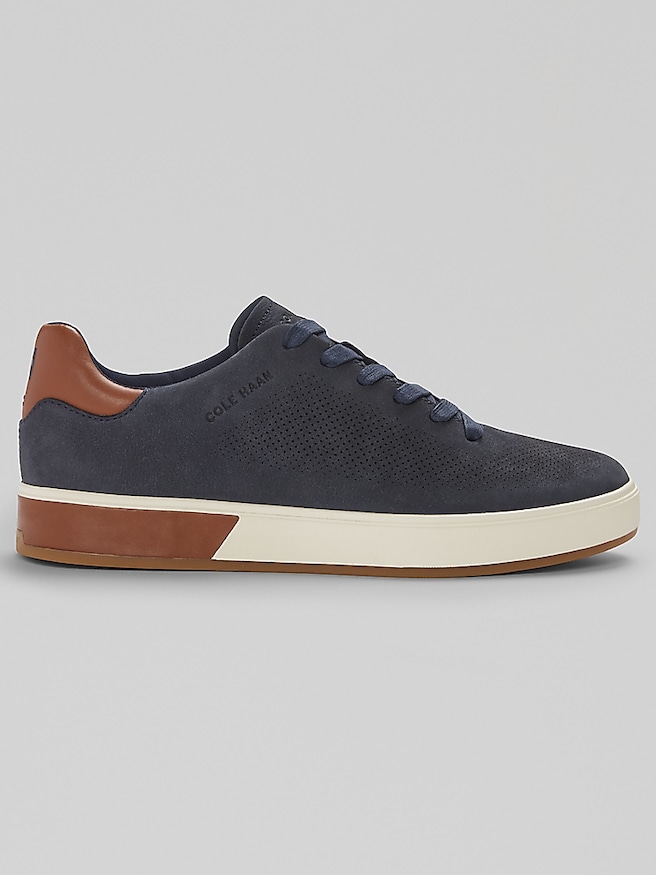
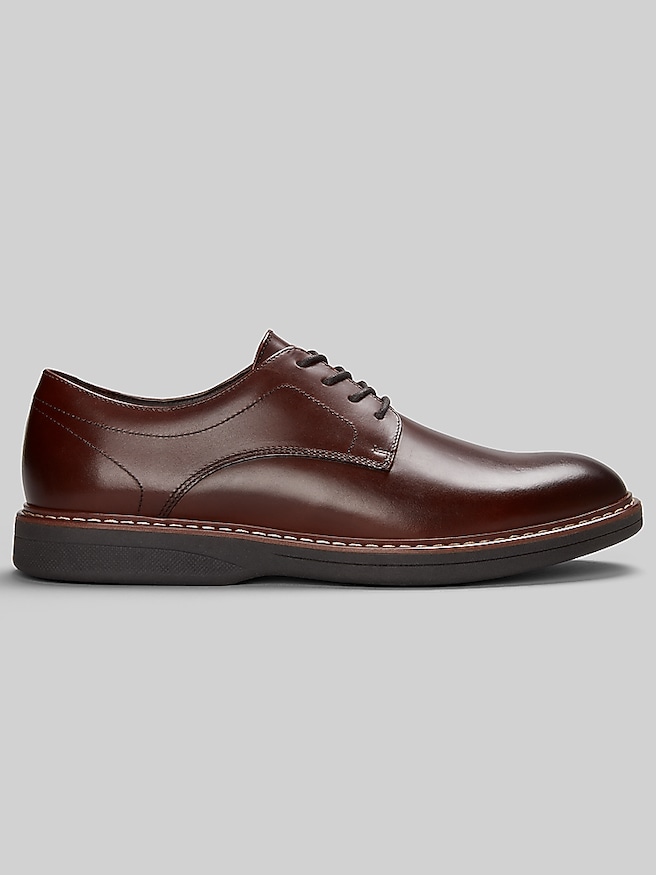
Black athleisure shoes combine the relaxed appearance of sneakers with athletic-inspired details such as cushioned midsoles, flexible uppers, and supportive lace-up construction. Their appeal is versatility: a dark, understated pair can work with joggers on a coffee run, jeans for a casual dinner, or chinos in an office where sneakers fit the dress code. Black also gives sporty footwear a more subdued look, especially when the upper, laces, and sole share the same color. The shape and finish make a noticeable difference. A slim profile with minimal stitching feels cleaner alongside tapered trousers, while a more substantial sole adds visual weight beneath straight-leg denim or relaxed pants. Smooth leather creates a refined surface; mesh and knit bring texture and a more visibly athletic character. Suede offers a softer, matte finish that pairs naturally with textured shirts and casual jackets. These distinctions help explain why two black sneakers can create very different impressions, even without bold logos or contrasting colors. For an understated outfit, black athleisure shoes sit comfortably alongside charcoal pants and a simple polo. With light-colored chinos, they create a stronger contrast that works best when the rest of the outfit stays uncomplicated. A pant hem that rests just above the shoe, rather than bunching around it, keeps the silhouette clear. Black soles maintain a continuous dark line, while contrasting midsoles emphasize the sneaker shape and give the outfit a more casual feel. Athletic-inspired footwear can also make sense with unstructured tailoring when the setting permits, though it does not replace traditional dress shoes for occasions with formal footwear expectations. The category suits men who want an easy transition between commuting, casual workdays, errands, and social plans without building each outfit around a distinctly sporty shoe. Its strongest role is everyday casual wear, with the balance of polish and athletic styling determined by the materials, proportions, and details of each design.
Materials and construction influence how black athleisure shoes feel as much as how they look. Mesh uppers generally allow more airflow and can feel light on the foot, while knit construction may offer a closer, more flexible fit. Leather can provide a more structured feel and a surface that is relatively straightforward to wipe clean, although its softness and flexibility vary with the leather and construction. Suede requires more deliberate care to preserve its nap and even appearance. Overlays around the toe, heel, or lacing area can add structure where an otherwise soft upper needs reinforcement. Inside the shoe, a smooth lining and a well-positioned heel collar help limit rubbing, particularly during longer stretches of walking. Cushioning is another consideration, but softness alone does not determine comfort. Foam midsoles can soften impact underfoot, while a stable base helps keep the shoe from feeling overly yielding during everyday movement. A thicker sole is not automatically more supportive, and a thin, streamlined design is not necessarily uncomfortable; the overall shape, cushioning, and fit matter together. Rubber outsole sections may provide traction and protect areas that receive repeated contact with the ground, although grip varies by tread and surface. Athleisure styling should not be mistaken for a guarantee of running, lifting, or court-sport performance. Dedicated activities may require footwear designed for their particular movements. For everyday use, fit starts with enough room for the toes to move without the heel repeatedly slipping as the wearer walks. The upper should hold the foot securely without squeezing across its widest point, and laces should adjust comfortably rather than pull the sides together under excessive tension. Trying shoes with the socks intended for regular wear gives a more useful sense of fit than relying on size alone. Men who use orthotics may also need sufficient interior depth and a removable footbed, depending on the shoe. A short walk can reveal pressure at the little toe, rubbing at the heel, or an awkward bend across the forefoot that standing still might miss.
Keeping black athleisure shoes looking sharp involves preserving their texture as well as their color. Dark footwear may disguise some marks, but dust, pale scuffs, dried residue, and frayed laces can still stand out against a black upper. Regular light cleaning is usually easier on the materials than allowing buildup to become stubborn. A soft brush can lift loose dirt from seams and textured surfaces before cleaning, while smooth leather often benefits from a lightly damp cloth and a care product suited to its finish. Mesh and knit require a gentler approach that avoids snagging fibers or soaking the shoe unnecessarily. Suede needs its own brush and compatible cleaner rather than the same treatment used for smooth leather. Manufacturer care directions take priority, especially when several materials appear on one upper. Machine washing, direct heat, and harsh cleaning agents can affect adhesives, shape, or surface finishes, so they should not be assumed safe. Letting shoes air-dry away from direct heat and allowing the interiors to dry between wears helps maintain their condition. Durability also depends on where wear occurs: repeated heel dragging can abrade an outsole, while forcing a foot into tied shoes can crush the heel structure. Untying the laces and using a shoehorn can help preserve that shape. For men who rotate between polished casual outfits and more relaxed clothing, black offers a practical starting point because it coordinates with a broad range of neutrals without demanding a matching athletic wardrobe. The broader Athleisure Shoes For Men category offers context for this balance of casual styling and athletic influence. As a gift, this type of footwear makes the most sense when the recipient’s size, preferred fit, and everyday style are already familiar. A minimalist dresser may appreciate a low-profile shape, while someone who regularly wears relaxed denim may favor a more substantial silhouette. The best match reflects how the shoes will actually be worn: walking between appointments, spending a casual day at the office, or heading out for dinner in clothing that feels relaxed but considered.