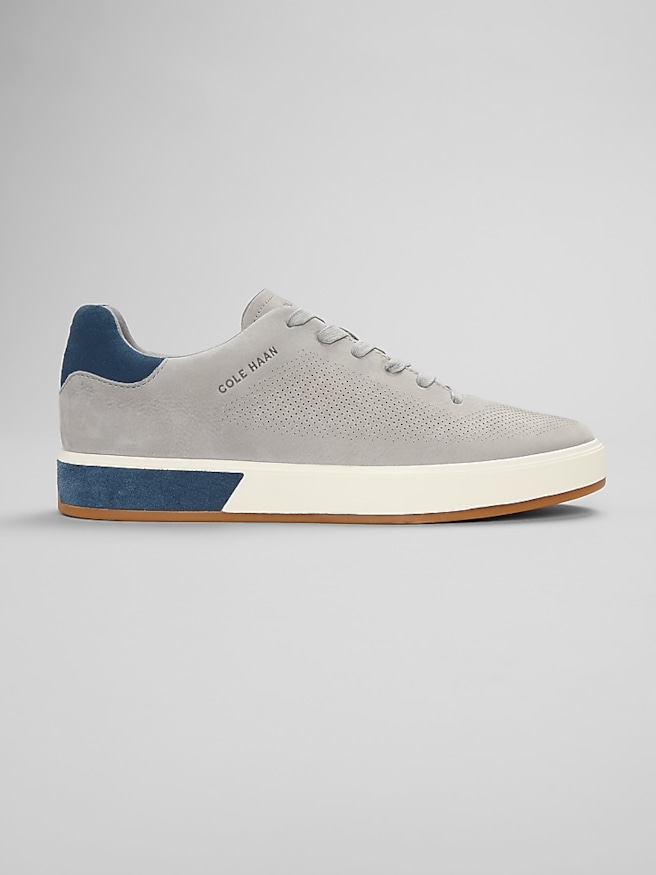
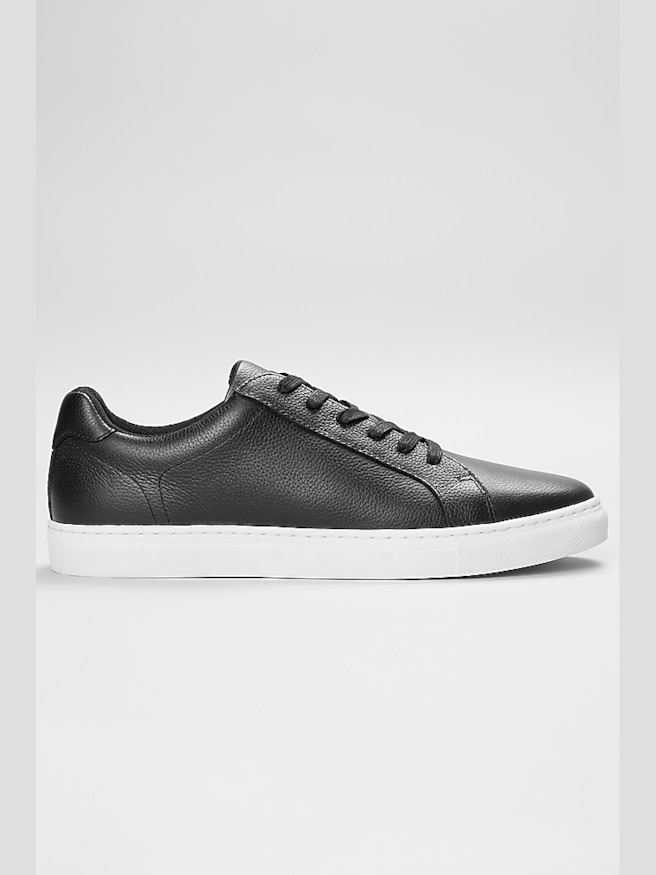
Athleisure shoes are everyday footwear that combines athletic-inspired comfort features with casual styling for walking, commuting, errands, and travel. They occupy the space between dedicated workout shoes and more structured casual footwear, making them a practical choice for days that involve several stops without a complete outfit change. A streamlined shape, flexible construction, and cushioning underfoot can feel at home with joggers while looking equally natural with dark denim or chinos. The appeal is less about dressing for a sport and more about bringing an easy, active sensibility to everyday clothing. Like Sporty Sneakers, athleisure shoes borrow visual details from athletic footwear, though their intended use depends on each shoe’s construction. A pair suited to walking between meetings is not automatically designed for distance running, court sports, or heavy lifting. For a relaxed office dress code, a simple silhouette in a neutral color can work with tapered pants and a knit polo, especially when the shoes are clean and the pant hems sit neatly above them. More pronounced soles, contrasting panels, and textured uppers create a sportier impression alongside a sweatshirt or casual jacket. Proportion makes a noticeable difference: slim pants generally pair easily with lower-profile footwear, while a fuller pant leg can balance a more substantial sole. Keeping the hem from bunching over the shoe helps the whole outfit look intentional rather than unfinished. Travel offers another useful setting for this category, particularly when a day moves from a terminal to a hotel, a museum, and a casual dinner. A restrained design can simplify packing by working across several outfits, but comfort over a long day still depends on fit, support, and the surfaces underfoot. For gatherings and workplaces with clear dress expectations, athleisure shoes belong on the casual side of the wardrobe; their versatility does not make them a substitute for dress shoes at every occasion.
Materials influence both the appearance of athleisure shoes and how they feel through repeated wear. Mesh uppers can allow airflow and create a distinctly athletic look, while knit constructions may offer a softer, more flexible feel around the foot. Leather typically brings a smoother, more structured finish that coordinates easily with polished casual clothing. Suede adds a softer texture, although its surface needs care suited to the nap. Synthetic materials vary widely, from lightweight textile panels to smooth overlays that reinforce areas around the toe or heel. No single material determines overall quality; stitching, lining, sole construction, and the way the upper holds its shape matter, too. Underfoot, cushioning can soften the sensation of each step, but more cushioning is not always a better match for every wearer. An especially soft sole may feel pleasant at first yet less steady than a firmer platform, so balance and a secure fit deserve as much attention as initial softness. Fit should leave room for the toes to move without allowing the foot to slide forward or shift from side to side. The heel should feel held without persistent slipping, and the upper should not pinch across the ball of the foot or press sharply over the instep. Trying shoes on with the socks intended for regular wear gives a more useful impression than judging them with an unusually thick or thin pair. A short walk, a few turns, and a pause while standing can reveal pressure points that are easy to miss while seated. Feet may become slightly fuller over the course of a day, which makes a later fitting helpful for assessing everyday comfort. Laces allow adjustment across the top of the foot, while slip-on designs depend more heavily on how closely the shape matches the wearer. A shoe that feels painful or cramped at the first try should not be treated as a promising fit simply because the material might soften with use. Anyone who wears an orthotic should check that there is sufficient interior space and follow any relevant professional guidance about footwear.
Durability comes from matching athleisure shoes to the way they will be worn and giving their materials appropriate care. Regular walking on sidewalks puts repeated stress on the heel and forefoot, so outsole coverage and visible wear patterns are worth noticing. Rubber in high-contact areas can contribute to traction and wear resistance, while exposed cushioning materials may respond differently to rough surfaces. Tread design matters as well, but an athletic appearance alone does not establish how a shoe will grip a particular floor. Inspecting the soles periodically helps reveal uneven wear, smoothing tread, or separation at the edges before those changes become harder to ignore. The inside deserves attention, too: compressed cushioning, damaged lining, or a heel that no longer holds securely can affect everyday comfort even when the upper still looks presentable. Routine cleaning is usually simpler than restoring shoes after dirt has settled into seams and textures. Remove loose debris with a suitable soft brush, then follow the care directions for the upper rather than assuming every pair can go into a washing machine. Leather, suede, knit, and mesh often need distinct cleaning methods. Avoid saturating the shoes, allow them to air-dry away from direct heat, and let the interiors dry fully before wearing them again. Loosening the laces before taking shoes off helps reduce strain on the heel structure, while alternating pairs gives each interior time to air out. These habits support both appearance and useful wear without requiring an elaborate routine. Athleisure shoes can also make a thoughtful gift for a college student, a frequent traveler, or someone whose daily routine includes plenty of walking between destinations. Familiarity with the recipient’s size, width, preferred colors, and usual clothing makes the choice more personal. The strongest everyday match is a shoe that feels secure, suits the wearer’s activities, and looks natural with the clothes already in regular rotation.