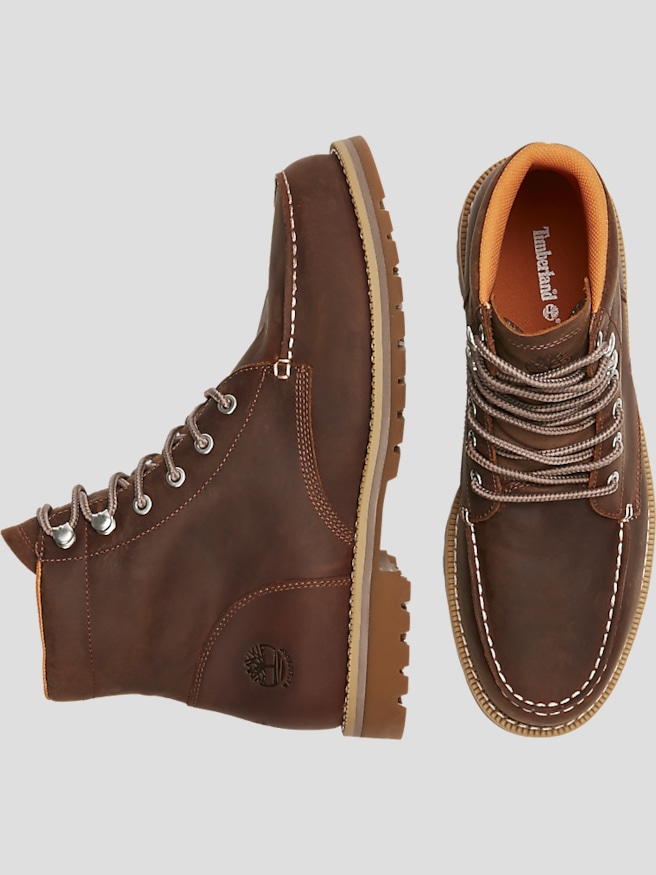
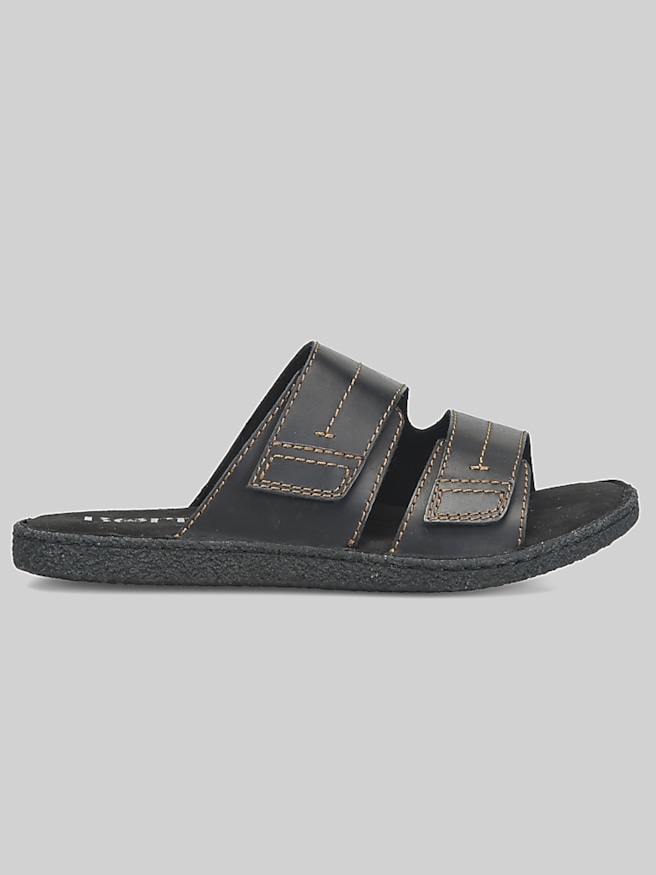
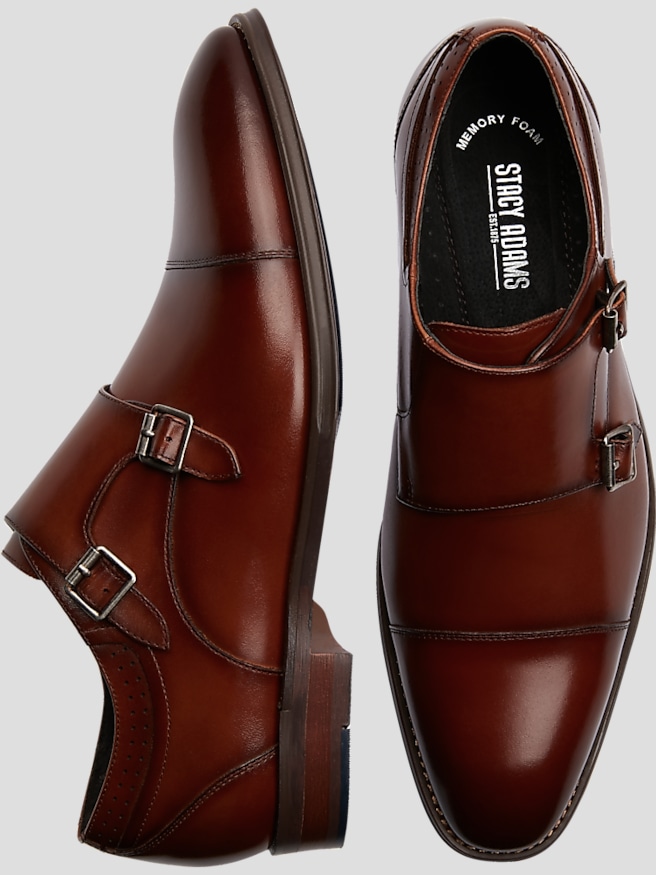
Black men’s shoes bring a clean, grounded finish to outfits ranging from tailored suits to dark denim and a tucked-in shirt. Their appeal starts with the color: black creates a consistent visual line beneath black trousers, adds definition to charcoal tailoring, and offers a sharp contrast against lighter gray fabrics. For business meetings, wedding celebrations, formal dinners, and other occasions that call for a polished appearance, the shape and finish of the shoe help establish the overall tone. An Oxford’s closed lacing gives the upper a compact, streamlined look that works especially well with tailored clothing. A Derby has a more open lacing arrangement and can feel slightly less formal, making it a useful bridge between dress trousers and smart casual outfits. Loafers bring a cleaner, slip-on silhouette, while a restrained buckle detail adds interest without needing a bold color. Plain-toe designs keep the focus on proportion and finish; cap toes introduce a defined line across the front; decorative perforations add texture and a more traditional character. Smooth leather with a modest shine suits many professional settings, while a highly polished or patent finish has a stronger connection to tuxedos and evening dress. For everyday outfits, matte textures and understated soles can keep black footwear from feeling overly formal. The styling possibilities also extend to men’s black summer shoes, with the outfit and occasion helping determine the right balance of structure and ease. Details elsewhere in an outfit matter, too. A black leather belt generally creates a cohesive pairing with black leather dress shoes, although the finishes do not need to match perfectly. Trouser length influences the result: a neat hem allows the shoe’s shape to remain visible rather than disappearing beneath excess fabric. With navy tailoring, black shoes create a composed, traditional combination; with jeans, a simple loafer or understated lace-up can make an ordinary dinner outfit feel more deliberate without turning it into formalwear.
Materials and construction make a meaningful difference in how black shoes look, feel, and hold up to repeated wear. Full-grain leather retains the hide’s natural surface and can develop character with proper care, while other leather finishes may emphasize a smoother, more uniform appearance. Suede offers a soft, textured alternative to polished leather, giving black footwear depth even when the rest of an outfit is simple. Synthetic uppers vary widely in flexibility, breathability, and maintenance needs, so material descriptions are worth considering alongside the intended use. The inside of the shoe deserves equal attention. A smooth lining, a supportive footbed, and seams positioned away from sensitive areas can matter more over a long workday than an elaborate exterior detail. Leather soles often contribute to a sleek dress profile, while rubber soles may offer added cushioning or traction depending on their compound and tread. Neither material alone determines comfort; heel shape, sole flexibility, and the way the upper holds the foot all contribute. Fit should feel secure through the heel and midfoot without pinching across the widest part of the foot. Toes need room to sit naturally, especially during an event that involves standing, walking between venues, or spending time on a dance floor. Some leather uppers soften with wear, but a shoe that is painfully tight should not be expected to become the right size through break-in alone. Different shoe shapes can fit differently even when the size label is the same, and the socks intended for regular wear can affect that fit. Lace-ups allow adjustment across the instep, while loafers depend more heavily on a close match between the shoe’s shape and the wearer’s foot. For a commute followed by several hours at a desk, a stable sole and secure heel can make daily movement easier. For a ceremony followed by a reception, comfort while standing becomes just as important as the shine on the toe.
Keeping black men’s shoes looking sharp is largely a matter of matching their care to their materials and giving them time between wears. Dust and surface marks are more noticeable on some black finishes than others, but gentle, consistent cleaning helps preserve a neat appearance without demanding an elaborate routine. Smooth leather generally benefits from wiping away dirt, conditioning when appropriate, and using a suitable polish to restore color and finish. Heavy layers of polish can build up around creases and seams, so a light application is usually more effective than trying to cover every sign of wear at once. Suede needs a different approach: a brush designed for its nap can lift surface dust and restore texture, while products intended for smooth leather may alter its appearance. Patent and coated finishes also call for care products compatible with their surfaces. Shoe trees can help leather footwear retain its shape between outings, and allowing shoes to dry naturally after wear gives interior moisture time to dissipate. Direct heat can damage some materials and adhesives, making a normal indoor drying environment a better choice. Durability also depends on how a pair is used. A slim dress sole intended primarily for offices and event spaces faces different demands from a thicker sole worn for extensive daily walking. Repeated friction at the heel, separation around the sole, and uneven tread wear are useful signs that attention may be needed; repair options depend on the shoe’s construction. Rotating pairs can give each one a chance to rest rather than carrying the entire workload of a busy week. Black shoes can also make a practical gift for someone beginning a professional role, preparing for graduation, or building a wardrobe for dressier occasions. The most useful choice reflects that person’s routine and established fit, not just the formality of the presentation. A recipient who regularly wears suits may value a traditional lace-up, while someone whose wardrobe centers on chinos and knit shirts may get more use from a simple loafer. Thoughtful attention to shape, comfort, and upkeep helps black footwear remain a dependable part of getting dressed.