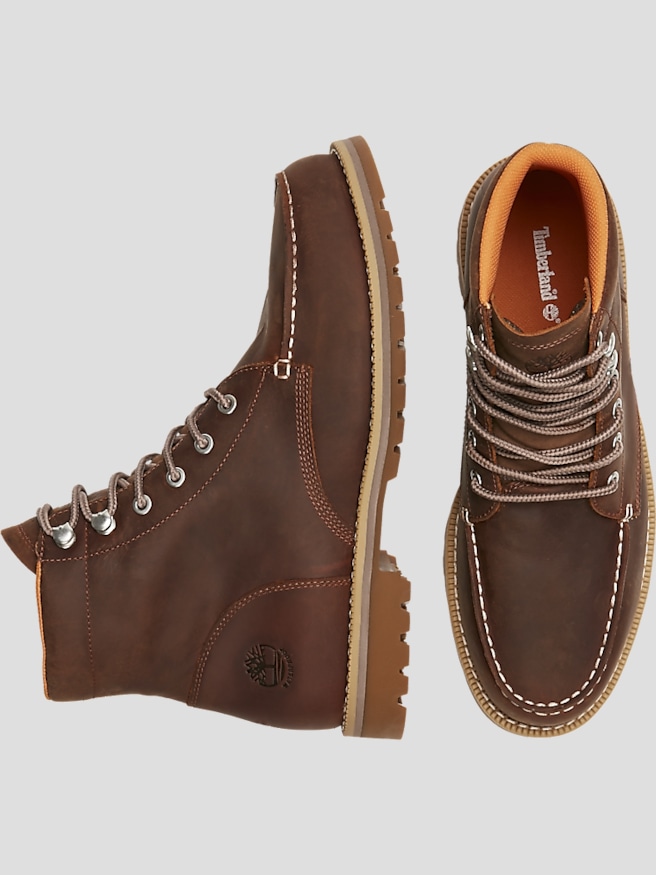
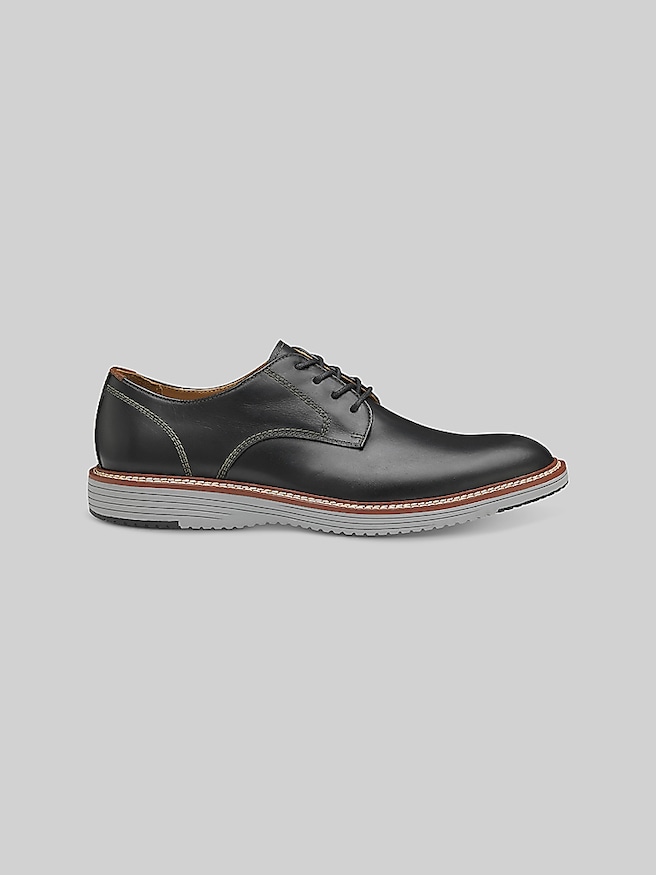
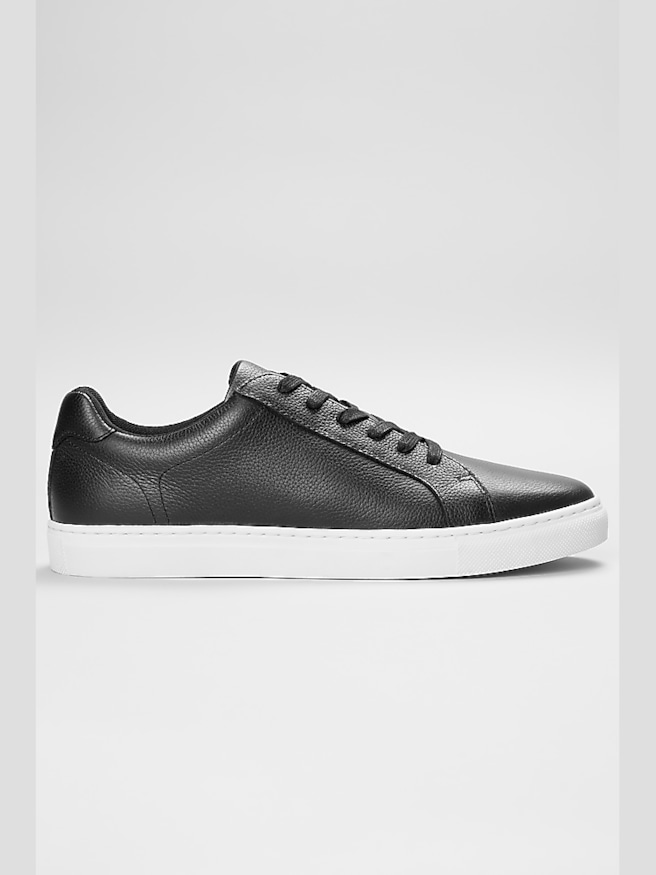
Men’s black summer shoes bring a clean, versatile finish to warm-weather clothing without the visual weight of heavier footwear. The most useful pairs balance a breathable upper, a comfortable fit, and a sole suited to the day ahead, whether that means a commute, an outdoor celebration, or an evening walk to dinner. Black works especially well with light gray trousers, stone chinos, olive shorts, and dark denim, creating a defined contrast that feels put together without demanding a complicated outfit. Shape and texture make a noticeable difference: a smooth leather loafer looks polished beneath tailored pants, while a low-profile canvas or knit sneaker feels relaxed with shorts and a polo. For office settings, understated stitching and a slim silhouette can keep the look neat; for casual weekends, a flexible sole and a little more room through the forefoot may matter more. Materials deserve attention beyond appearance. Mesh and open-knit uppers generally allow more airflow than dense, heavily lined constructions, while canvas offers a familiar, easygoing texture. Unlined leather and perforated leather can feel less enclosed than thickly padded alternatives, although ventilation depends on the entire shoe, including its lining and footbed. Leather also gradually conforms to the foot, but a good fit should feel comfortable from the start rather than depend on a painful break-in period. Suede adds a softer, matte finish that pairs naturally with linen blends and cotton trousers, though it needs protection from moisture and careful cleaning. Black is practical for coordinating a compact travel wardrobe, but it does not make footwear immune to dust, scuffs, or heat from direct sun. A lighter construction can still feel substantial enough for everyday use, especially when the upper holds its shape and the outsole provides dependable contact with the ground. The result is footwear that looks appropriate at a sidewalk café and still feels considered when the setting shifts indoors.
Comfort in black summer shoes comes from how the upper, lining, footbed, and outsole work together, not simply how soft a shoe feels during the first few steps. A cushioned footbed can soften contact with hard pavement, while a stable heel and secure midfoot help limit sliding inside the shoe. For days with substantial walking, enough space for the toes to move and a sole that bends near the ball of the foot are useful qualities. Feet can swell with heat and activity, so fit is best assessed later in the day while wearing the socks intended for that pair. Lace-up styles allow small adjustments across the instep; slip-ons rely more heavily on the match between foot shape and shoe shape. A loafer should stay secure through a normal stride without squeezing the toes or rubbing sharply at the heel. Thin, moisture-managing socks or well-fitting no-show socks can help reduce friction and absorb perspiration, even when the outfit calls for an exposed ankle. Going without socks is not automatically cooler, particularly in footwear with a dense lining. Intended use matters just as much as fit. A streamlined black sneaker can suit casual offices, travel days, and relaxed dinners, while a leather loafer or lace-up dress shoe generally fits more polished occasions. Wedding attire deserves an extra look at the dress code, venue, and amount of standing involved. A garden reception may include grass and gravel, while a ballroom celebration calls for a refined finish that complements the suit. For more occasion-focused styling, Mens Summer Wedding Shoes connects the warm-weather theme with footwear for ceremonies and receptions. Black shoes work particularly well with charcoal and gray tailoring, and they can also anchor a navy outfit when the overall look is formal enough. Linen trousers with a clean hem let a loafer’s shape show, while lightweight wool dress pants create a smooth transition to a more structured shoe. For a long celebration, familiar, properly fitted footwear is a better foundation than a pair worn for the first time at the venue.
Durability is closely tied to both construction and routine care, especially when lightweight shoes see frequent use. Secure stitching, neatly joined materials, and an outsole appropriate for the surface can matter more than bulk alone. Rubber outsoles often provide useful traction for sidewalks and everyday movement, though tread design and surface conditions affect grip. Leather soles offer a traditional dress appearance but need extra attention around wet pavement. Neither a thin upper nor a flexible sole automatically means a shoe is suitable for extended walking, and casual summer footwear should not be assumed to provide the support or protection needed for athletic activity. After wear, allowing shoes to air out before placing them in a closed closet helps moisture dissipate. Alternating pairs gives linings and footbeds more time to dry, which can help preserve their condition and limit odor buildup. Smooth leather benefits from gentle cleaning and occasional conditioning with products suited to its finish; black cream or polish can refresh color when used according to the care directions. Suede needs a dedicated brush and a light touch, while canvas and knit uppers should be cleaned according to the maker’s instructions rather than automatically placed in a washing machine. Direct heat can damage adhesives and stiffen leather, so room-temperature drying is the safer approach for most constructions. Shoe trees can help leather footwear retain its shape between outings, and a shoehorn protects the heel structure when putting on a close-fitting pair. These small habits are useful for anyone relying on one versatile color across work, weekends, and travel. Black summer shoes can also make a thoughtful gift for someone building a professional wardrobe, preparing for a warm-weather getaway, or replacing well-worn everyday footwear, provided their size, width, and preferred style are known. Their usefulness extends beyond hot days to climate-controlled offices, indoor gatherings, and destinations with mild weather. With the right balance of breathability, structure, and care, a black shoe can remain an easy part of a wardrobe as clothing shifts from lightweight separates to fuller layers.