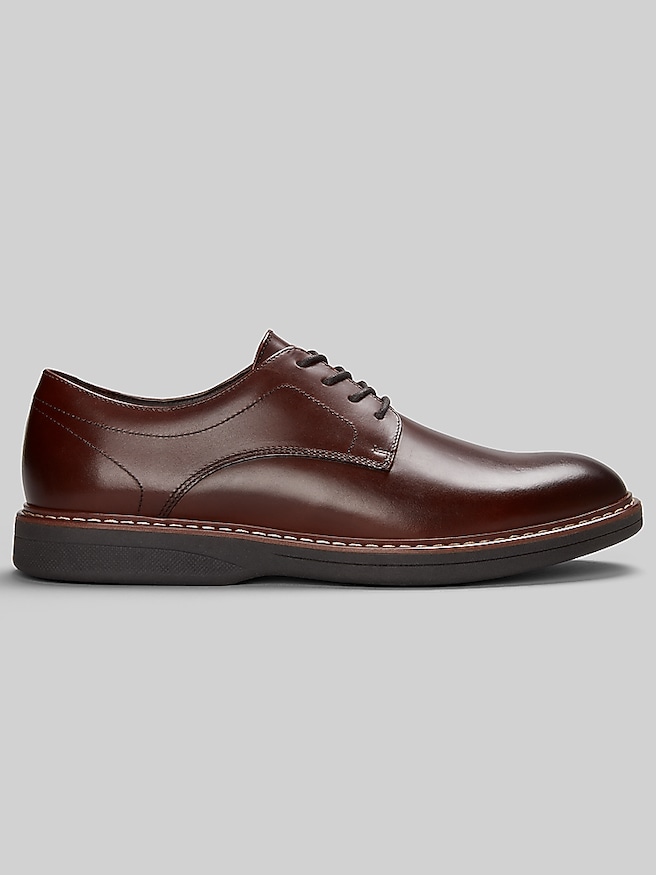
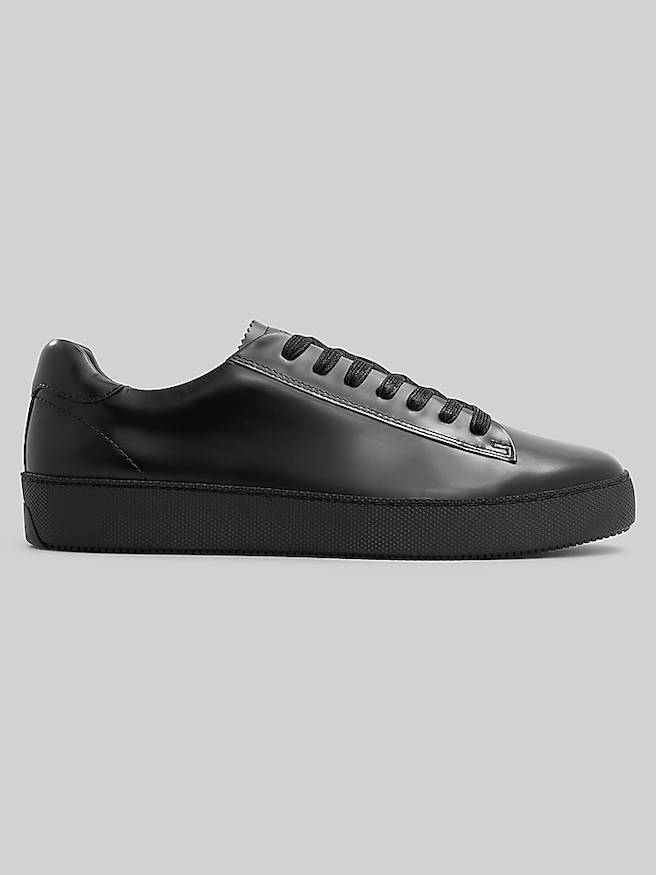
Black designer shoes for men bring together a versatile color, distinctive design, and footwear styles that range from polished dress shoes to refined sneakers. The category includes lace-up oxfords, derbies, loafers, monk straps, boots, and casual silhouettes, with each offering a different balance of formality and ease. An oxford’s closed lacing creates a clean, compact profile that complements a tailored suit, while a derby’s open lacing gives the upper a more relaxed appearance and allows greater adjustment across the instep. Loafers offer a slip-on alternative, with penny straps, tassels, or metal accents adding character without laces. Designer details can be subtle: the curve of a toe, the placement of a seam, a carefully shaped heel, or the contrast between a smooth upper and a textured sole. A designer label alone does not establish how formal or durable a shoe will be; materials, construction, and shape matter more to its intended use. For an interview, client presentation, or traditional wedding, smooth black leather with restrained detailing keeps the overall look focused and composed. Patent leather delivers a reflective finish often associated with tuxedos and formal evening attire, while matte leather or suede gives black footwear a softer visual presence. Decorative perforations, substantial soles, and prominent hardware generally make a style feel less formal than an otherwise similar plain design. Black designer sneakers have a place with denim, chinos, and relaxed tailoring when the dress code allows, particularly when their lines are simple and their uppers are well maintained. Matching black footwear with a black leather belt creates an easy connection across an outfit, though textures do not need to be identical. With navy or charcoal trousers, black shoes provide a crisp foundation; with black trousers, differences in texture help the outfit retain depth. The most useful choice is a silhouette that fits both the wearer’s wardrobe and the places it will go.
Materials and construction determine much of how black designer footwear feels, wears, and responds to care. Smooth leather can develop creases and a subtle patina through regular use, while suede has a brushed surface that absorbs light and emphasizes texture. Patent leather has a glossy coating that creates a distinctly formal appearance but needs care suited to that finish. Full-grain leather retains the hide’s natural surface, while other leather finishes may be treated for a more uniform look; the material description is more informative than appearance alone. Linings matter as well, especially where the heel and sides of the foot make contact. A smooth interior, neatly finished seams, and a secure heel can make a noticeable difference during a long reception or a workday that includes walking between meetings. Leather soles offer a traditional profile, while rubber soles can provide cushioning and traction, depending on their compound and tread. Neither material guarantees comfort or grip on every surface. Construction also affects flexibility and repair options: some welted shoes can be resoled by a qualified cobbler, while repairability in other designs depends on how the upper and sole are joined. Fit remains essential regardless of the label or construction method. Toes need room to move without being forced against the front, the widest part of the foot should sit comfortably within the shoe, and the heel should feel secure without rubbing. A sleek toe can extend beyond the toes without indicating that the shoe is too long, so overall fit matters more than appearance at the tip. Trying shoes with the socks intended for wear gives a more realistic sense of volume. An evening dress sock and a cushioned everyday sock can change how the same size feels. Leather may soften with wear, but persistent pinching, numbness, or pressure across the forefoot is not a sound basis for expecting a comfortable fit later. For someone who stands through events, cushioning, support, and a stable sole deserve as much attention as the view beneath a trouser hem.
Thoughtful care helps black designer shoes retain their shape and finish, particularly when they serve several roles in a wardrobe. Dust and grit can dull leather and collect around seams, so a soft brush or cloth is useful after wear. Smooth leather generally benefits from occasional conditioning and an appropriate cream or polish, following the footwear maker’s directions and testing care products on an inconspicuous area first. Black polish can refresh color and cover minor surface marks, but it cannot reverse deep damage or replace conditioning when the leather needs it. Suede calls for a dedicated brush and suitable cleaner rather than standard leather polish; patent finishes need a compatible cleaning method that preserves the coating. Cedar shoe trees can help absorb residual moisture and support the shape of suitable leather styles, while a shoehorn reduces strain on the heel when putting shoes on. Letting footwear air between wears and storing it away from direct heat helps protect the uppers and interior. Attention to worn heels and thinning soles can also prevent a small maintenance issue from becoming more extensive damage. These practical details make a difference for the man who reaches for black lace-ups before an important meeting, changes into loafers for dinner, or keeps a formal pair ready for milestone celebrations. As a gift, black designer footwear works best when the recipient’s size, width, and preferred silhouette are already known; a familiar fit and a useful style are more personal than a dramatic detail that never leaves the closet. For a broader perspective on shapes and finishes, Men's Designer Footwear connects this versatile color with the wider footwear category. Whether the goal is understated polish or a stronger design statement, well-chosen black shoes earn their place through comfortable proportions, considered materials, and a clear role in everyday dressing.