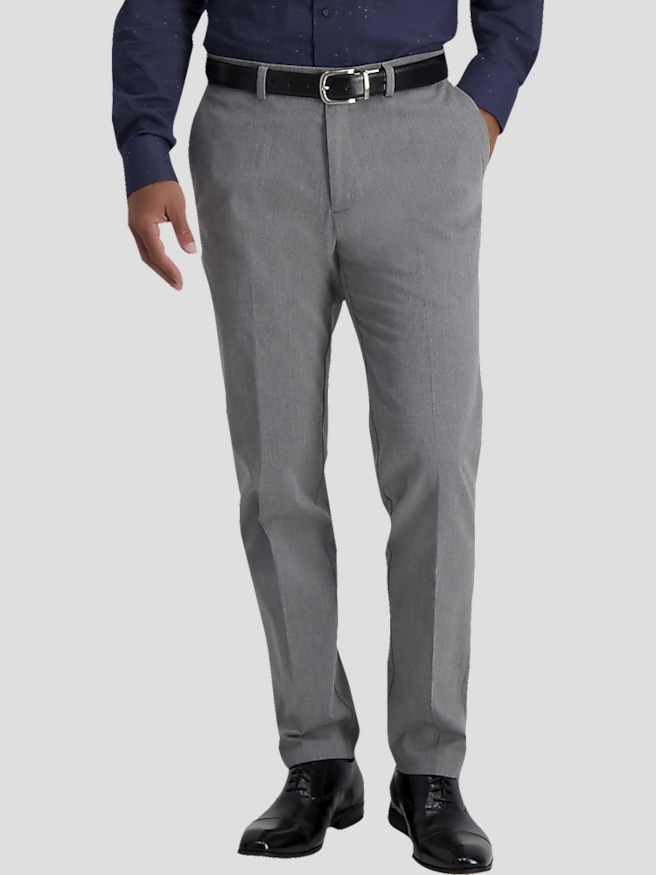
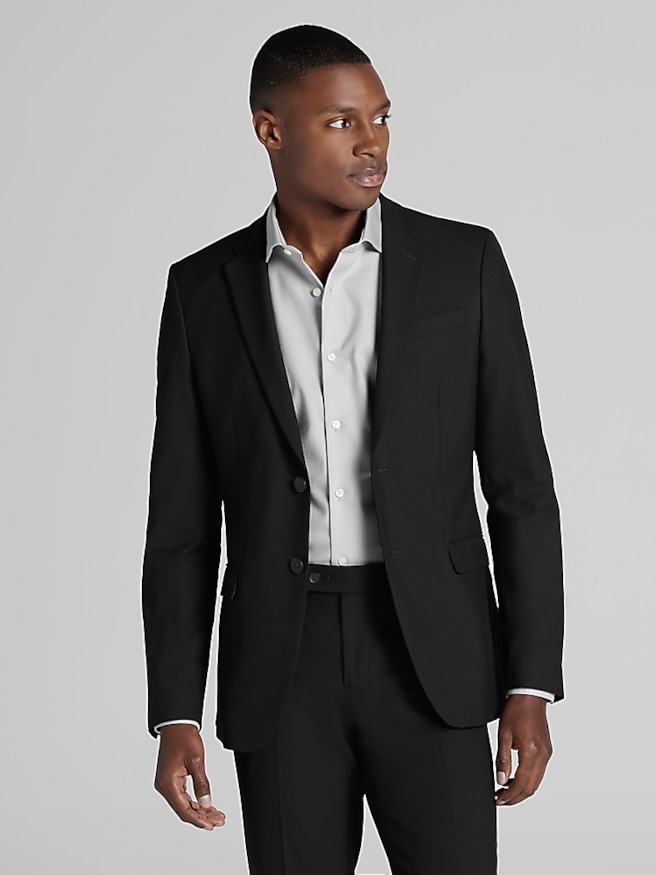
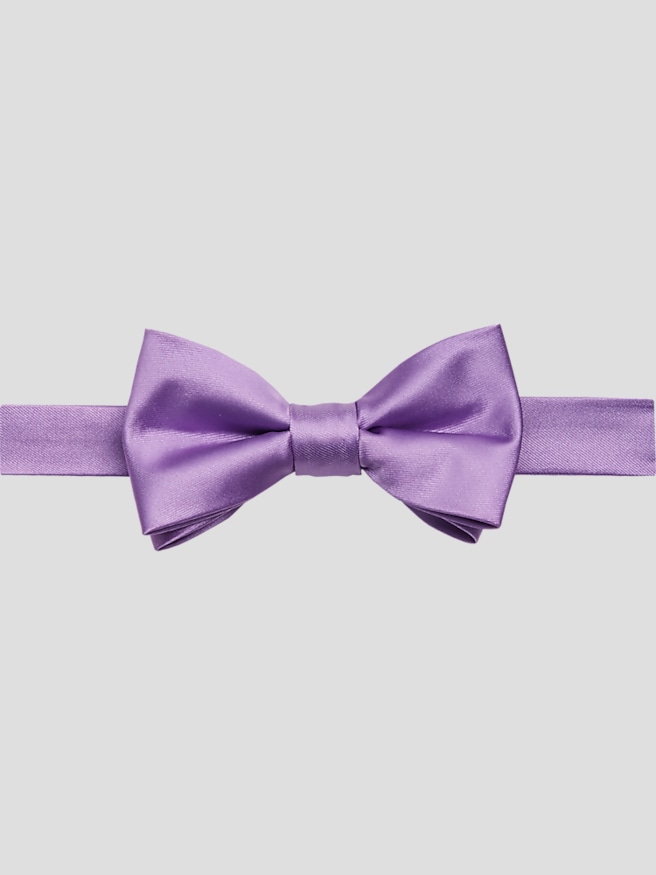
A black and burgundy wedding pairs the depth of black with the rich red tones of burgundy for a romantic, formal look that can feel classic, vintage-inspired, or subtly gothic. In wedding attire, black supplies a crisp foundation, while burgundy brings color without the brightness of scarlet. The combination works especially well with the clean lines of suits and tuxedos, where a jacket, waistcoat, tie, or pocket square can carry the color story. A black suit with a burgundy tie offers a restrained interpretation; a burgundy jacket with black trousers makes the contrast more pronounced. For a groom, that distinction can create a clear focal point without separating the outfit from the rest of the wedding party. Groomsmen can echo the palette through coordinated accessories, while fathers and other honored guests can use smaller touches of burgundy to connect with the celebration. White shirts provide a bright break between the darker shades and make the shape of a tie or bow tie more visible in photographs. Black shirts create a more tonal effect, although the invitation’s dress code remains the best starting point for deciding how formal an outfit should be. A black-tie celebration generally calls for a tuxedo rather than a standard business suit, while many formal and cocktail celebrations leave more room for tailored separates. Burgundy also spans a range of shades, from red-forward wine tones to deeper colors with brown or purple undertones. Keeping those undertones reasonably consistent helps coordinated clothing look intentional without requiring every accessory to match exactly. Couples drawn to stronger red accents may also find inspiration in the Red And Black Wedding Theme, while burgundy offers a deeper, more muted expression of the same contrast. Against black tailoring, even a small burgundy detail can remain visible, making the palette effective for both understated outfits and more expressive wedding looks.
Fabric and finish give black and burgundy wedding attire much of its character. Smooth wool suiting offers a clean drape and a lightly textured surface that keeps dark colors from looking flat. Wool blends can bring additional structure or wrinkle resistance, depending on their composition, while stretch blends may provide extra flexibility through seated dinners, long ceremonies, and time on the dance floor. Velvet gives burgundy a particularly rich appearance because its pile catches light unevenly, creating depth across the jacket rather than a single uniform shade. Satin details introduce a sharper sheen, especially along tuxedo lapels or the face of a bow tie. The contrast between matte cloth and polished accents often does more for an outfit than adding several competing patterns. A burgundy tie with a subtle woven texture, for example, can stand out against a smooth black jacket without needing a bold print. Cotton dress shirts offer a familiar, breathable foundation, and a clean collar shape helps frame both traditional ties and bow ties. Fit matters just as much as fabric: jacket shoulders should sit cleanly, the front should close without obvious pulling, and sleeves should allow a little shirt cuff to show. Trousers need enough room through the seat and thighs for sitting comfortably, with a hem that meets the shoes neatly rather than gathering heavily above them. Slim, tailored, and more relaxed cuts create distinct silhouettes, so a coordinated wedding party does not need identical fits to look cohesive. Consistent color, formality, and finishing details can tie the group together while allowing each person a comfortable shape. Black leather dress shoes provide a natural foundation for the palette, with the level of shine reflecting the formality of the clothing. Accessories look most considered when they support one main accent: a burgundy bow tie can carry the theme on its own, while a pocket square with just a trace of burgundy offers a quieter connection. That balance keeps the focus on the person wearing the outfit rather than on a collection of matching details.
Wedding clothing also needs to hold its shape beyond the first photograph. A full celebration can include standing for the ceremony, sitting through dinner, greeting relatives, and moving between indoor spaces, so ease through the shoulders, waist, and knees has a practical purpose. Sound seams, secure buttons, a stable waistband, and a lining that lies smoothly all contribute to how tailoring feels over several hours. Dark cloth can make lint and surface marks noticeable, particularly in close-up pictures; a fabric-appropriate clothing brush or lint roller can help maintain a clean finish. Care should follow each garment’s label, since wool, velvet, satin, and blended fabrics do not all respond to the same treatment. Structured jackets generally benefit from supportive hangers and room in the closet, while trousers hold a neater line when hung carefully rather than folded into a crowded drawer. Velvet needs particular attention to avoid crushing its pile, and direct ironing is not suitable for every fabric or finish. Professional cleaning, when specified, and prompt attention to stains help protect the appearance of clothing intended for repeated wear. That longer view suits this color combination well. Black tailoring can move into other formal occasions, and burgundy accessories can bring the wedding palette back into anniversary dinners, milestone celebrations, or dressier evening events without recreating the entire outfit. For wedding-party gifts, ties, pocket squares, or cuff links can serve as meaningful finishing touches when they suit the recipient’s wardrobe and the event’s dress code. Coordinating does not have to mean uniformity: a groom in a statement jacket, attendants in black suits, and close family wearing restrained burgundy accents can all belong to the same visual story. In photographs, the strongest effect often comes from clean proportions, consistent levels of formality, and enough contrast to distinguish each layer. Black and burgundy wedding attire brings those elements together through rich color and familiar tailoring, with room for both a traditional ceremony look and a more individual reception style.