Big and tall suspenders are designed to support trousers comfortably on longer torsos, broader builds, or both, with strap length and adjustment range that accommodate more than a standard fit. Rather than relying on pressure around the waist, suspenders hold the waistband from the shoulders, helping trousers maintain their intended position while standing, sitting, or walking. That makes them a practical option for men who find that a belt pinches when seated or that their trousers slip even when the waist fits well. The key distinction is usable length: a taller frame needs enough strap to travel over the shoulders without pulling the waistband upward, while a broader chest or fuller midsection can also require additional length. Height alone does not determine the right size, since torso proportions, trouser rise, and preferred waistband position all affect fit. A measurement taken from the front attachment point, over the shoulder, to the back attachment point provides a useful starting point when compared with the maker’s sizing instructions. Some measurements describe an unstretched strap, while others describe an adjustable range, so the measurement method matters as much as the number. A comfortable fit leaves room for adjustment rather than requiring the straps to stay at their longest setting. Strap width contributes to the feel, too: a wider band can distribute pressure across more shoulder area, while a narrower profile creates a less prominent visual line. Elastic webbing allows some give as the body moves, and woven straps with an elastic section can combine a structured appearance with flexibility. Leather components add texture but generally provide less stretch, making accurate adjustment especially important. Big and tall sizing is therefore about proportion and usable room, not simply choosing the longest pair. Suspenders should lie flat across the shoulders and chest, supporting the trousers without digging in, twisting, or forcing the waistband higher than it naturally belongs.
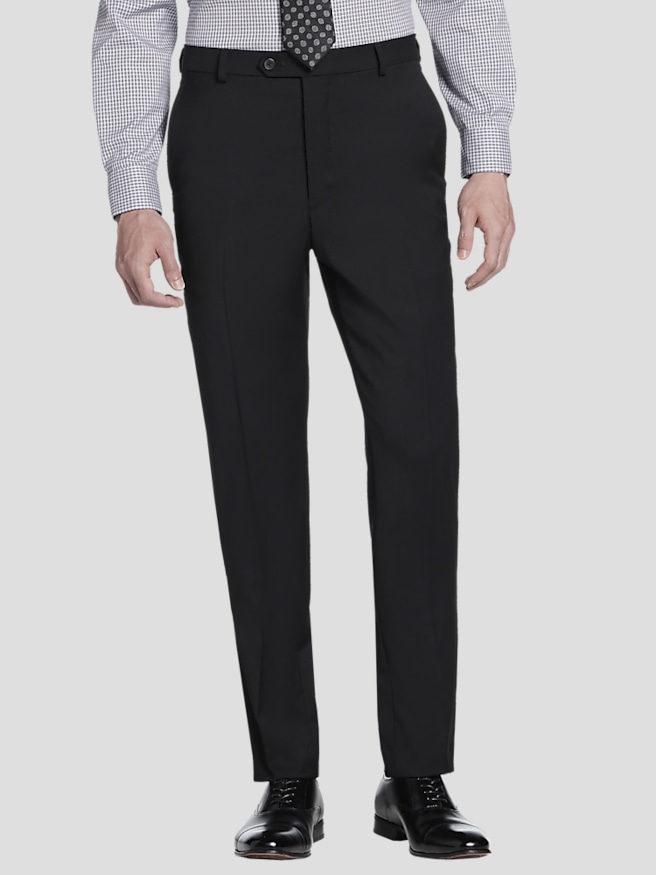
Attachment style shapes both the appearance and the everyday usefulness of big and tall suspenders. Clip-on attachments fasten directly to the waistband, making them convenient for trousers that do not have suspender buttons. Their grip depends on the clip construction and the thickness and finish of the waistband; a secure attachment should hold without repeatedly slipping or visibly marking the fabric. Button attachments connect to designated buttons inside or outside the waistband, creating a traditional finish often associated with tailored clothing. Button Suspenders suit trousers constructed for that connection, and a tailor can assess whether a waistband can accommodate properly positioned buttons when they are not already present. Those attachment points need to align with the straps so the pull remains balanced rather than bunching the front of the trousers. Back construction is another meaningful distinction. A Y-back brings the straps together into one rear strap, offering a clean line under a jacket or vest; an X-back crosses behind the shoulders and connects at two rear points. Neither configuration guarantees a better fit for every build, because strap placement and adjustment still determine how the suspenders sit. With dress trousers, a comfortable rise gives the waistband a natural place to rest and allows the fabric to drape without being hoisted upward. For a wedding, a business presentation, or an evening celebration, solid colors and subtle textures can complement a shirt and tie without competing for attention. Black, navy, and muted neutrals provide understated contrast, while a stripe or small repeating pattern can add character when the shirt is simple. A matte woven finish feels different from a smooth, lustrous fabric, even in the same color. Suspenders are traditionally worn without a belt, which keeps the waist visually uncluttered and avoids two support systems working against each other. Under a jacket, flat hardware and neatly adjusted straps help preserve the tailored silhouette; worn visibly over a shirt, proportion and color become more noticeable parts of the outfit.
Durability in big and tall suspenders comes from the relationship between the straps, stitching, adjusters, and attachments rather than from any single material. Elastic should recover after ordinary movement instead of remaining stretched, while woven fabric benefits from tidy edges that resist fraying. Reinforced stitching at attachment points helps manage the repeated pull of daily wear, and smooth hardware is less likely to snag a shirt or catch on the trouser waistband. Adjusters need to hold their position through routine movement without requiring frequent correction. For someone who spends much of the day seated at a desk or driving between appointments, straps that flex without losing their setting can make a noticeable difference in comfort. For someone dressing for a long ceremony and reception, the fit should remain comfortable through sitting, standing, and time on the dance floor. Trying the suspenders with the intended trousers provides a more useful impression than checking them over an unrelated outfit, since waistband height changes the distance the straps must cover. Care also affects how long the materials retain their shape and finish. The maker’s care instructions take priority, particularly when elastic, leather, and metal are combined. Many constructions call for gentle spot cleaning rather than machine washing, and soaking can affect leather components or metal finishes. When spot cleaning is permitted, a lightly damp cloth and a cleaner appropriate to the material can address marks without saturating the straps. Air drying away from direct heat helps protect elastic and leather, while storage without tight knots or heavy objects pressing on the hardware reduces unnecessary strain. Periodic checks for loose stitching, weakened elastic, or rough attachment edges can identify wear before it affects a favorite pair of trousers. Suspenders can also make a thoughtful gift for a father, partner, graduate, or friend who enjoys tailored clothing or prefers shoulder-supported trousers. Knowing the recipient’s measurements, usual trouser style, and attachment preference makes that gift more personal and practical. The most useful pair brings those details together: sufficient length, comfortable support, dependable connections, and a look that fits naturally into the wearer’s wardrobe.