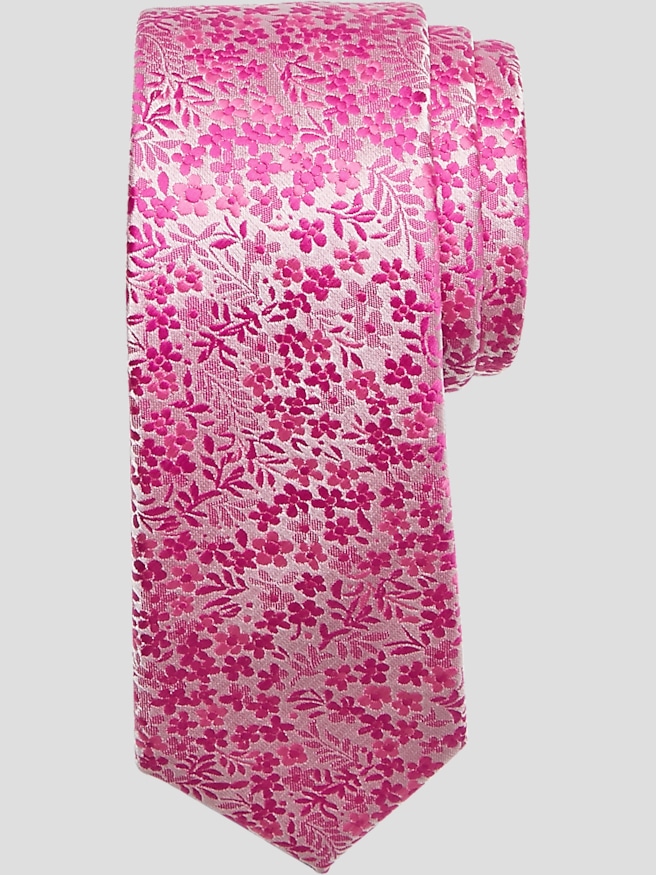
Finding the right tie begins with proportion. Big and tall ties are designed with additional length and a balanced width to complement broader shoulders, longer torsos, and fuller neck sizes without forcing the knot or tie tip into an awkward position. Standard neckties commonly measure about 57 to 58 inches, while extended-length options often measure approximately 63 inches and may reach 70 inches for especially tall or larger builds. That extra fabric can make a noticeable difference: it allows the front blade to reach the waistband or belt buckle while leaving enough room for a comfortable knot and a neatly controlled tail. A 63-inch tie is often a practical starting point for someone over 6 feet 1 inch or anyone with a longer torso, while a tie near 70 inches may be better suited to someone significantly taller or with a larger neck. Personal preference, knot choice, and shirt collar style also matter. A traditional four-in-hand knot uses less fabric and creates a slightly narrower shape, while a half Windsor or full Windsor requires more length and produces a fuller, more symmetrical appearance. For many big and tall dressers, an extra-long tie paired with a classic width of roughly 3.4 to 3.5 inches creates an even visual balance with broad shoulders and substantial suit or sport coat lapels. The finished look should feel intentional rather than stretched: the tie should lie flat, the knot should sit comfortably at the base of the collar, and the tip should land close to the center of the belt buckle.
Color and pattern are equally important when building a useful tie collection. Solid shades offer dependable versatility for workdays, interviews, ceremonies, formal dinners, and other settings where a polished appearance matters. Deep navy, charcoal, burgundy, forest green, and muted brown can bring depth to a blue, gray, tan, or black suit while remaining easy to coordinate with patterned dress shirts. Stripes can add a traditional business feel, while small geometric designs, dots, textured weaves, and restrained paisley patterns provide visual interest without overwhelming a larger frame. When choosing a tie for a specific outfit, consider contrast: a darker tie against a lighter shirt creates definition, while a medium-toned tie can soften a high-contrast combination. The tie should share at least one color with the shirt, jacket, pocket square, or other accessory, but it does not need to match every element exactly. Fabric can influence the impression as well. Silk has a smooth finish and natural drape that suits formal occasions, while woven textures can add dimension during the cooler months and pair naturally with wool, flannel, corduroy, and heavier suit fabrics. A tie with a little visual texture can also help anchor an outfit when the jacket and shirt are both solid. Before choosing, check the full length, stated width, fabric composition, care instructions, and return information. It is helpful to measure a favorite tie from the top of the knot to the tip, then compare that measurement with the available extended lengths. A well-chosen tie should accommodate the wearer’s preferred knot and collar without requiring an unusually tight wrap or leaving a long, distracting tail.
Big and tall ties can make thoughtful gifts for a father, husband, partner, brother, son, colleague, or friend who regularly dresses for the office or attends formal events. They are especially useful for someone who has had difficulty finding neckwear that reaches the proper position, or for a tall dresser whose standard ties consistently finish above the belt. A gift selection can reflect the recipient’s routine: a solid tie in a versatile shade may become a dependable choice for presentations and ceremonies, while a distinctive pattern can bring personality to family gatherings, celebrations, and evening occasions. During the transition into cooler weather, richer colors and subtle woven textures work well with layered tailoring and seasonal fabrics, while classic navy, gray, and burgundy remain appropriate across the broader fall and early winter period. For festive dressing, a tasteful seasonal pattern can add character without making the tie difficult to wear beyond one event; explore Christmas Big & Tall Ties for options suited to holiday gatherings and gift giving. At home, store ties by hanging them loosely or rolling them gently to help prevent permanent creases, and loosen the knot before removing one from the collar. When dressing, fasten the shirt collar, center the knot, and check that the front blade reaches the belt area. These small details help an extended-length tie sit cleanly and comfortably, giving a big and tall suit outfit the same refined finish as any carefully tailored look.