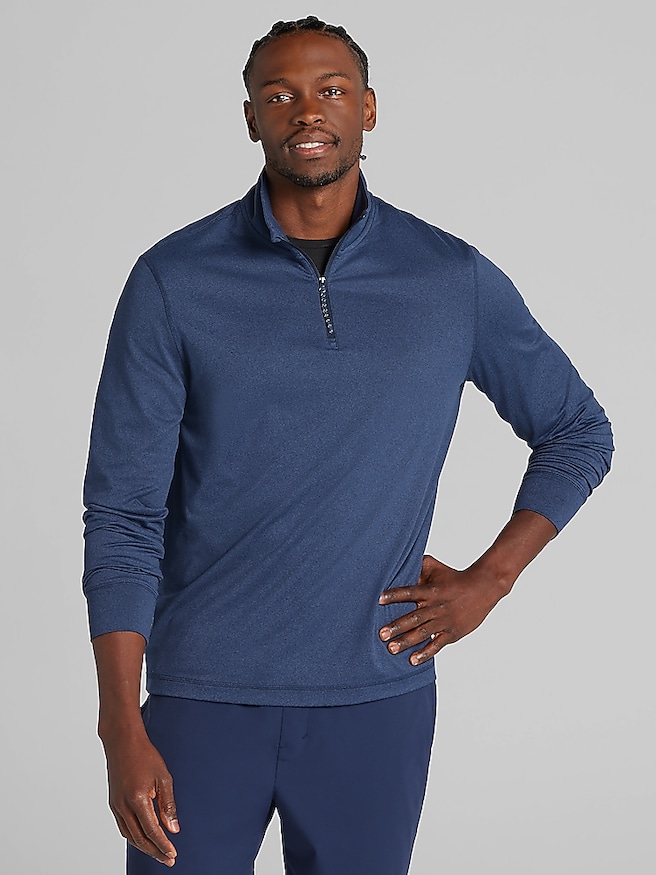
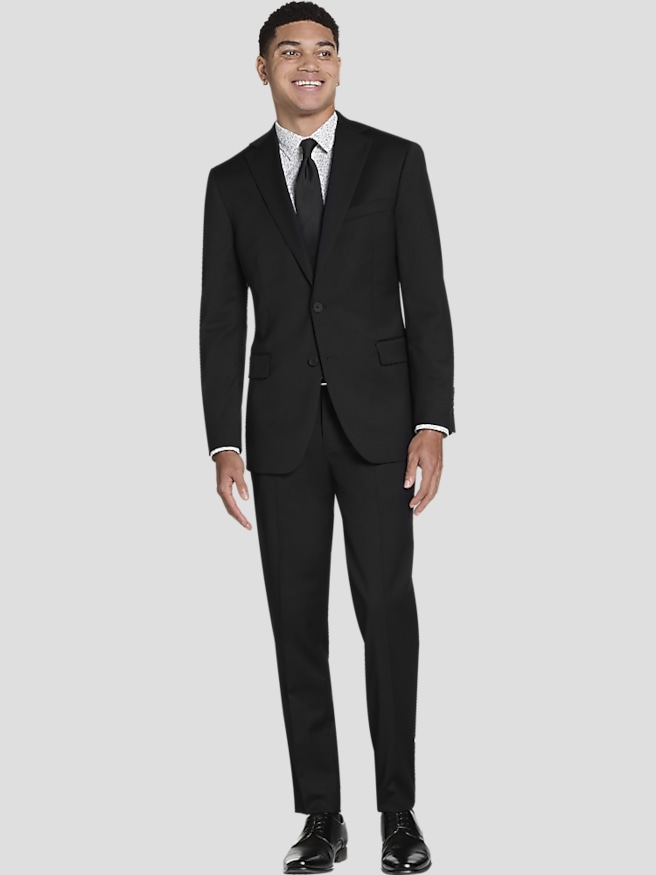
Big and tall casual jackets are everyday outer layers designed with proportions that account for a broader build, greater height, or both. A comfortable fit depends on more than extra room around the waist: shoulder placement, chest width, sleeve length, and torso coverage all affect how a jacket sits and moves. Big sizes generally provide additional room through the body, while tall sizes typically add length through the sleeves and torso; exact measurements vary by maker and style. The right proportions help keep cuffs near the wrists when reaching for a steering wheel and prevent the hem from riding up excessively when sitting down. There should be enough space for the layers underneath without loose fabric bunching beneath the arms or across the back. With the front fastened, the chest should lie comfortably rather than pull into horizontal creases, and the shoulders should allow easy movement without feeling tight. These details matter whether the jacket is headed to a casual workplace, a weekend lunch, or an evening in the stands. Bomber jackets offer a compact silhouette, often with ribbed cuffs and a defined waistband, while shirt jackets have a relaxed, overshirt-inspired shape that works well over tees and lightweight knits. Field-style jackets typically provide more coverage and practical pocket space, and fleece jackets bring soft warmth to low-key outings. Each shape has its own proportions: a bomber can sit closer to the hips, while a longer casual jacket may extend below them. Neither length needs to look oversized when the shoulders and sleeves fit properly. For someone with a long torso, adequate back coverage can be especially noticeable when bending to tie a shoe or lifting a bag into the car. For a broader chest or upper arms, ease through the upper body makes layering more comfortable without requiring an unnecessarily long hem. Together, those fit details give big and tall outerwear its everyday usefulness.
Fabric helps determine how a casual jacket feels, how much warmth it provides, and where it works best. Cotton twill and canvas have a substantial hand that pairs naturally with denim and chinos, though fabric weight and lining make a considerable difference in warmth. Uncoated cotton is not intended to provide dependable rain protection, so its appeal is often its texture, breathability, and familiar feel. Brushed flannel adds softness to a shirt jacket, with lined versions providing more insulation than an unlined overshirt. Fleece can provide warmth without much weight, making it comfortable for cool mornings and indoor-outdoor routines, although an open fleece construction may let wind pass through. Nylon and polyester shells are commonly used for lightweight outerwear because they can provide a smooth, low-bulk surface and dry relatively quickly. Wind resistance and water resistance depend on the fabric construction and any applied finish, not simply the fiber name. A water-resistant jacket can help with brief exposure to light precipitation, but it should not be treated as equivalent to a waterproof garment built for sustained rain. Quilted styles hold insulation in place and can provide warmth with a tidy profile; their performance depends on the fill, its amount, and the overall construction. A light shell may be enough for the walk from a parking lot to an office, while a lined jacket is more useful during a long stretch outside in cooler weather. Small construction details become noticeable with repeated wear. A zipper that moves smoothly, securely attached snaps, neatly finished seams, and reinforced pocket openings all support everyday function. Ribbed cuffs can help limit drafts, while adjustable cuffs make room for a shirt sleeve or watch. Pocket placement matters, too: hand pockets should be easy to reach, and a secure interior pocket can keep small essentials close without overloading the jacket’s outer shape. Durability comes from that combination of suitable fabric, sound construction, and use appropriate to the garment.
The appeal of big and tall casual jackets is how easily they fit into an established wardrobe. A clean-lined jacket over a polo and chinos looks relaxed but considered for a workplace with a casual dress code, while a textured shirt jacket over a crewneck tee feels at home with jeans and sturdy everyday shoes. Navy, charcoal, olive, and earthy brown tones are straightforward companions to familiar pants and shirts, and subtle texture can add interest without a bold pattern. For additional warmth, Big And Tall Casual Sweaters provide another layering option beneath a jacket with sufficient room through the chest and sleeves. A fine-gauge knit takes up less space than a chunky sweater, so the thickness of the intended layer belongs in any fit assessment. Trying the jacket while seated, reaching forward, and moving both arms gives a more useful sense of comfort than standing still in front of a mirror. Care also plays a part in keeping that fit and finish intact. The garment’s care label should determine whether it can be machine washed, needs professional cleaning, or requires another method. Excessive heat can shrink some fabrics, affect elastic components, or damage certain finishes, and fabric softener may be unsuitable for performance materials. Emptying pockets before cleaning, attending to marks according to the care instructions, and allowing a jacket to dry fully before putting it away help preserve its condition. A supportive hanger suits many structured jackets, while heavier knits or fleece styles may benefit from folded storage when recommended to avoid stretching. As a gift for a partner, father, brother, or friend, a casual jacket is most useful when the recipient’s measurements, preferred layers, and daily routine are known. Someone who spends much of the day driving may appreciate a lighter, shorter shape; someone who regularly walks outside may value added coverage and a higher collar. Those practical distinctions make an everyday jacket feel well chosen, comfortable, and ready for repeated wear throughout the cooler months.