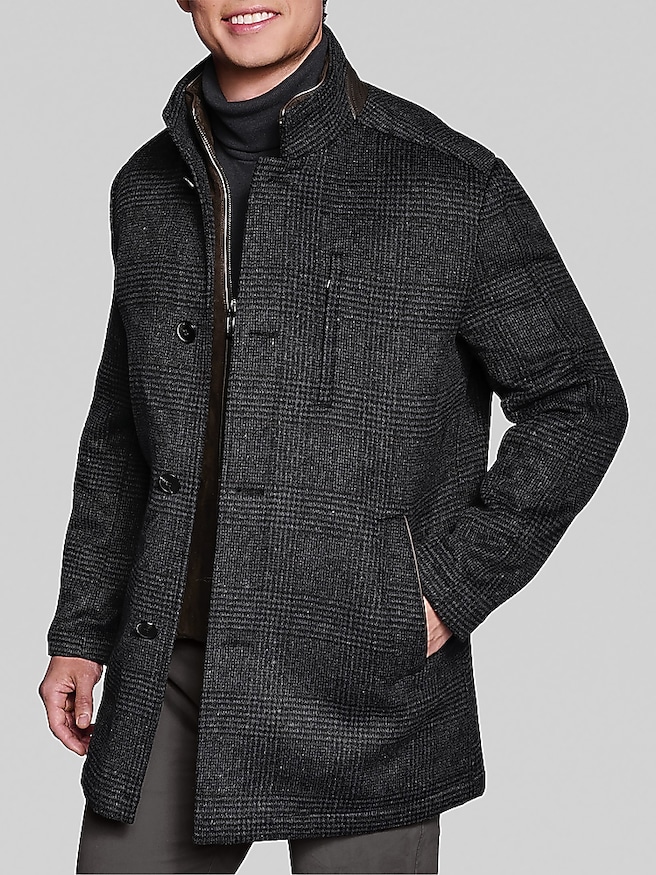
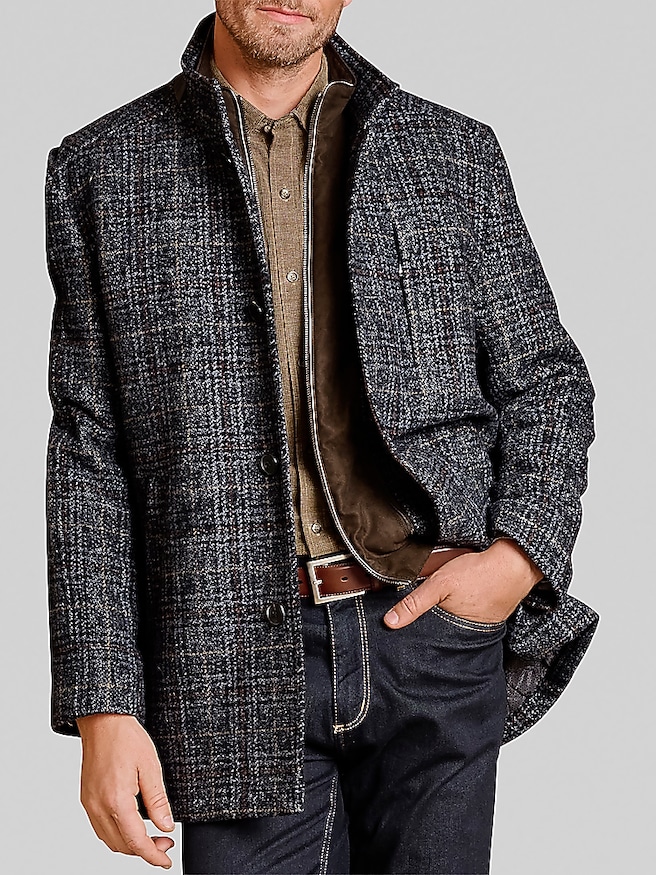
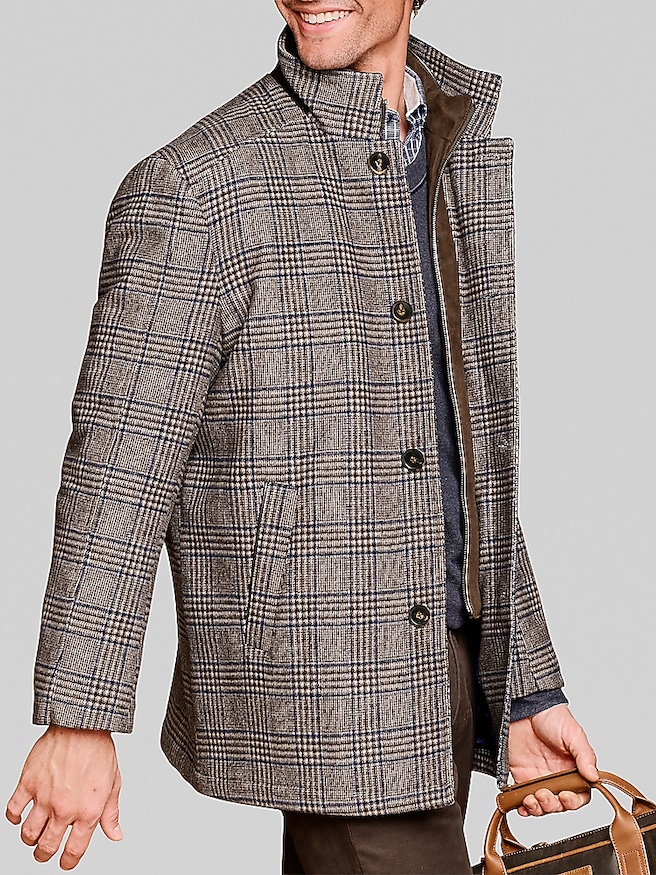
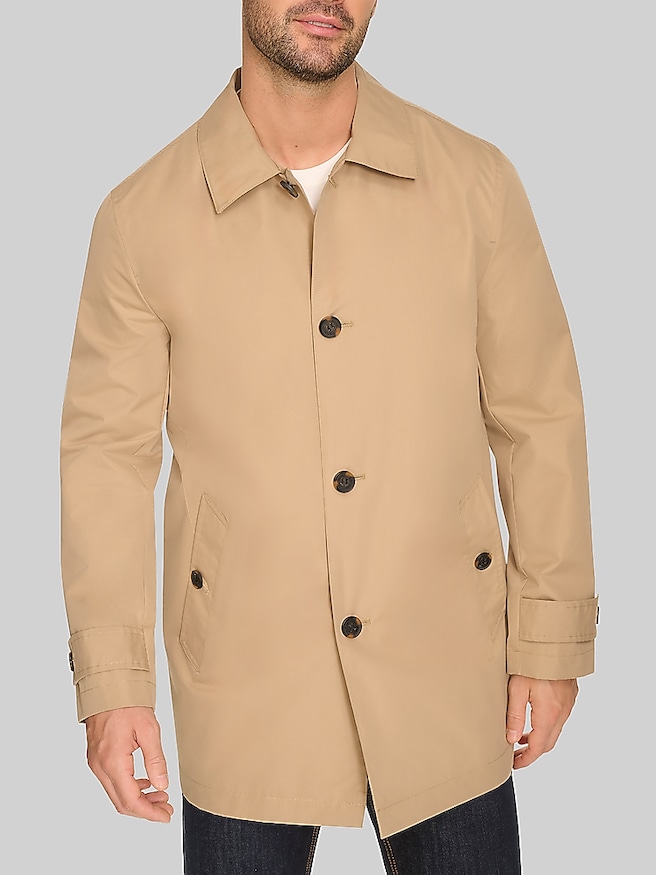
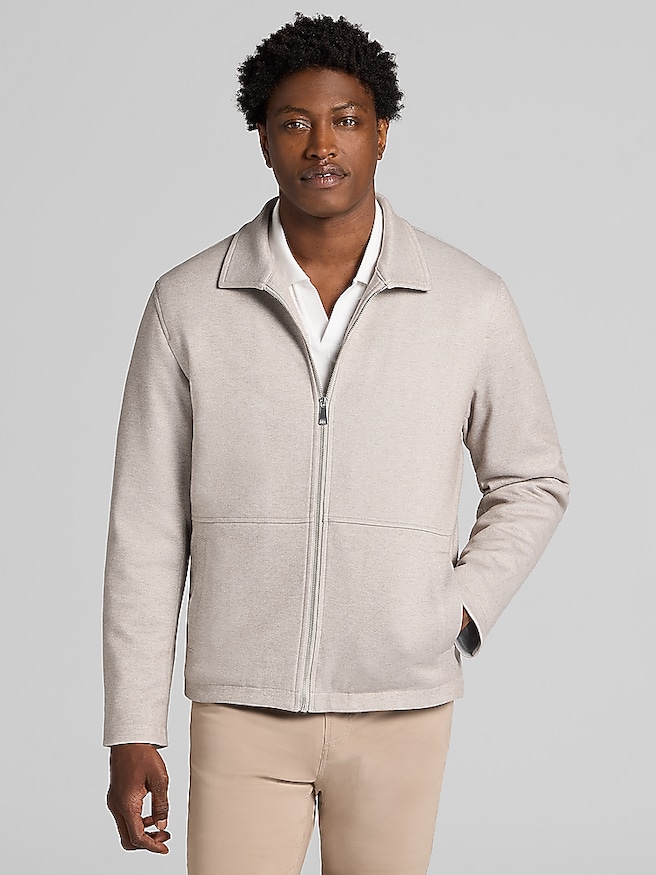
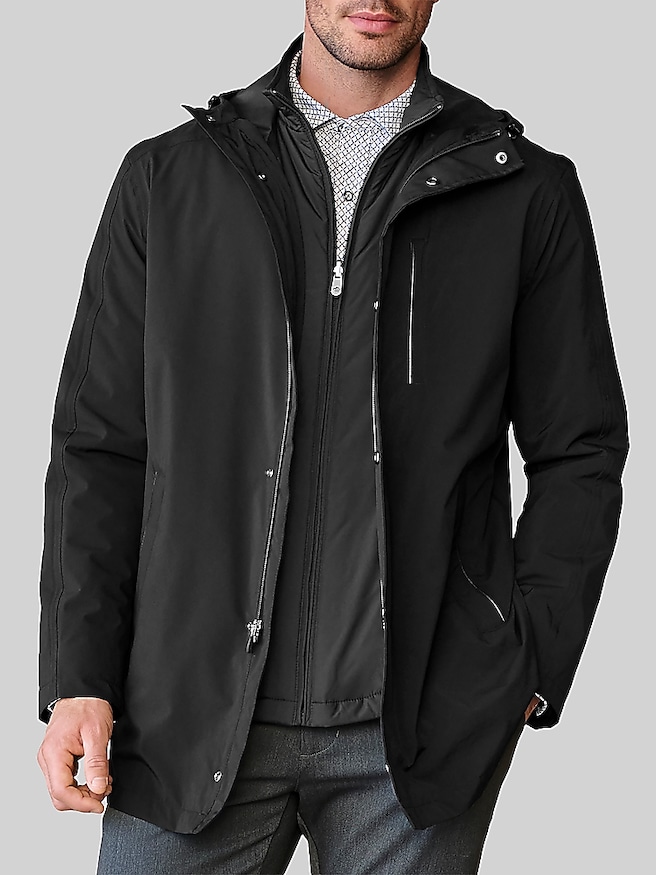
Big and tall fall jackets bring together comfortable proportions, practical coverage, and the right amount of warmth for autumn days that can start brisk and finish mild. Lightweight fleece, shirt jackets, corduroy layers, utility jackets, and lightly insulated outerwear each serve a purpose, from an easy layer for a morning commute to something more substantial for an afternoon outdoors. The distinction between big and tall sizing matters as much as the style: big sizes generally provide additional room through the chest, shoulders, and midsection, while tall sizes typically add length through the body and sleeves. Someone with a broader build may need more space without a longer hem; someone with a longer torso may need extra coverage without excess width. Exact proportions vary by design, making chest, waist, and sleeve measurements more useful than relying on a familiar size alone. A comfortable jacket should close over the intended layers without pulling across the stomach or upper back. Shoulder seams on traditionally constructed styles should sit near the shoulder’s edge, and sleeves should cover the wrist without swallowing the hand. Everyday movements reveal details that standing still can miss: reaching for a steering wheel, settling into a stadium seat, or lifting a bag should not make the jacket bind across the back. A hem that stays comfortably below the waistband when seated offers useful coverage, while a shorter cut can feel less restrictive behind the wheel. Adjustable cuffs and hems help refine the shape, especially when the same jacket needs to work over both a cotton shirt and a heavier sweater. For big and tall outerwear, the goal is not simply extra fabric. It is balanced construction that leaves room where movement requires it and keeps the overall silhouette neat enough for work, weekends, and casual evenings out. Those proportions also help pockets and closures sit where they are comfortable to reach, rather than too high on the torso or too close to the hips.
Fabric and construction give fall jackets their character, and the most useful choice often comes down to how and where the layer will be worn. Fleece provides soft, lightweight warmth for dry days, though an open fleece texture may let wind through unless it includes a protective lining or shell. A fleece jacket can feel comfortable over a long-sleeve T-shirt for errands or beneath roomier outerwear when temperatures drop further. Shirt jackets offer a relaxed middle ground between a substantial shirt and a traditional jacket, with enough structure to wear over a knit top without looking overly dressed. Corduroy adds visible texture and a soft hand, pairing naturally with denim or smooth cotton trousers; its warmth depends on fabric weight and lining rather than the ribbed surface alone. Cotton canvas and twill lend utility-inspired jackets a firmer feel, with tightly woven fabrics that can stand up well to regular wear. Unlined versions generally suit milder conditions, while lined versions offer more insulation. Lightweight quilted jackets and puffers provide warmth with relatively little weight, but the amount and type of fill affect how warm they feel. Down compresses readily and offers efficient insulation for its weight, while synthetic insulation generally retains more insulating ability when damp and may be easier to maintain, depending on the garment. A water-resistant shell can help with a brief drizzle, but that description does not mean the jacket is waterproof or suited to extended rain. Wind protection also deserves attention for exposed parking lots, outdoor seating, and long walks between buildings. A close-fitting collar, secure front closure, and adjustable cuffs can reduce drafts without requiring a much heavier jacket. Pocket placement makes a noticeable difference in daily use: hand pockets should be easy to reach, and secure interior storage can keep a phone from slipping out while seated. Smooth linings help sleeves move over sweaters, while a little stretch or thoughtful panel construction can make reaching more comfortable. These details matter particularly in a jacket worn for hours at a time, where easy movement and manageable weight are more valuable than bulk alone.
A versatile big and tall fall jacket fits into the clothes and routines already in rotation. Navy, charcoal, olive, brown, and tan work easily with denim, chinos, and casual button-down shirts, while differences in texture keep an outfit from feeling flat. A corduroy layer over a smooth knit creates contrast without relying on a bold pattern; a clean-lined quilted jacket can look equally appropriate with dark jeans or casual office trousers. When layering over a sport coat, enough room through the shoulders and a hem that covers the coat help preserve a tidy appearance. For walks, travel, or watching a game outdoors, freedom through the upper back and space for a sweater may matter more than a closely fitted outline. A jacket intended mainly for short trips between the car and a building can be lighter than one worn through several hours outside. Fall outerwear can also make a thoughtful gift for someone whose usual jackets stop short at the wrist or feel tight once a sweater goes underneath. Confirming measurements and preferred fit beforehand is especially helpful because extra width and extra length address distinct needs. Long-term wear depends on care as well as construction. Even stitching, neatly finished seams, reinforced pocket openings, and closures that move smoothly are useful signs to examine. The care label should determine cleaning methods: some fleece and synthetic layers are machine washable, while certain wool blends, structured fabrics, and specialty finishes need professional cleaning or other specific treatment. Closing zippers before washing, avoiding excessive heat, and storing jackets clean and fully dry can help protect their shape and finish. Insulated styles need thorough drying according to their care instructions so that fill does not remain damp or clumped. For longer outdoor stretches or colder conditions beyond the comfort range of a light autumn layer, Men's Big and Tall Winter Jackets provide a related category to consider. A fall jacket earns its place through comfortable movement, appropriate warmth, and proportions that feel right throughout an ordinary day.