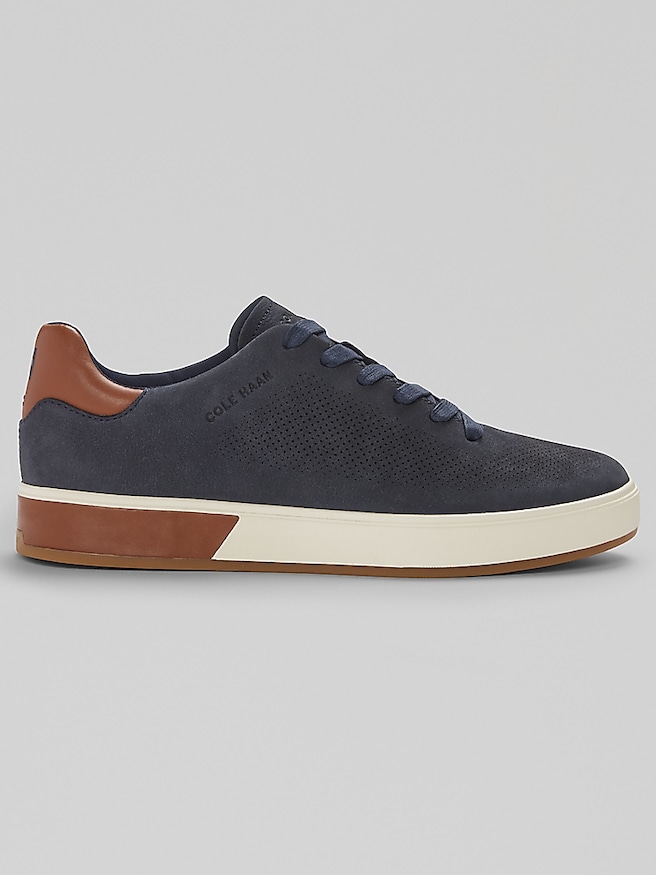
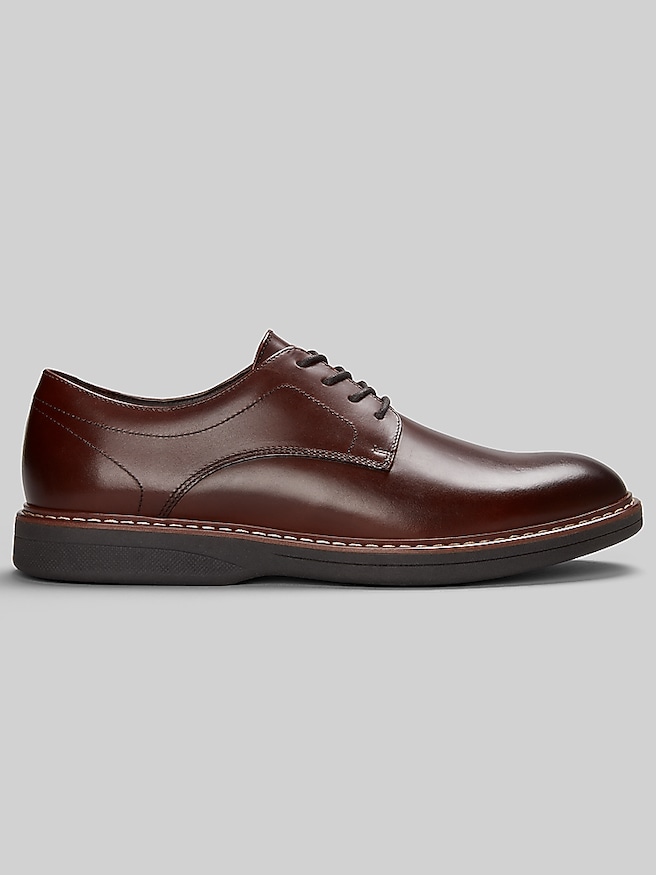
The best men's sneakers combine a comfortable fit, dependable construction, and a shape that works with the clothes and activities of everyday life. For some men, that means a low-profile leather sneaker that looks sharp with chinos; for others, it means a cushioned pair for walking across a campus, commuting on foot, or spending hours standing. No single silhouette does every job equally well, which makes intended use more useful than appearance alone when comparing men's casual sneakers. Court-inspired designs typically have a rounded toe, familiar lace-up construction, and a substantial sole, creating an easy balance with straight-leg jeans and casual trousers. Sleeker profiles sit neatly beneath tapered pants without making the outfit feel bottom-heavy. Retro athletic shapes bring more texture and visual interest, while understated uppers keep the focus on a well-fitting shirt or jacket. White sneakers create a crisp contrast with dark denim, black sneakers offer a quieter foundation, and shades of gray, navy, and brown can echo colors already present in a wardrobe. The sole matters visually, too: a low, narrow sidewall reads differently from a broad platform with pronounced tread. For an office that permits business-casual footwear, smooth leather and restrained detailing can complement chinos, a tucked-in button-down, and an unstructured blazer. For dinner with friends, the same general shape can work with dark jeans and a knit polo. Sneakers remain casual footwear, so a stated dress code takes priority over styling versatility, especially at ceremonies or formal gatherings. Pants that fall cleanly near the top of the shoe help show its proportions without excessive fabric bunching at the ankle. For anyone drawn to clean profiles and understated details, Modern Men's Sneakers is a related collection to explore. The most useful everyday pair is one that feels natural with several familiar outfits, rather than requiring an entirely new wardrobe to make it work.
Materials and construction influence how men's sneakers feel from the first wear through repeated use. Smooth leather offers a structured appearance and can soften with wear, although stiffness varies with the leather, lining, and overall design. Suede has a soft, textured surface that adds depth to neutral colors, but its nap needs more careful cleaning than smooth leather. Canvas creates a relaxed look and a flexible feel, while mesh and knitted uppers can allow more airflow; lining thickness and overlays also affect breathability. Reinforcement around the toe, heel, and lace area can help high-contact sections withstand regular use. Inside the shoe, cushioning and support serve related but distinct purposes. A soft foam midsole can make each step feel gentler, while a stable platform and secure heel help limit unwanted movement. The thickest sole is not automatically the most comfortable choice, and a plush first impression does not establish how a shoe will feel after several hours. Walking comfort also depends on forefoot flexibility, outsole grip, shoe weight, and how securely the upper holds the foot. Fit should leave room for the toes to spread without allowing the heel to lift excessively. Width matters as much as length: pressure across the ball of the foot is not always solved by choosing a longer size. The socks normally worn with the shoes influence interior space, as do orthotics or replacement insoles. A removable footbed can be useful when an insert is needed, provided the shoe has enough depth to accommodate it comfortably. Men who spend much of the day on their feet may value a broad base and consistent cushioning, while those seeking a polished casual look may prefer a lower-profile design. Running, gym training, and court sports place distinct demands on footwear, so lifestyle sneakers should not be assumed to provide the features required for those activities. Purpose-built athletic footwear is the better match when movement, impact, or lateral stability becomes the primary consideration.
Durability depends on how a sneaker is made, how it is used, and how consistently it is maintained. An outsole with substantial rubber coverage may handle repeated pavement contact differently from one with large exposed foam sections, while tread shape influences traction on particular surfaces. Stitching, reinforced panels, and the attachment between the upper and sole are useful construction details, but appearance alone cannot establish a shoe's lifespan. Repeated friction at the heel lining, worn tread, and a midsole that feels noticeably flatter can signal that a once-comfortable pair is losing its usefulness. Routine care helps preserve both the finish and the feel of men's everyday sneakers. Loose dirt is easier to remove before it becomes embedded, and cleaning methods should match the upper material. Smooth leather generally benefits from gentle wiping and an appropriate leather-care product used according to its directions. Suede calls for a suitable brush and material-specific treatment rather than vigorous scrubbing with water. Canvas and mesh also need care based on the manufacturer's instructions; machine washing is not suitable for every construction, even when the upper looks washable. Air drying away from direct heat helps avoid unnecessary stress on materials and adhesives. Allowing shoes to dry fully between wears and alternating pairs can reduce lingering moisture inside the lining. For travel, a versatile pair can simplify packing when the itinerary includes museums, casual meals, and long stretches on foot, provided comfort has already been established before departure. Sneakers can also make a thoughtful gift for a father, brother, partner, or friend whose footwear preferences and size are known. The recipient's usual width, preferred colors, and daily routine matter more than choosing the boldest design. A familiar low-profile shape may suit someone who wears chinos most days, while a more cushioned walking-oriented construction may better suit someone who regularly covers long distances. The best men's sneakers ultimately earn their place through repeated, comfortable wear, pairing practical materials and a secure fit with a style that feels right for the person wearing them.