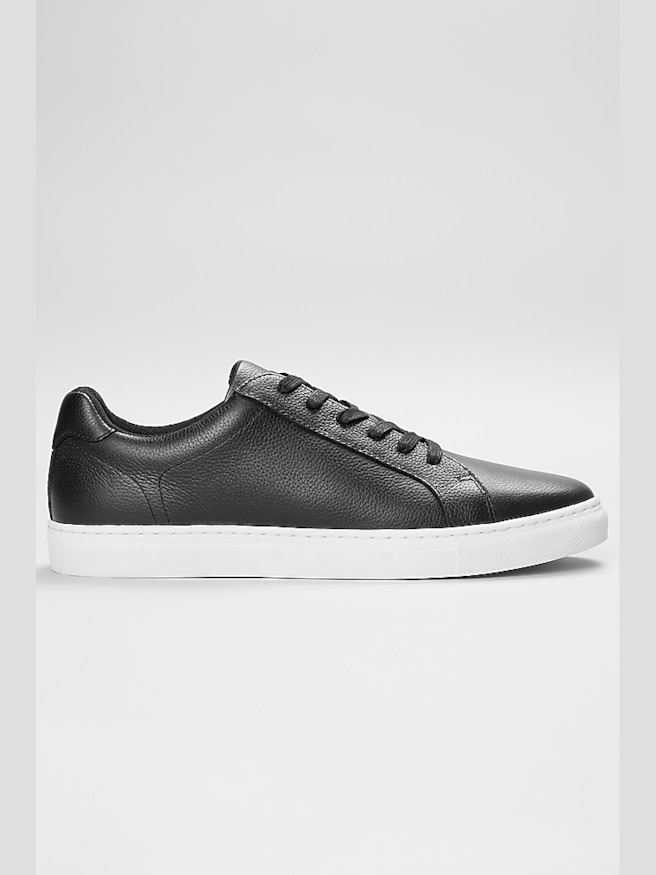
Comfortable men's casual shoes combine cushioning, a secure fit, supportive construction, and an easygoing appearance that works with everyday clothing. The most useful designs feel comfortable underfoot without making an outfit look like it belongs at the gym. Clean-lined sneakers, relaxed lace-ups, loafers, and slip-ons each offer a slightly different balance of structure and ease, making casual footwear suitable for everything from a desk-based workday to a neighborhood walk or dinner with friends. A smooth leather sneaker can bring a crisp finish to chinos and an untucked button-down, while a suede loafer adds texture beside dark denim and a knit polo. Low-profile shapes tend to work well with slimmer pant legs; more substantial soles can balance straight-leg jeans or relaxed chinos without overwhelming the outfit. Neutral shades such as brown, tan, gray, navy, and black make coordination straightforward, though the finish matters as much as the color. Matte leather and textured fabrics feel relaxed, while smoother uppers and restrained stitching can look more polished. Comfort also depends on what the day involves. A short drive followed by lunch places different demands on footwear than a commute with several blocks of walking, a standing presentation, and an evening stop across town. For days with more time on foot, cushioning through the heel and forefoot, a stable base, and a flexible forefoot become especially relevant. For seated work and casual gatherings, a refined silhouette and an upper that moves comfortably with the foot may take priority. Casual shoes can borrow lightweight construction from athletic footwear, but they are not automatically substitutes for shoes designed for running, court sports, or demanding trails. Their strength lies in everyday versatility: footwear that feels at home with denim, chinos, casual trousers, and simple layers, without requiring a complete change of clothes between one ordinary part of the day and the next.
Materials and construction shape that everyday experience. Leather uppers provide structure and can soften with wear, developing creases and character rather than maintaining a perfectly untouched appearance. Suede and nubuck offer a softer-looking texture, but their raised surfaces need care that differs from smooth leather. Textile and mesh uppers can reduce weight and allow more airflow, although breathability depends on the lining and the overall construction, not just the outer fabric. Inside the shoe, a smooth lining and well-finished seams help limit friction, especially around the heel and across the toes. Cushioned footbeds soften the feeling of each step, while shaped contours may provide a more supported feel through the arch. These are related benefits, but they are not identical: thick padding alone does not guarantee comfort, and a very soft footbed may feel less stable to someone who prefers firmer support. Lightweight EVA midsoles can provide cushioning without much added weight, while rubber outsoles contribute durability and grip depending on their compound and tread. Flex grooves can help the sole bend at the forefoot, where the foot naturally moves during walking. A comfortable shoe generally combines that movement with enough structure to avoid feeling loose or uncontrolled. Fit is equally important. Toes need space to rest and move without pressing against the front or sides, and the heel should feel secure rather than repeatedly lifting or rubbing. The upper should hold the foot without squeezing across its widest point. Laces allow adjustments through the instep, while slip-ons depend more heavily on the shape of the opening and the fit around the heel. The socks normally worn with casual shoes affect the fit, too; a thicker sock takes up more room than a thin one. Feet may swell somewhat over a long day, so a fit that feels barely tolerable at first can become restrictive later. A comfortable fit should feel convincing from the beginning, rather than depending on prolonged wear to resolve pinching. Removable footbeds can be useful for cleaning or accommodating a compatible insert, but any replacement needs enough interior space to avoid crowding the foot.
Durability comes from both thoughtful construction and consistent care. High-contact areas around the toe, heel, and sole edge naturally show wear first, so sturdy seams, secure sole attachment, and an outsole suited to everyday pavement matter as much as the initial softness of the upper. Rotating between pairs gives interior moisture time to dissipate and prevents one pair from handling every commute, errand, and evening outing. Smooth leather generally benefits from gentle cleaning and an appropriate conditioner used according to the material's care directions. Suede and nubuck need a suitable brush and material-specific treatment rather than ordinary leather polish. Textile shoes should be cleaned according to their care instructions; machine washing is not appropriate for every construction, even when the upper looks washable. Letting footwear dry naturally away from direct heat helps protect adhesives and materials. Removing loose dirt before it becomes embedded, cleaning the outsole when needed, and keeping shoes in a dry, ventilated space are small habits that make daily footwear easier to maintain. Intended use still matters after the shoes are broken in. A flexible casual sole can feel pleasant on sidewalks and indoor floors, but outsole appearance alone does not establish slip resistance for a workplace with special footwear requirements. Likewise, cushioning cannot compensate for a fit that rubs or presses against the foot. For a wardrobe centered on Comfortable Men's Shoes, the strongest choices are those that match familiar outfits and actual routines, not just a single occasion. A neutral lace-up may suit someone who moves between casual office settings and weekend errands, while an uncomplicated slip-on may appeal to someone who values easy dressing for relaxed gatherings. Casual footwear can also make a thoughtful birthday or milestone gift when the recipient's size, width, preferred fit, and usual style are known. The lasting appeal is straightforward: dependable shoes that support an everyday pace, coordinate without fuss, and remain comfortable enough to reach for repeatedly.