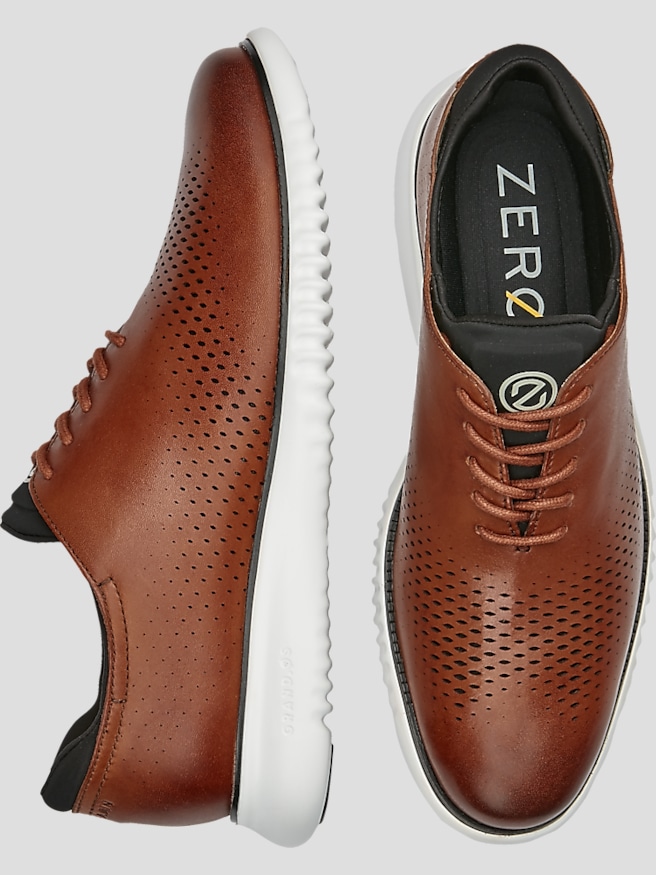
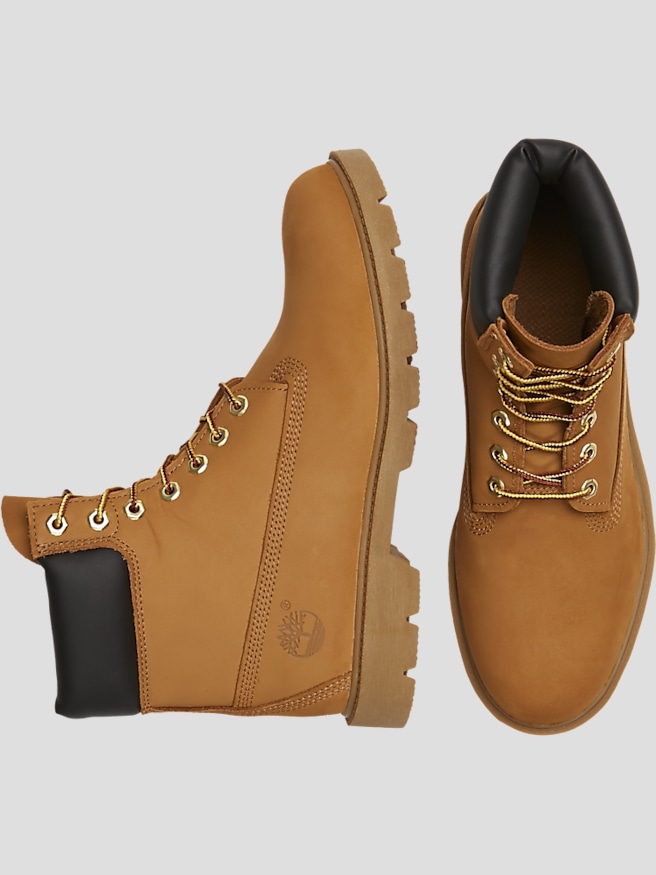
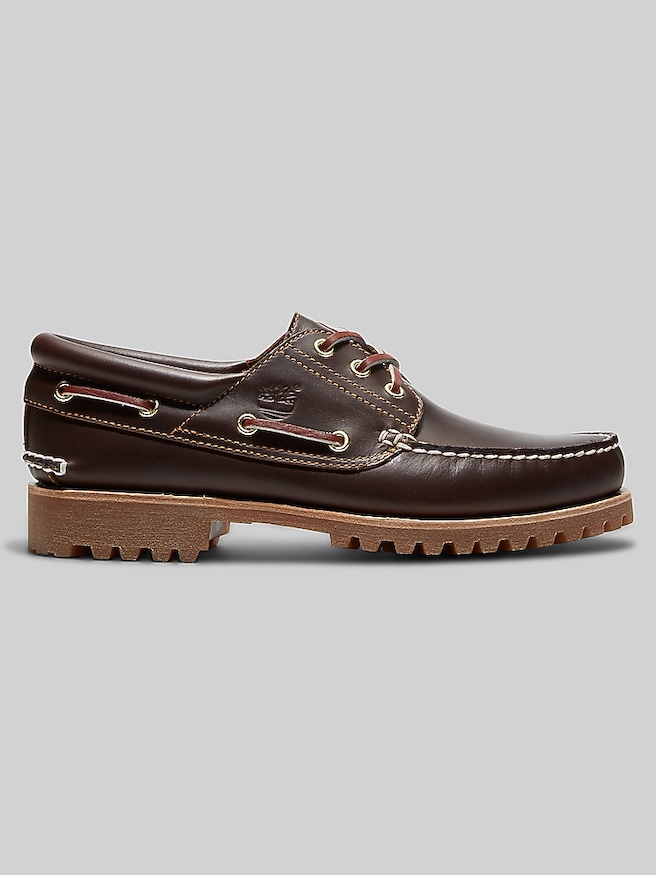
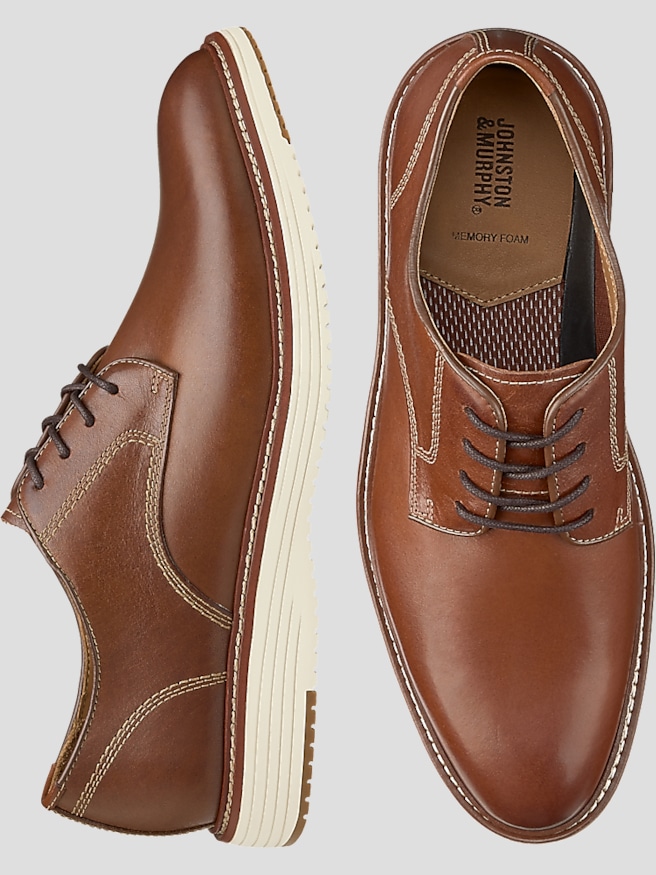
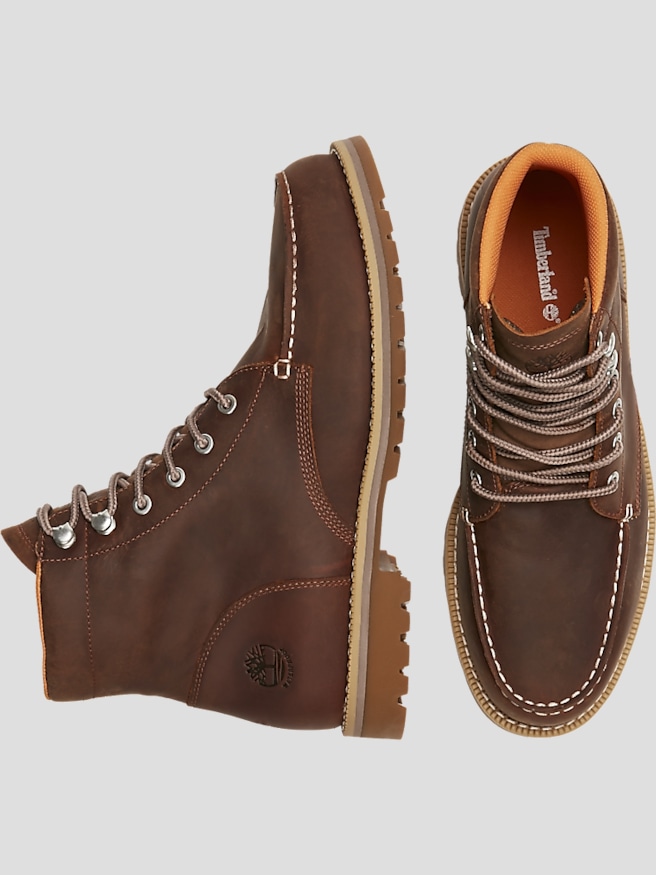
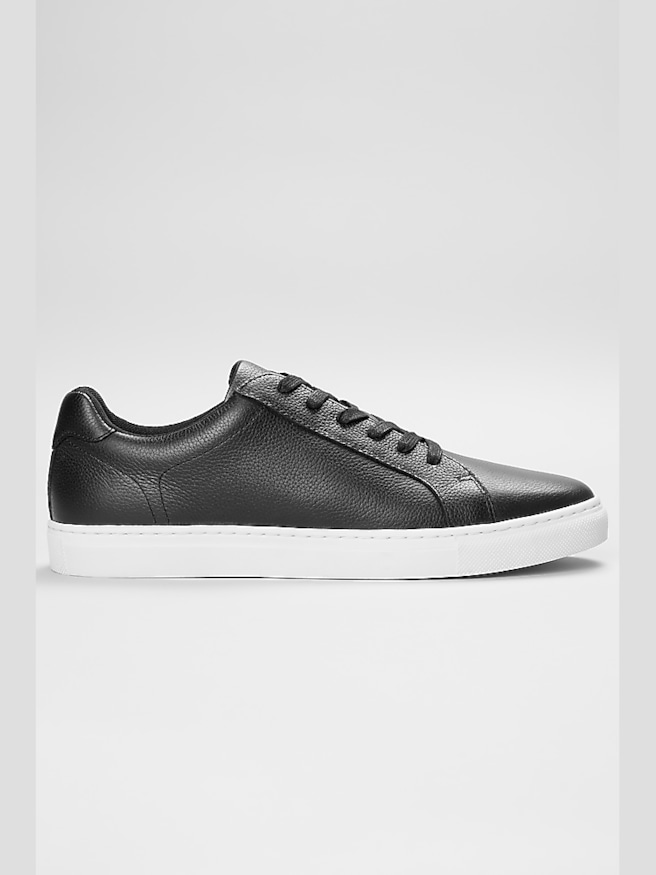
Comfortable men’s shoes combine a secure fit, balanced cushioning, and enough flexibility to move naturally through the day. The most suitable pair depends on how much walking or standing a schedule involves, the shape of the foot, and the clothing and occasions the shoes need to complement. A commute with several blocks on foot calls for a different balance of weight and traction than an evening spent mostly seated, while a full day of meetings may require footwear that looks polished without feeling rigid. Comfort is not simply a matter of choosing the softest sole. Cushioning helps soften the feel of each step, but a stable base and a heel that stays in place are equally important. Too much movement inside a shoe can create friction, and an overly narrow toe box can become increasingly uncomfortable as the day goes on. Comfortable dress shoes often bring together smooth uppers, discreet padding, and flexible construction that works with tailored trousers or a suit. Loafers offer a relaxed profile for business casual settings, while understated sneakers pair naturally with chinos, jeans, and knitwear. Lace-up styles allow small adjustments across the instep, which can be useful when feet need slightly more room later in the day. During the cooler months, boots can provide more coverage around the ankle, though their comfort still depends on fit, weight, and construction rather than height alone. For days that move from a desk to errands and a casual dinner, Comfortable Casual Shoes offer a natural complement to relaxed everyday outfits. Across these categories, the strongest starting point is footwear that feels comfortable on both feet from the first try-on, with room at the toes and no persistent pressure over the instep. A shoe should suit the day ahead, whether that means standing through a presentation, walking between appointments, or spending an afternoon with family.
Materials and interior construction shape how a shoe feels after hours of wear, not just during the first few steps. Leather uppers can soften and develop character over time, making them a familiar choice for footwear that needs to look refined. Suede has a softer, textured appearance that pairs especially well with casual trousers and cooler-weather layers, though it requires attention around moisture and surface marks. Textile and mesh uppers can offer airflow and a lighter feel, depending on their construction, while linings help determine how smoothly the foot settles into the shoe. Inside, neatly finished seams and padding around the collar can reduce rough contact at common rubbing points. Underfoot, foam cushioning varies in firmness and resilience; a deeply cushioned footbed may feel inviting, but softness alone does not guarantee lasting comfort. A supportive shape that works with the foot, together with a stable platform, often matters more than the thickness of the padding. Removable insoles can be useful for airing out footwear or accommodating a personal insert, provided the shoe has enough interior depth afterward. Outsole material and tread also deserve attention. Rubber soles often provide a useful combination of flexibility and grip, although traction varies with the tread pattern, surface conditions, and the particular construction. A workplace that requires slip-resistant footwear calls for shoes specifically identified for that purpose, rather than an assumption based on appearance. Fit brings all these details together. Toes should have space to spread without pressing against the sides, the heel should remain secure without pinching, and the upper should not dig into the top of the foot. Trying shoes with the socks intended for regular wear gives a more useful impression than changing sock thickness afterward to compensate for a poor fit. Feet can become slightly fuller over a busy day, so an afternoon try-on can help reveal pressure that might be less obvious early in the morning. Width matters as much as length; sizing up solely to gain width can leave excess movement at the heel.
Long-term comfort also depends on matching footwear to its intended use and keeping it in good condition. Shoes for everyday walking should feel manageable in weight, bend comfortably near the ball of the foot, and remain secure when changing direction or climbing stairs. For extended standing, balanced cushioning and a stable base can be more useful than an extremely soft feel that allows excessive shifting. Travel places its own demands on footwear: airport corridors, stretches of pavement, and hours spent seated all favor a forgiving fit with dependable heel hold. For celebrations or professional events, comfortable formal footwear needs to work with the outfit while allowing enough room for standing conversations and time on the dance floor. Everyday casual shoes are not automatically appropriate for running, demanding hikes, or specialized work environments, where purpose-built construction may be necessary. Durability comes from the interaction of upper materials, stitching, sole attachment, and wear patterns, as well as how often a pair is worn. Alternating footwear gives interior moisture time to dissipate, and loosening laces before removing shoes helps avoid unnecessary strain on the heel area. Smooth leather generally benefits from gentle cleaning and an appropriate conditioner used according to the care directions. Suede needs a suitable brush and material-specific treatment, while textile footwear should be cleaned only by methods recommended for its construction; machine washing is not appropriate for every fabric shoe. Damp footwear should dry naturally away from direct heat, which can stiffen leather or affect adhesives. Cedar shoe trees can help absorb moisture and preserve the shape of compatible leather footwear between wears. Checking the soles and interiors periodically can reveal uneven tread, compressed cushioning, or worn lining before discomfort becomes a regular part of the day. Comfortable men’s footwear can also be a thoughtful gift for a graduate starting an office job, a partner who travels often, or a family member who enjoys dressing well. Knowing the recipient’s usual size, width, preferred fastening, and daily routine makes the choice more personal. The goal is a pair that fits comfortably into an actual wardrobe and schedule, bringing an easy stride to ordinary days and occasions that call for a little more polish.