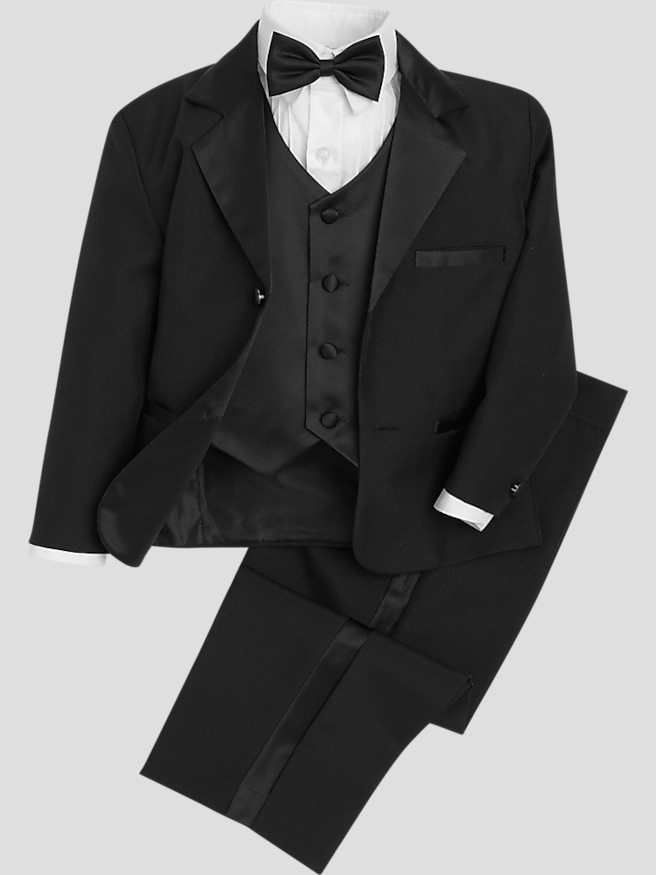
Bar mitzvah attire typically balances respectful, polished clothing for the synagogue service with an outfit suited to the reception’s dress code. A tailored suit or a sport coat with dress pants and a collared shirt can provide that balance, while the invitation and the host family’s guidance help establish the appropriate level of formality. A bar mitzvah marks a Jewish boy’s coming of age, traditionally at thirteen, and clothing for the occasion should support the significance of the ceremony without distracting from it. For the young person celebrating, that often means a coordinated outfit that feels special but still allows comfortable movement while standing, sitting, and participating in the service. Adult relatives and guests generally benefit from similarly understated choices, adjusted to the congregation’s customs and the celebration’s setting. Navy, charcoal, and medium gray offer versatile foundations; a crisp shirt and a tie in a subtle pattern can add personality without making the outfit feel overly busy. Dark denim, athletic clothing, and prominent graphics are generally less suited to a synagogue service than tailored clothing. Head-covering customs also vary by congregation, and a kippah may be expected; the synagogue or host family can clarify those expectations. The reception can have a different atmosphere from the ceremony, ranging from a relaxed gathering to a formal evening celebration. A suit that looks composed during the service can remain appropriate for dinner, photographs, and dancing, with accessories bringing in a more festive note. A tuxedo is best reserved for an invitation that calls for black tie rather than treated as the default for every bar mitzvah. When the service and reception have different dress expectations, a change of tie or shirt may provide enough distinction without requiring an entirely separate outfit. The strongest choices look intentional in both settings, respect the family’s traditions, and let the person wearing them take part comfortably in the day.
Fit has a particularly important role in bar mitzvah clothing because a young teen’s proportions may not align neatly with standard sizing. A jacket should sit smoothly across the shoulders, close without pulling across the front, and allow the wearer to reach forward without feeling tightly restricted. Sleeves that leave a little shirt cuff visible create a clean finish, while pants should sit securely at the waist and fall neatly over dress shoes without gathering heavily at the ankles. Extra length or width intended to accommodate future growth can make an outfit cumbersome for the occasion itself; a comfortable fit at the time of the celebration usually looks more natural in person and in photographs. The same principles apply to adult guests, whether their preference is a trim silhouette or a roomier cut. Fabric affects both appearance and ease of wear over a full day. Wool and wool-blend suiting can offer a smooth drape and resilience, while stretch blends may provide added flexibility through seated services and lively receptions. Cotton dress shirts offer a familiar feel, and easy-care blends can help reduce wrinkling, depending on their construction and finish. A fine weave or subtle texture adds depth without competing with a tie or patterned shirt. Lining, seam construction, and reinforced stress points also matter when clothing will be worn again for family celebrations, school events, or other dress occasions. Care should follow each garment’s label: some tailored pieces require professional cleaning, while washable shirts may need specific water temperatures or pressing settings. Hanging jackets on shaped hangers, allowing garments to air after wear, and addressing spots promptly according to care instructions help maintain their appearance. For a coordinated suit, cleaning the jacket and pants together when needed can help preserve a consistent finish. These practical details support clothing that remains useful beyond a single celebration rather than serving only for a few photographs.
Finishing pieces give bar mitzvah attire its sense of completeness, but they work best when they support the outfit rather than compete for attention. A tie can introduce a meaningful color, a small geometric pattern, or a restrained contrast against a solid shirt. A pocket square can add another point of interest without matching the tie exactly; keeping one element quiet helps the combination feel balanced. Dress shoes should suit the formality of the clothing and feel secure through walking, standing, and dancing. Smooth leather styles offer a traditional finish, while the shape and flexibility of the shoe can make a noticeable difference during a long celebration. Trying the full outfit together before the event reveals details that separate fittings can miss, such as a collar that feels tight with a tie, pants that catch on the tops of shoes, or socks that slip when seated. Belts and shoes in compatible tones create a cohesive appearance without requiring every accessory to be identical. For teens, Formal Wear for Young Adults reflects the same balance of age-appropriate style, comfortable proportions, and occasion-ready polish that matters at a bar mitzvah. A young person may prefer a distinctive tie or a textured jacket, while an adult guest may value pieces that also fit naturally into a broader dress wardrobe. Accessories can also make thoughtful gifts when the recipient’s taste and the family’s dress expectations are understood; clothing gifts benefit from accurate measurements rather than age-based guesses. Versatile colors and restrained patterns make it easier to wear tailored pieces again, together or as separates when the setting permits. Whether the outfit is for the person celebrating, a sibling, or a guest, the goal is clothing that feels considered without feeling like a costume. A smooth-fitting collar, an easy stride, and a jacket that stays comfortable through a shared meal all contribute to an appearance that feels right for both the ceremony and the celebration.