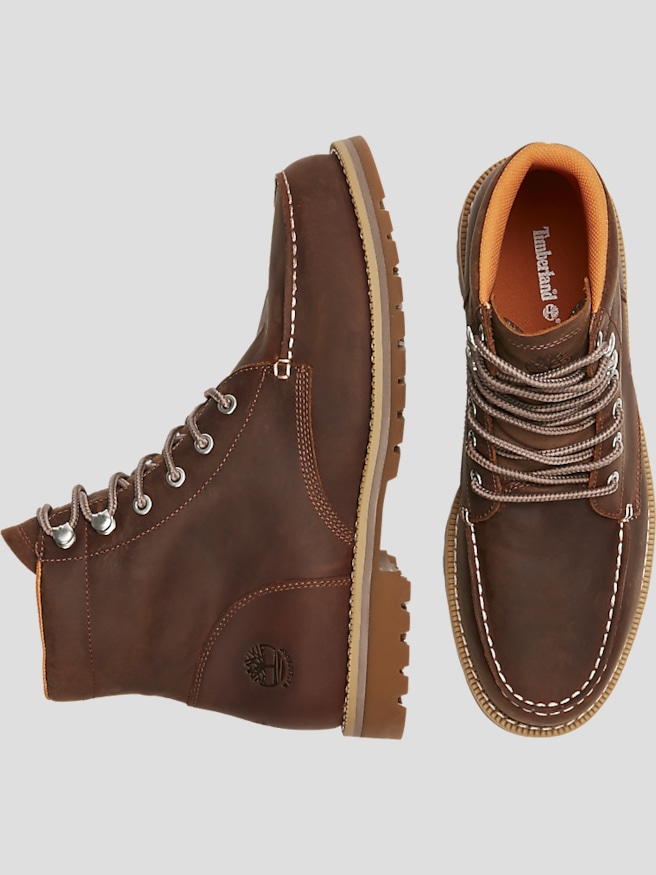
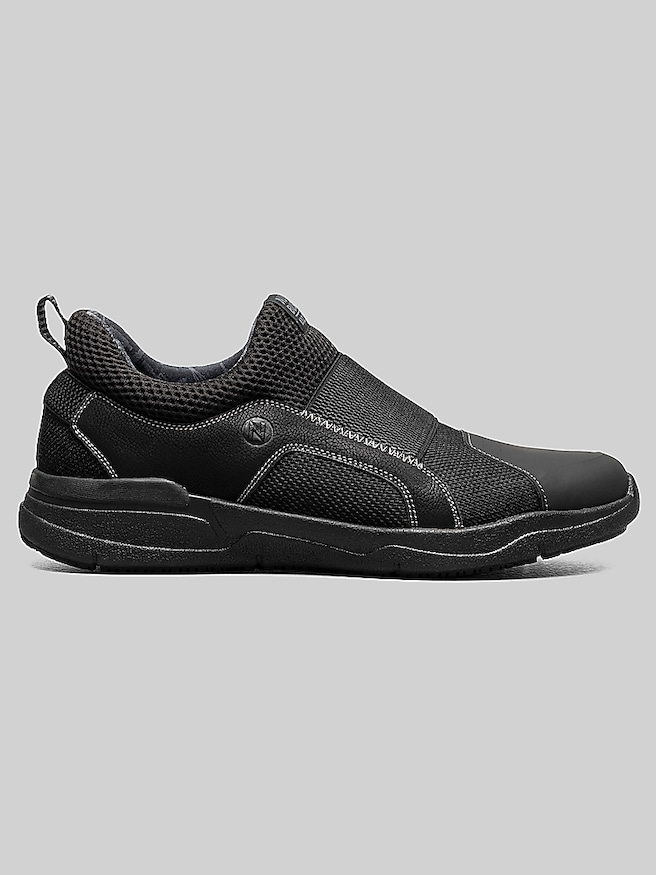
Back-to-work shoes balance workplace dress expectations with the comfort, support, and traction needed for a full day. For an office routine, that means footwear that looks appropriate with work clothes and feels comfortable through a commute, meetings, and time on foot. A polished lace-up can complement a suit for interviews or client presentations, while a loafer works naturally with tailored trousers and an open-collar shirt. In business-casual settings, understated derbies, streamlined boots, and simple sneakers may also fit the dress code. The distinction is often in the details: a clean silhouette, restrained stitching, and a sole that looks proportionate to the rest of the shoe. Black leather has a crisp, formal character, while brown shades can bring warmth to navy, gray, and earth-toned clothing. Smooth leather uppers offer a traditional finish and can soften with regular wear and appropriate care. Suede has a softer, more textured appearance that pairs well with chinos and less structured tailoring, though it calls for its own cleaning tools. Textile and synthetic uppers vary widely in breathability, flexibility, and maintenance needs, so material descriptions matter more than appearance alone. Leather linings may help manage moisture, while thoughtfully placed padding can soften contact around the collar and tongue. The right level of structure depends on the day ahead. Someone seated for much of the day may prioritize a refined profile and easy movement under a desk; someone walking between buildings or standing through presentations may place more emphasis on cushioning and outsole grip. Neither routine necessarily calls for a bulky shoe. A balanced shape can provide room through the forefoot while still looking neat beneath a trouser hem. For someone starting a new position, returning to an office schedule, or refreshing a familiar work wardrobe, the most useful footwear connects the required level of polish with the way the day actually unfolds. Shoes should support the routine rather than demand constant attention once the workday begins.
Comfortable work shoes begin with a secure fit, not simply a soft footbed. Enough length in front of the toes allows natural movement, while sufficient width prevents pressure across the ball of the foot. The heel should feel held without rubbing, and the upper should not pinch across the instep when sitting, standing, or walking. Laces offer adjustable hold, which can be useful when one foot fits slightly differently from the other; slip-on styles depend more heavily on the relationship between the heel, instep, and opening. Trying shoes with the socks intended for work gives a more realistic sense of fit, as does allowing for the slight increase in foot volume that can develop over the course of a day. Leather may become more supple, but a break-in period should not be expected to correct cramped toes or persistent pressure. Underfoot, cushioning and support serve distinct purposes. Cushioning helps soften contact with the ground, while a stable base and appropriately shaped footbed help the foot feel supported. A firm heel counter can contribute to rearfoot stability, and flexibility near the ball of the foot allows a more natural stride. For long stretches on hard flooring, balanced cushioning with a steady platform can feel more dependable than excessive softness. Shoe weight also becomes noticeable during a lengthy walking commute or repeated trips around a large workplace. Outsole material and tread deserve equal attention: rubber can provide useful grip and flexibility, while smooth leather soles have a traditional dress-shoe character but may offer less traction on slick surfaces. No outsole provides the same grip on every surface. A dress shoe’s appearance or rubber sole alone does not establish that it meets a workplace slip-resistance requirement. Jobs involving industrial hazards, food preparation, or other regulated conditions may require specifically rated protective footwear. Office shoes are not a substitute for required safety features, and persistent foot pain calls for professional advice rather than relying on cushioning claims. These distinctions help keep the focus on footwear suited to both the workplace and the wearer.
Durability comes from the relationship between materials, construction, fit, and regular care. Secure stitching, neatly finished edges, and a well-attached outsole are useful details, but even a substantial shoe can wear unevenly if it fits poorly or is used outside its intended setting. A flexible office shoe designed for hallways and meeting rooms serves a different purpose from footwear built for demanding job sites. For everyday wear, the heel and forefoot are common places to notice outsole wear, while deep creases, loose seams, or a lining that rubs can signal that attention is needed. Some constructions allow professional resoling or heel repair, though repair options depend on how the shoe was made. Smooth leather generally benefits from removing surface dirt, conditioning as appropriate, and using a compatible polish when a refreshed finish is wanted. Suede responds better to a dedicated brush and material-appropriate cleaner than to conventional shoe polish. Textile and synthetic materials should be cleaned according to their care directions, since treatments suited to leather may not be suitable for other uppers. Allowing shoes to air out between wears and using shoe trees where appropriate can help maintain their shape; direct heat can damage materials and adhesives. These small habits also make footwear easier to keep presentable when a meeting appears on the calendar with little notice. Styling works best when the proportions feel consistent: a sleek shoe sits comfortably beneath tailored trousers, while a slightly more substantial sole can balance chinos or less formal pants. A wardrobe built around Versatile Work Shoes can move between those settings without requiring a completely separate look for every appointment. For anyone selecting footwear as a gift, knowing the recipient’s size, width, preferred closure, and workplace dress expectations matters more than guessing from appearance. Whether chosen for a first office role or an established routine, back-to-work shoes earn their place through a comfortable fit, practical construction, and a finish that complements the clothes worn most often.