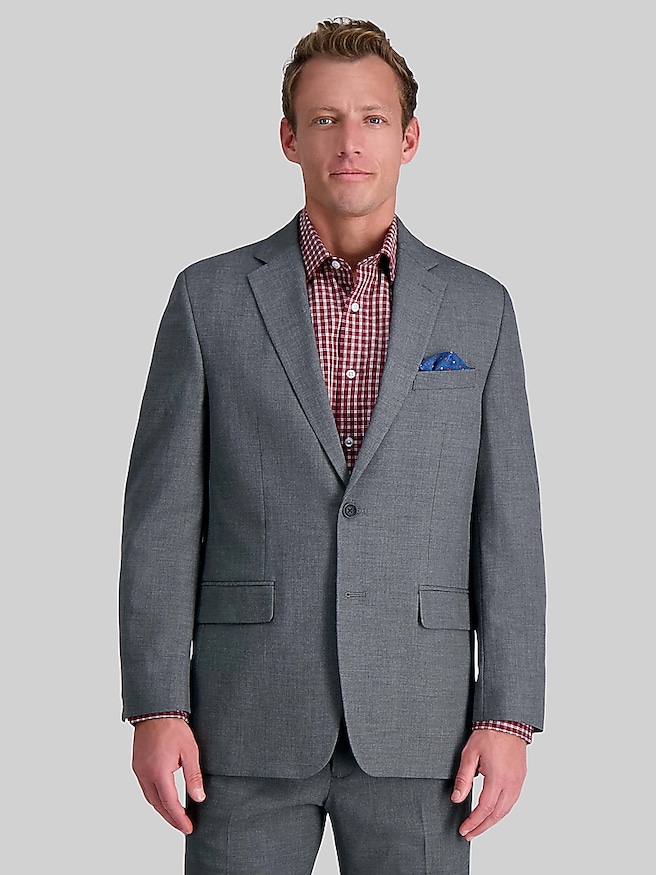
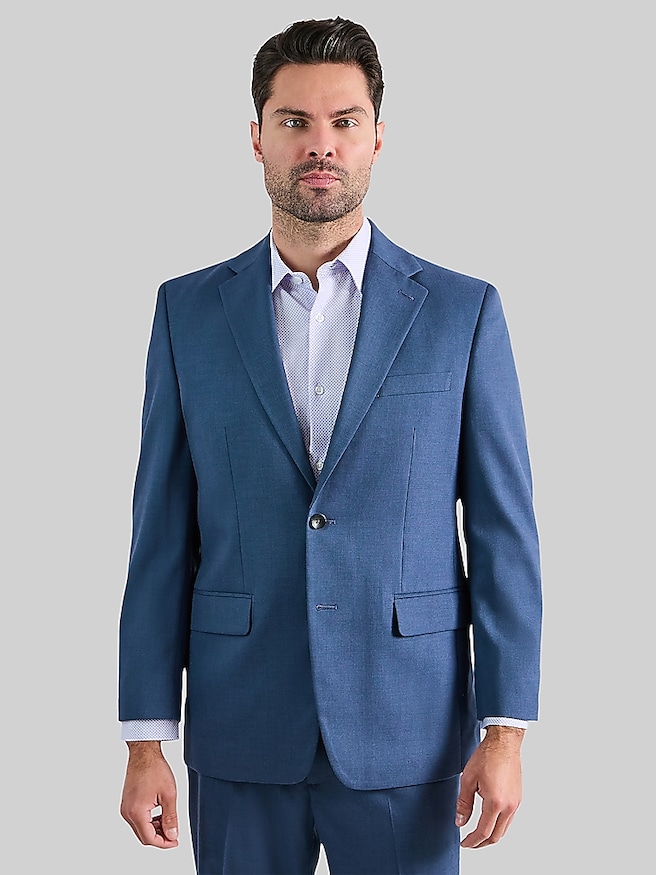
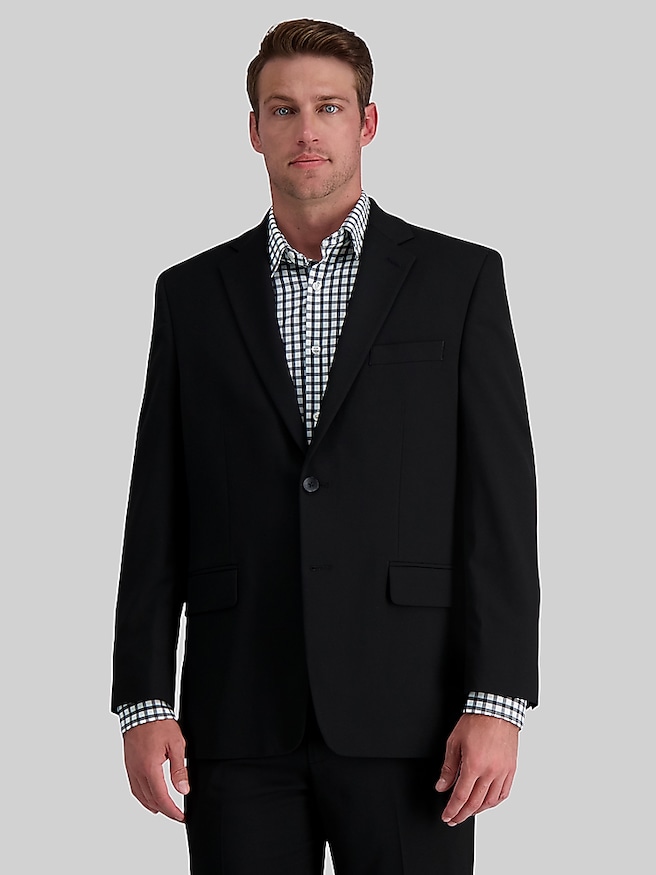
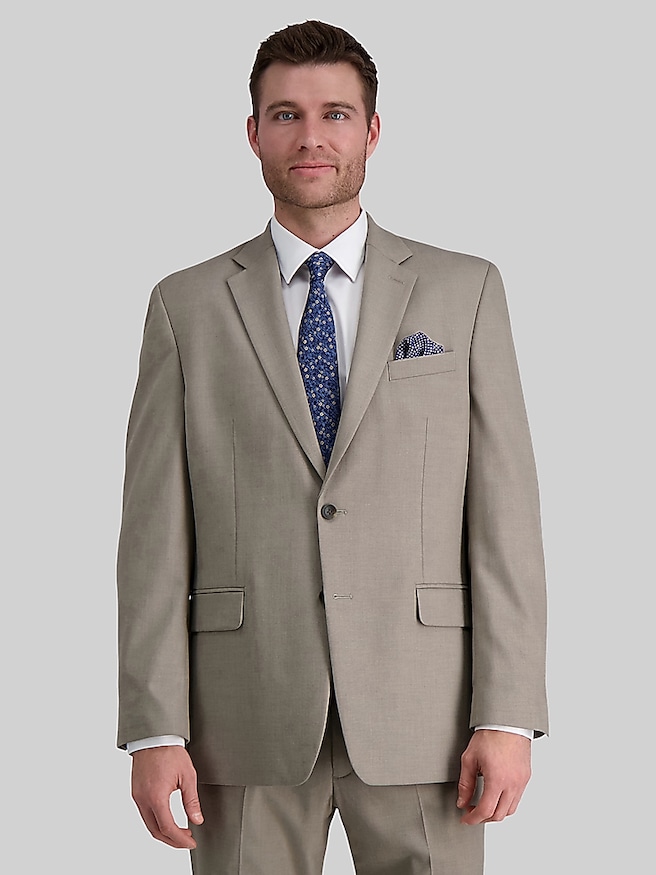
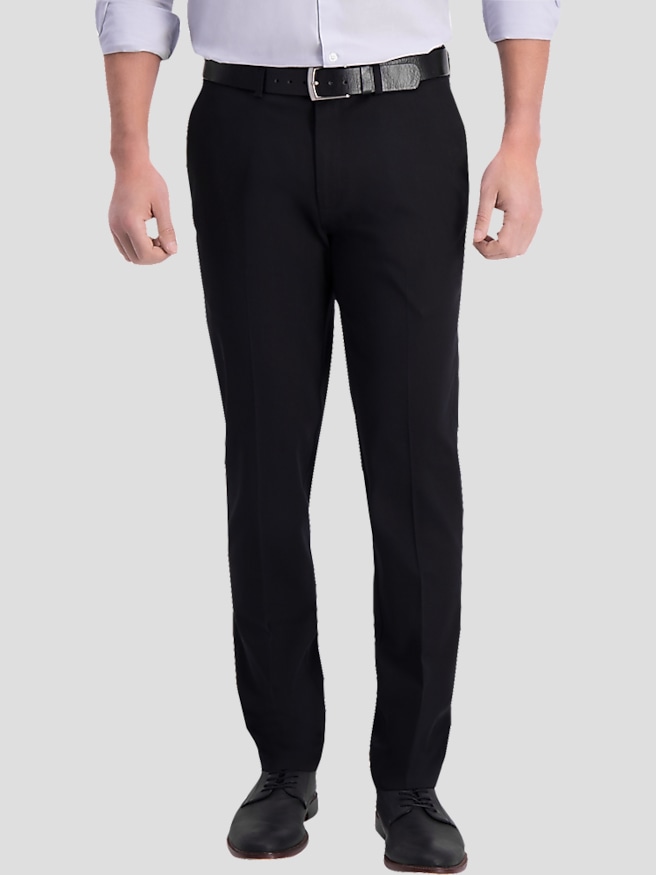
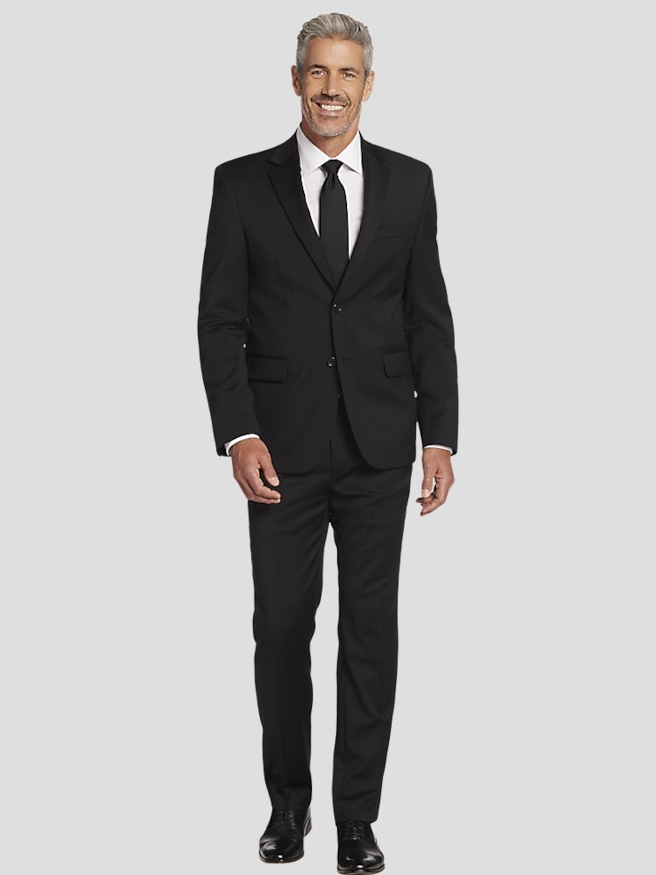
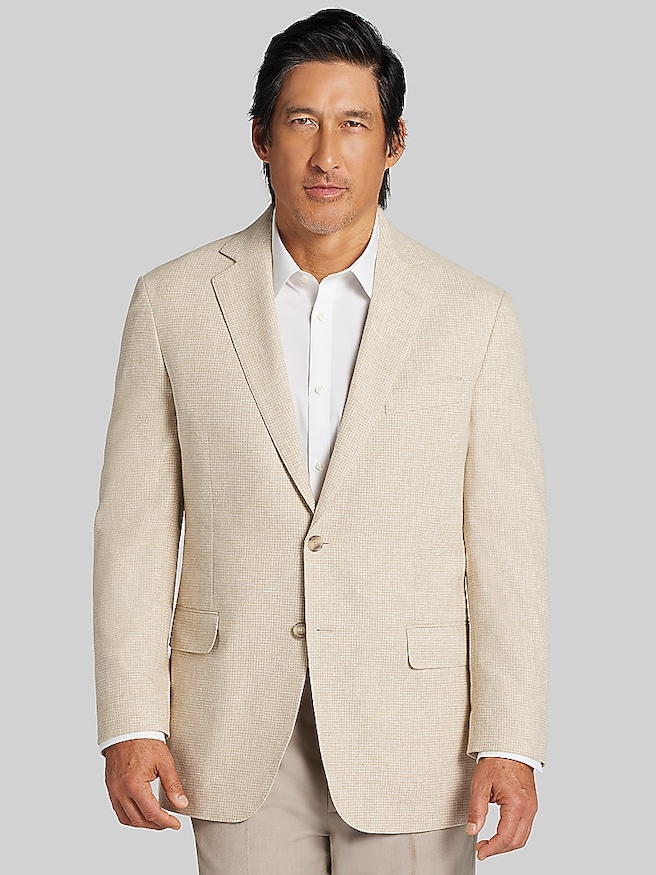
Attire for a casual event is clean, comfortable clothing with a neat fit and enough polish to show consideration for the occasion and the host. It sits between everyday lounging clothes and formal dress, with room for personal style rather than a single required outfit. Casual shirts, polos, knitwear, chinos, dark denim, and relaxed jackets form the foundation of this category, offering combinations suited to birthday dinners, neighborhood gatherings, informal reunions, and low-key celebrations. The setting helps establish the right balance. A meal at a neighborhood restaurant may suit a textured polo with chinos, while a gathering at someone’s home may feel more natural with a button-down shirt and well-kept jeans. An invitation that specifies business casual or smart casual generally calls for a more polished interpretation than one that simply says casual. The distinction often comes down to details: an unfrayed collar, a smooth shirt front, shoes without visible dirt, and trousers that fall cleanly over the footwear. Fit matters just as much as the clothing category. Shoulder seams should generally sit near the shoulder’s edge, shirt fronts should lie comfortably without pulling between buttons, and sleeves should allow easy movement when reaching across a table or greeting a friend. Through the waist and seat, a comfortable fit leaves room to sit without bunching or excessive tension. Straight and tapered leg shapes offer different silhouettes, but either can look intentional when the proportions work with the wearer’s build. A shirt designed to be worn untucked usually has a shorter hem than a traditional dress shirt, helping it look finished rather than accidentally left out. For events that involve moving between conversation, a shared meal, and standing activities, clothing that maintains its shape while allowing movement makes a noticeable difference. The result is an outfit that feels appropriate without making the wearer feel dressed for a different occasion.
Fabric gives casual event clothing much of its character, influencing how it looks, feels, moves, and holds up over repeated wear. Cotton is common in shirts, polos, chinos, and denim because it can feel soft against the skin and works across a wide range of textures. Smooth poplin creates a crisper impression, while an Oxford weave has a more substantial, lightly textured surface. Cotton twill brings definition to casual trousers, and denim offers a familiar structure that becomes more personal with use. Linen has a distinctive texture and naturally relaxed appearance; its tendency to crease is part of its character rather than a sign that it needs to look perfectly pressed. Fine-gauge knits can provide a smoother alternative to a sweatshirt, with ribbed cuffs and hems helping define the silhouette. Wool and wool blends may add softness, drape, or texture, depending on the fiber and construction. Fabrics containing stretch fibers can make sitting and bending more comfortable, although recovery matters alongside stretch: clothing should return toward its original shape rather than remain stretched at the knees or elbows. Durability also depends on construction. Secure buttons, even stitching, reinforced pocket openings, and seams that lie flat are useful signs of careful finishing. Areas that receive regular friction, including cuffs, collars, and pocket edges, deserve attention when considering how a garment will fit into an everyday wardrobe. Care requirements vary, even among fabrics that look similar. Some casual shirts and trousers are machine washable, while certain knits and structured layers need gentler handling or professional cleaning as directed by the care label. Excessive heat can contribute to shrinkage or affect elastic fibers, and rough laundering can change a fabric’s surface. Folding knitwear helps limit stretching at the shoulders, while suitable hangers help shirts and jackets retain their shape. These practical differences matter for anyone who wants casual event clothing that remains easy to wear beyond a single gathering.
Color, texture, and proportion give casual combinations variety without requiring elaborate styling. Navy, gray, olive, tan, and off-white provide a flexible foundation, with deeper reds, muted greens, or patterned shirts adding personality. A subtle check or stripe can bring interest to otherwise simple separates, while a textured knit can create the same effect without a print. When one piece has a noticeable pattern, quieter surrounding colors tend to keep the outfit balanced. Dark, minimally distressed denim often reads as more polished than heavily faded or torn styles, particularly alongside a woven shirt or an unstructured jacket. Chinos offer another middle ground, looking relaxed with a polo and slightly dressier with a tucked shirt and leather belt. Shoes help establish the overall impression as well. Clean, understated sneakers can work at genuinely casual gatherings, while loafers or other relaxed leather shoes lend a more finished appearance when the venue calls for it. Comfort remains important, especially at receptions or social events where much of the time is spent standing. A secure heel, adequate toe room, and a sole suited to the setting matter more than an impressive appearance that becomes uncomfortable after a short walk. For dinner plans with a more personal focus, Date Attire shares the same emphasis on thoughtful fit and an outfit that feels authentic to the wearer. Small accessories, such as a simple watch or a belt in a compatible leather tone, can finish the look without making it feel formal. Casual clothing can also make a useful gift for a partner, friend, sibling, or adult son when their measurements, preferred fit, and care habits are familiar. A person who favors untucked shirts may appreciate different proportions from someone who regularly wears a tucked shirt. Across these preferences, the strongest casual outfits have a consistent quality: nothing distracts from enjoying the occasion. Comfortable movement, coordinated colors, and well-maintained fabrics allow the wearer to look put together while remaining at ease.