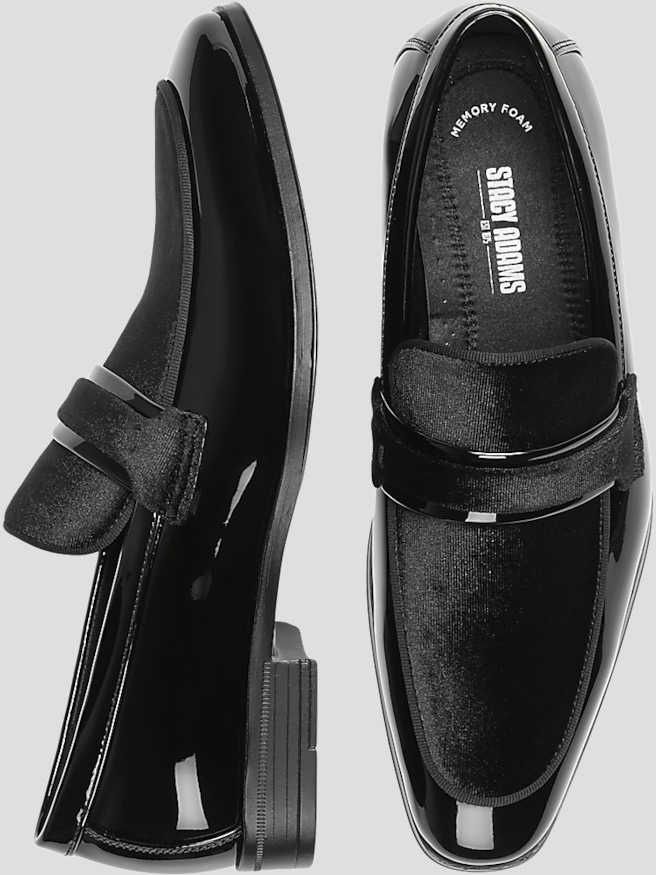
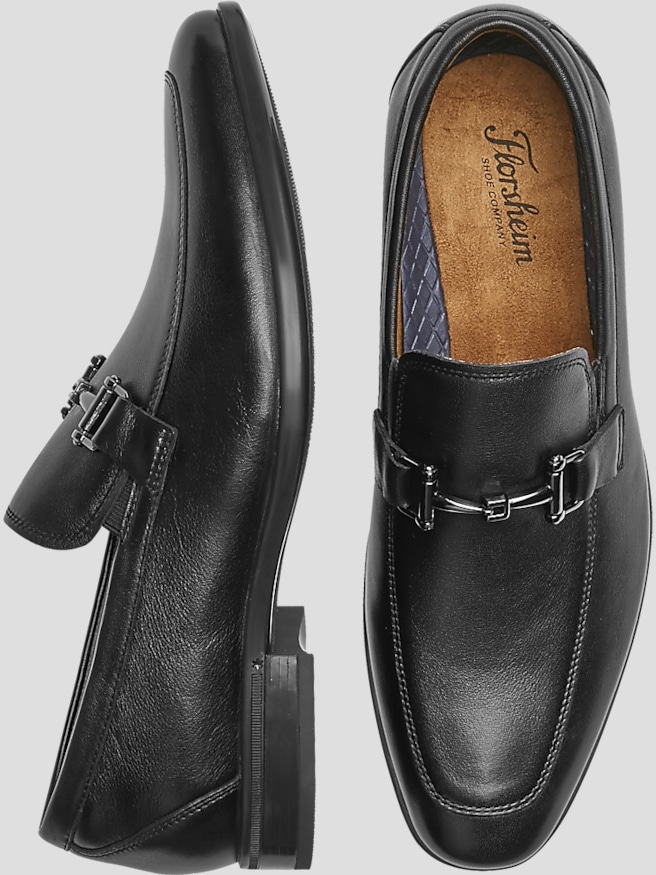
Arch support loafers combine the clean profile of a slip-on shoe with a footbed shaped to support the curve beneath the foot. Unlike a flat insert that mainly adds padding, a contoured footbed provides more defined contact through the arch, often alongside cushioning at the heel and forefoot. That distinction matters during an office day that includes a walk from the parking garage, time at a standing desk, and a few blocks to lunch. Softness can make the first step pleasant, but dependable comfort also depends on fit, stability, and how the shoe bends as the foot moves. A shaped heel cup can help cradle the rear of the foot, while a stable sole provides a foundation beneath the supportive insert. Flexibility is most useful near the ball of the foot rather than through a middle section that folds easily in half. The upper contributes just as much to the experience: smooth leather offers a polished appearance and can gradually conform to the foot, while suede has a softer texture and a more relaxed character. Textile and synthetic uppers vary widely in breathability, structure, and care requirements, so the material description matters more than a broad comfort label. Inside, smooth linings and neatly finished seams can reduce rubbing, especially around the heel and across the top of the foot. Cushioning beneath the forefoot is useful for walking, but a very thick, yielding footbed does not necessarily provide stronger arch support. For men moving between meetings, errands, and dinner plans, the appeal is a familiar loafer silhouette with support that feels appropriate beyond the first few steps. The best match is not automatically the softest shoe; it is the one whose shape, cushioning, and construction work comfortably with the foot throughout its intended use.
Fit is especially important with arch support loafers because there are no laces to adjust the hold across the instep. The shoe needs enough contact through the midfoot to stay secure without pressing sharply across the top of the foot. Toes should have room to rest naturally, with space ahead of the longest toe and no squeezing along the sides. The heel should feel settled rather than slipping noticeably with each step, and the arch contour should sit beneath the arch instead of creating a hard ridge in the wrong place. A higher instep, broader forefoot, or narrower heel can change how the same size feels, making width and overall shape as important as the number printed inside. Trying loafers with the socks intended for everyday wear gives a more useful sense of fit than testing them with unusually thick or thin socks. Feet may also feel fuller later in the day, which makes an afternoon fitting helpful for shoes intended for extended wear. Leather can soften with use, but persistent pinching, toe pressure, or concentrated discomfort beneath the arch should not be treated as a necessary break-in stage. For someone who uses prescribed orthotics, a removable footbed and sufficient interior depth can be important; adding an insert on top of an existing footbed may crowd the toes or lift the heel out of position. Individual support needs vary, and ongoing foot pain deserves advice from a qualified healthcare professional rather than assumptions based on a shoe category. Once the fit is right, styling remains straightforward. A streamlined leather loafer works naturally with tailored trousers and a sport coat, while a more relaxed shape pairs easily with chinos or dark denim. Penny, tassel, and understated hardware details offer distinct looks without changing the basic slip-on format. A refined profile can suit many business and social settings, though the dress code still determines whether loafers are appropriate for a more formal occasion.
Materials and construction influence how arch support loafers feel after repeated wear, not just how they look when new. Leather uppers benefit from gentle cleaning and occasional conditioning with a product suited to the finish; too much conditioner can leave residue or change the appearance. Suede generally calls for a dedicated brush and a cleaner intended for its textured surface rather than ordinary leather polish. Manufacturer care instructions remain important, particularly when a shoe combines several materials or has a specialized finish. After wear, allowing the interior to dry naturally helps manage moisture, while keeping shoes away from direct heat protects leather, adhesives, and footbed materials. A shoehorn can preserve the shape of the heel during entry, and properly sized shoe trees can help maintain the upper between wears. Rotating footwear also gives each pair time to air out. Over time, flattened cushioning, uneven outsole wear, or a footbed that no longer holds its shape may change the supportive feel even when the upper still looks presentable. Outsole material deserves attention as well: rubber can provide useful flexibility and grip, although traction depends on tread design and the walking surface, not simply the material name. Visible stitching, a secure connection between upper and sole, and clean interior finishing are practical construction details to consider without assuming that one feature alone guarantees durability. For shoppers comparing arch support with a gentler, more flexible feel, Soft Loafers offer a related direction, though softness and structured support are separate qualities. Supportive loafers can also make a thoughtful gift for a partner, father, graduate, or colleague whose routine includes office hours, travel, or frequent social plans. Knowing the recipient’s usual size, preferred width, and taste in dress shoes is more useful than choosing by appearance alone. A comfortable, well-proportioned pair should feel like a natural extension of an established wardrobe: polished enough for the occasion, practical for the day’s walking, and supportive in a way that suits the individual foot.