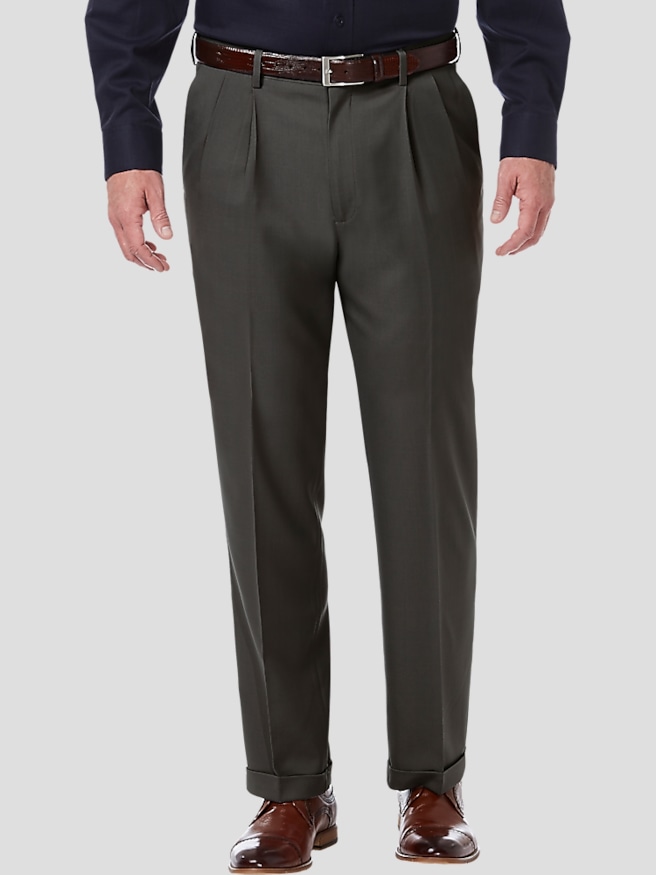
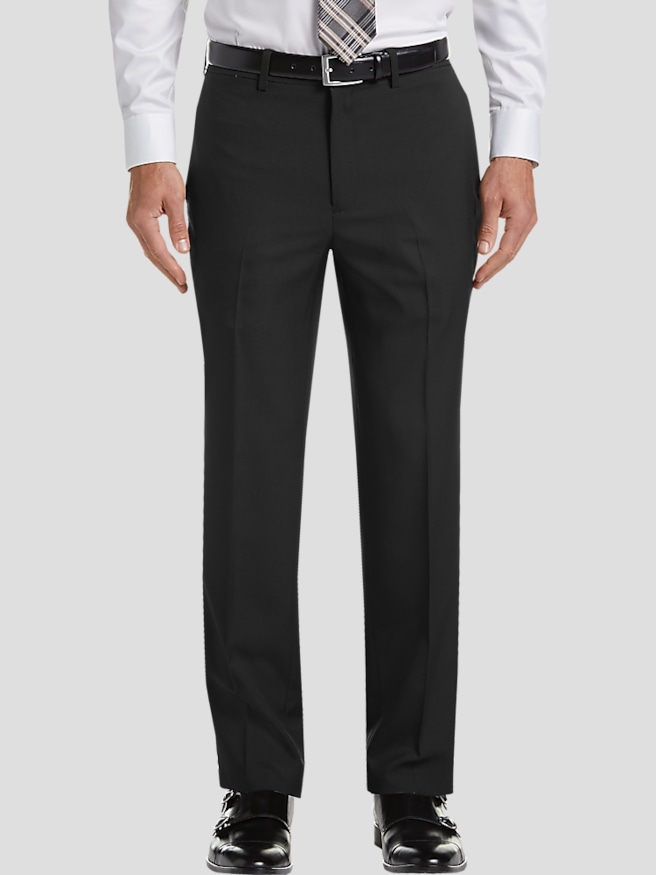
All day pants are versatile men’s pants made for extended wear, balancing a polished appearance with the comfort needed for work, travel, and everyday plans. Their appeal is straightforward: a pair should feel comfortable through a seated commute, look appropriate at an afternoon meeting, and still make sense at dinner without requiring a change of clothes. Rather than describing a single cut or fabric, the category centers on wearability across different parts of the day. Materials help determine how that experience feels. Cotton brings a familiar texture and a relaxed character, while blends containing polyester or nylon can contribute strength, shape retention, or easier care, depending on their construction. A small amount of elastane can add flexibility at the knees, seat, and waistband, especially when sitting for long stretches or taking the stairs. Stretch alone does not tell the whole story, though. A fabric that moves comfortably and returns to its shape helps pants maintain a neat outline after hours of wear. Surface texture matters as well: a smooth finish can look more refined with a tucked-in shirt, while a visible twill weave gives everyday outfits some depth. Fabric weight and structure influence how the legs hang, whether pocket contents show through, and how cleanly the pants fall over shoes. Breathability and softness are useful considerations for long periods indoors, particularly when a schedule involves moving between a desk, conference room, and car. Construction details deserve equal attention. Secure stitching, neatly finished seams, and a waistband that lies flat can make a noticeable difference over repeated wears. Pockets should hold daily essentials without pulling the hips out of shape or adding unnecessary bulk. Together, these details make all day pants useful for anyone who wants an outfit to stay composed while allowing normal movement, from reaching for a bag on a train to settling into a chair for a long presentation.
Fit is what turns a comfortable fabric into pants that feel easy to wear. The waistband should sit securely without digging in when seated, and the front should remain smooth rather than pulling across the pockets or fastening. Rise affects both comfort and proportion: a rise that suits the wearer allows room through the seat and keeps the waistband in a consistent position when standing or bending. Through the thighs, enough space for movement helps prevent strain lines and keeps the fabric from gripping with every step. Slim fits generally follow the leg more closely, straight fits create a more consistent line from thigh to hem, and tapered cuts narrow toward the ankle while allowing room higher up. Those descriptions are starting points rather than guarantees, since proportions vary by design. The most useful fit is the one that works with the wearer’s build and daily routine, not simply the narrowest silhouette. Length also changes the overall impression. A hem that rests lightly on the shoe tends to look tidy, while excess fabric bunching at the ankle can make otherwise polished pants appear unfinished. Shoes influence that balance: low-profile sneakers, loafers, and lace-up dress shoes each meet the hem differently. For a business-casual office, all day pants can anchor an outfit with a button-down shirt, a knit polo, or an unstructured jacket. For a less formal day, a clean T-shirt and understated sneakers keep the same basic silhouette relaxed. Dark neutrals such as navy, charcoal, and black provide a restrained foundation; khaki, gray, and muted earth tones can soften the contrast with shirts and shoes. Color is only part of the equation, however. Pocket styling, fabric sheen, and the shape of the leg also influence how dressy a pair looks. Pants that work well for everyday meetings are not automatically a substitute for suit trousers at a formal event, so the setting and dress expectations still matter.
Long-term usefulness depends on how all day pants hold up between wears as much as how they feel at the start of the day. High-contact areas, including pocket openings, the seat, and the inner thighs, benefit from sound construction and a fit that does not place constant tension on the fabric. Stretch can improve ease of movement, but it cannot compensate for a waistband or thigh that is too tight. Care requirements are worth considering before pants become part of a regular rotation. Some fabrics allow machine washing, while others require professional cleaning or a more specific routine; the garment’s care label is the best reference for washing, drying, and pressing. Excessive heat can affect certain stretch fibers and finishes, so following those directions helps preserve both shape and appearance. Prompt attention to a small spill, empty pockets before laundering, and proper storage can also reduce avoidable wear. Hanging pants neatly or folding them along their natural lines helps limit deep creases between outings. For travel, the ability to coordinate one pair with several shirts can simplify packing, although wrinkle resistance and drying time depend on the fabric rather than the category name. For someone who spends much of the workday seated, comfort at the waist and behind the knees may matter most; for someone frequently on their feet, freedom through the seat and thighs can be a bigger priority. These practical differences also make pants a thoughtful gift for a graduate starting an office job, a frequent traveler, or anyone refining an everyday wardrobe. Knowing the recipient’s usual waist size, inseam, and preferred fit makes that choice more personal and useful. The related Essential Pants page is another starting point for a wardrobe built around dependable basics. The lasting value of all day pants comes from that combination of comfortable movement, appropriate styling, and manageable care: clothes that support a full schedule without demanding attention at every stop.