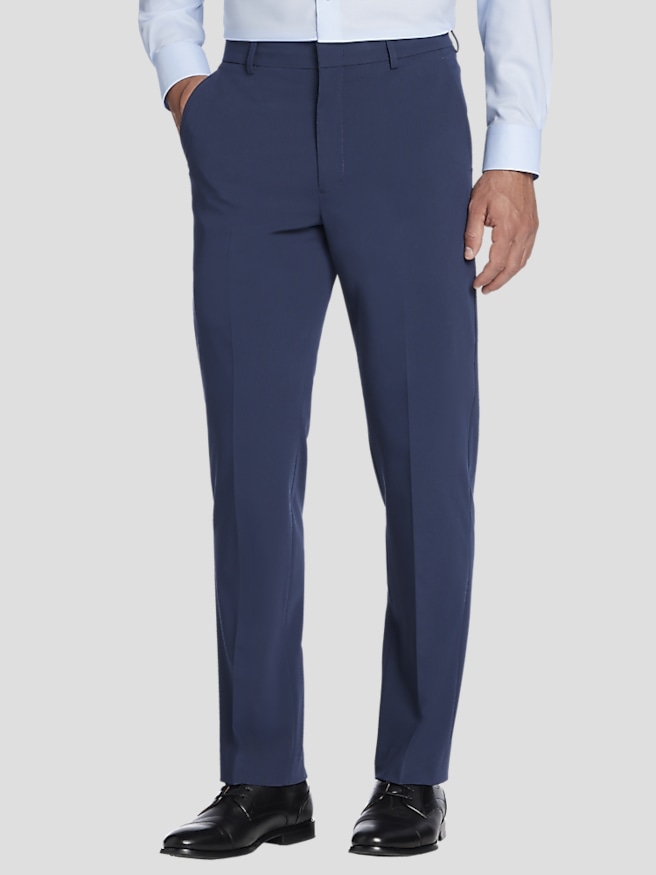
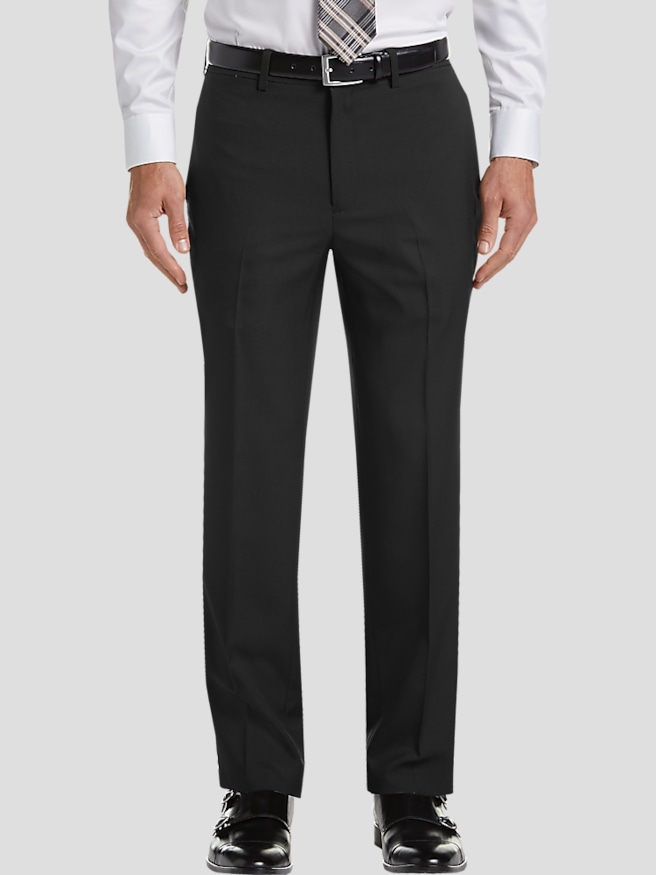
Affordable work clothes for men center on versatile shirts, trousers, chinos, and layers that suit the workplace and hold up to repeated wear. A dependable work wardrobe makes getting dressed straightforward: colors coordinate easily, fabrics feel comfortable through a full day, and the overall look matches the setting. In a business-casual office, that might mean a button-down shirt with flat-front chinos and leather shoes. A workplace with a more traditional dress code may call for tailored trousers, a tucked-in dress shirt, and a jacket. Customer-facing roles often benefit from clothing that looks neat through appointments, conversations at a counter, and time spent moving between departments. The common thread is a polished appearance without unnecessary fuss. Navy, charcoal, gray, and tan create a flexible foundation because they pair naturally with white, light blue, and understated patterns. A striped shirt can add interest beneath a solid jacket, while a textured knit brings variety to plain trousers without making the outfit feel busy. Repeating a few compatible colors helps individual garments work together rather than leaving pieces that only match one outfit. The same navy trousers can look appropriate with an open-collar shirt for an ordinary workday or a jacket and tie for a presentation. Details such as the collar, waistband, and hem influence how finished those combinations look. A collar that sits neatly under a jacket and trousers that meet the shoes cleanly can make a simple outfit feel intentional. For someone starting a first office job, these adaptable foundations establish a professional routine. For someone with an established wardrobe, they help bridge the gap between familiar favorites and a new role or dress code. The most useful work clothing reflects the actual day ahead, including desk time, meetings, a commute, and any expectations around formality.
Fabric and construction determine much of how work clothes feel after several hours and how well they maintain their appearance over time. Cotton is a familiar choice for shirts and chinos because it feels comfortable against the skin and comes in a wide range of textures. Smooth poplin creates a crisp shirt surface, while Oxford cloth has a more noticeable weave that works well in many business-casual settings. Twill fabrics have a diagonal structure and are commonly used in trousers that need both substance and a clean finish. Cotton blends can combine a natural feel with characteristics such as improved wrinkle resistance or shape retention, depending on the fibers and construction. A small amount of stretch may make sitting, reaching, and walking more comfortable, although stretch does not replace a suitable fit. Wool and wool-blend trousers offer another option for professional settings, with drape and texture that complement tailored jackets. Fabric weight matters, too: a cloth should have enough body to hang smoothly without feeling stiff or restricting movement. Durability also depends on details that are easy to overlook when attention stays on color alone. Even stitching, securely attached buttons, smoothly finished seams, and pockets that lie flat all contribute to a garment’s usefulness. Areas that receive repeated friction, including cuffs, pocket edges, and the seat of trousers, deserve particular attention. Fit supports both comfort and appearance. Shirt shoulder seams should sit near the natural shoulder, with enough room through the chest to move without pulling at the buttons. Sleeves should allow the arms to bend comfortably without leaving excess fabric bunched at the wrists. Trousers need room through the seat and thighs, a waistband that stays comfortably in place, and a leg shape that suits the wearer’s proportions. A tapered cut can create a defined silhouette, while a straighter cut offers a different balance without looking oversized. Neither should interfere with sitting through a meeting or walking between appointments. Consistent fit across a wardrobe also makes combinations easier, since shirts, trousers, and jackets maintain a similar level of polish.
Care requirements deserve as much attention as appearance when clothing will be worn regularly. A shirt that needs pressing after every wash creates a different routine from one with an easy-care finish, and neither is automatically the better choice for every wearer. The care label provides the most reliable instructions for washing, drying, ironing, or professional cleaning. Following those directions helps protect the fabric, color, and shape rather than treating every garment the same way. Prompt attention to spills can keep a small mark from becoming a lasting distraction, while checking pockets before laundering helps prevent avoidable damage. Giving clothing room on hangers reduces crowding and unnecessary creasing; structured jackets benefit from hangers that support the shoulders. Rotating frequently worn garments also creates time for appropriate cleaning and keeps the same pieces from receiving all the wear. These everyday habits matter in a work wardrobe built around repeat use. The intended occasion helps determine where more formal clothing belongs within that rotation. For interviews, important presentations, and offices with a traditional dress code, Affordable Men's Suits provide a coordinated foundation for professional dressing. A matching jacket and trousers create a different impression from separates, even when the colors are similar, and can simplify getting ready for an occasion with clear expectations. In less formal workplaces, coordinated separates allow more variation while keeping the overall appearance composed. Work clothing can also be a thoughtful gift for a recent graduate, someone preparing for interviews, or a person moving into a new professional role. Familiarity with the recipient’s measurements, preferred fit, and workplace expectations makes that choice more personal and useful. Someone who spends most of the day seated may prioritize ease through the waist and thighs, while someone frequently presenting may place greater importance on how a jacket sits across the shoulders. Across those needs, a dependable work wardrobe comes down to compatible colors, comfortable proportions, appropriate fabrics, and manageable care. Those qualities help clothing earn a regular place in the workweek rather than remaining reserved for an occasion that rarely comes.