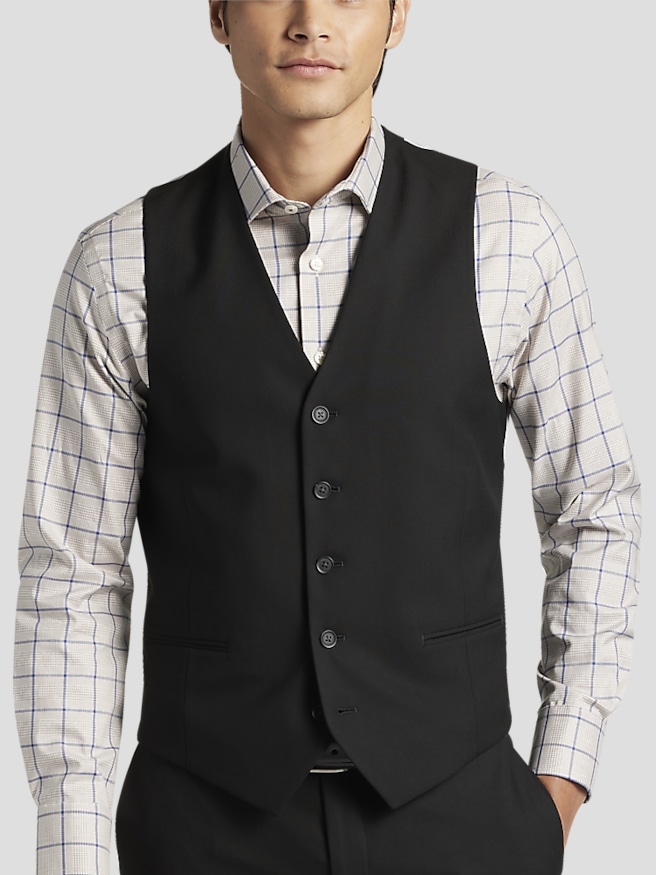
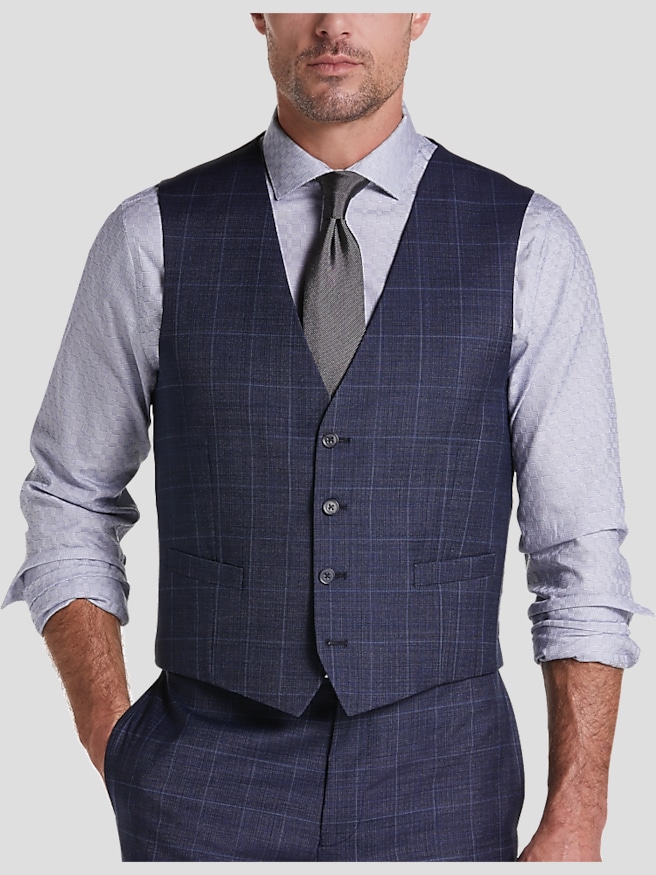
A suit vest gives tailored clothing another layer of definition without requiring a complicated outfit. It draws a clean line through the torso, keeps a shirt looking composed when the jacket comes off, and brings a sense of intention to familiar dress pants. For a wedding guest, that might mean looking polished through the ceremony and reception; for someone heading into a client presentation, it can mean maintaining a finished appearance while seated at a conference table. Suit vests also have a place at graduations, anniversary dinners, and celebrations where a shirt alone feels too relaxed. The most useful choice begins with how the vest will be worn. A vest intended for a complete suit should work closely with the jacket and trousers, while a separate vest can introduce a subtle contrast in color or texture. Fit makes the distinction between looking neatly dressed and feeling restricted. The front should sit close to the body without pulling the buttons sideways or creating horizontal creases across the chest. Armholes should allow natural movement without leaving large gaps, and the neckline should lie smoothly over the shirt rather than standing away from it. Length deserves equal attention: the front should cover the trouser waistband while standing, so a strip of shirt does not interrupt the outfit. Trouser rise affects that relationship, making it helpful to assess both pieces together. A back adjustment strap can refine the waist, but it should not be pulled so tightly that the front puckers or the side seams shift. Try sitting, reaching forward, and fastening the jacket over the vest to check the whole outfit in motion. On many traditional single-breasted vests, the lowest button is left undone to preserve the intended drape, although the garment’s construction should guide that choice. A smooth fit leaves enough room for a dress shirt underneath while keeping excess fabric from gathering around the ribs or lower back.
Fabric influences both the appearance of a suit vest and the way it holds up to repeated wear. Wool and wool-blend fabrics can provide a defined drape and natural resilience, helping a vest recover its shape after time spent sitting. Polyester blends often offer crease resistance and straightforward upkeep, although the care label remains the best source for handling instructions. Cotton can give a separate vest a softer, less formal character, while linen brings a visibly textured surface that develops natural creasing. Neither texture nor fiber content tells the whole story; fabric weight, weave, lining, and construction all affect how a vest feels and falls. A smooth, tightly woven cloth usually reads as more formal than a pronounced weave, making it a practical direction for business dress or an outfit built around a matching suit. Heathered surfaces and restrained patterns add depth without needing a bold shirt or tie. Navy, charcoal, and medium gray are versatile foundations because they work with a broad range of shirt colors, but coordination depends on more than choosing similar shades. Two navy fabrics can look noticeably unrelated when their undertones, sheen, or texture differ. When an exact match is not possible, a deliberate contrast often looks more convincing than a near match. Pairing a vest with Affordable Suit Jackets calls for the same attention to proportion: the jacket should close comfortably over the added layer, and its lapels should frame the vest rather than compete with it. A white or pale blue shirt provides a clear background for most combinations. If the vest has a visible pattern, a quieter tie keeps the center of the outfit from becoming crowded. A narrow tie need not be the automatic choice; its width should make sense alongside the jacket lapels, shirt collar, and overall proportions. For occasions without a jacket, pay attention to the vest’s back panel, since some designs use a contrasting lining fabric that becomes part of the visible outfit.
Details that seem minor on a hanger become important after several hours of wear. Buttons should feel secure, buttonholes should be neatly finished, and seams should lie flat without loose threads or rippling. A lining that moves smoothly over a shirt helps the vest settle into place instead of catching and bunching. Pockets are best kept lightly filled: a bulky phone, key ring, or overstuffed card case can distort the front and pull the hem out of line. If a vest has a chest pocket, a restrained pocket square may add interest when worn without a jacket, but it should not create a lump beneath an outer layer. Regular care helps preserve the clean shape that makes a vest useful in the first place. Follow the garment’s care instructions rather than assuming every tailored piece needs the same treatment. Some fabrics require professional cleaning, while others permit specific washing methods; interlinings and decorative details can affect those requirements even when the outer fabric appears familiar. Between wears, let the vest air out and use a soft clothing brush when appropriate for the fabric. Address marks promptly with a method suited to the material, avoiding vigorous rubbing that can alter the surface. A suitable hanger supports the shoulders and keeps the vest from developing a hard fold across the middle. Before steaming or pressing, check the label and test a discreet area, since excessive heat or moisture can damage certain finishes. For someone establishing a professional wardrobe or preparing for a milestone celebration, a suit vest can also make a thoughtful gift when sizing and dress preferences are known. Chest measurements, usual shirt fit, and the trousers already in rotation provide more useful direction than guessing from a casual clothing size. Whether worn with a matching suit or as a contrasting layer, a well-chosen vest earns its place through balanced proportions, dependable construction, and care that keeps it looking composed.