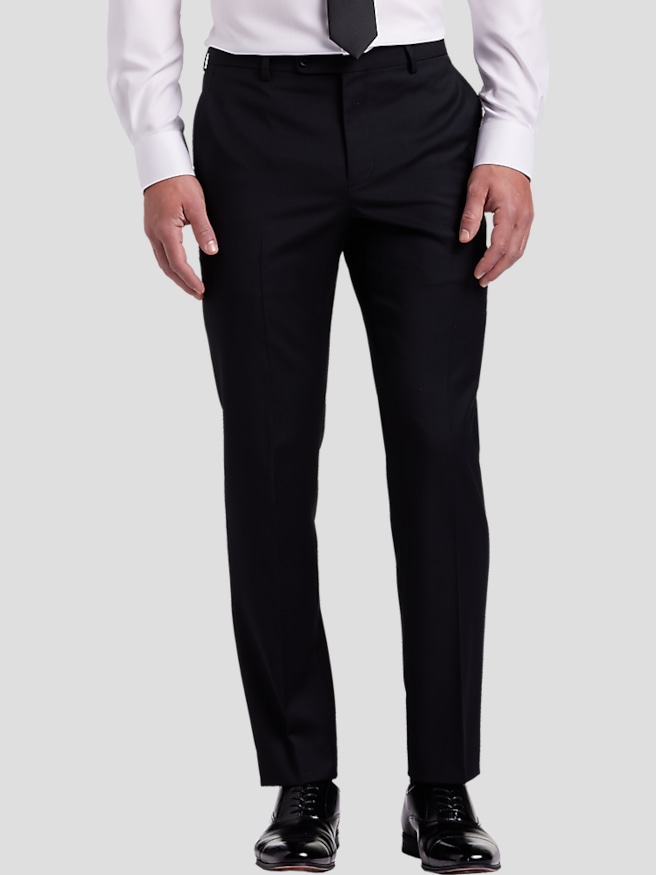
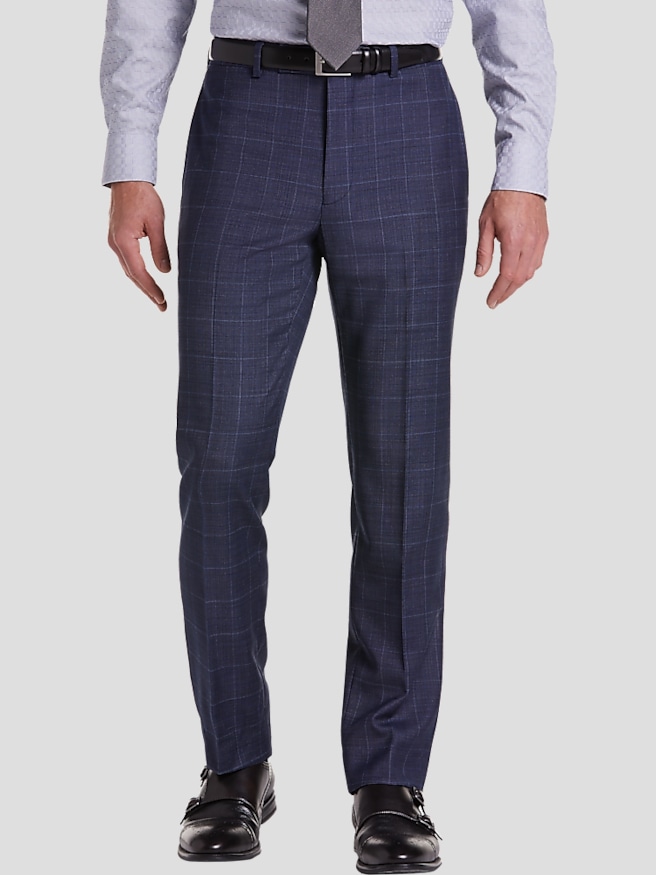
Affordable suit pants bring tailored structure to a wardrobe built around work, celebrations, and occasions that call for more than casual trousers. Suit pants are designed to coordinate with a matching suit jacket, creating a consistent look in fabric, color, and finish; dress slacks can also serve as separates when a coordinated suit is not required. The distinction matters for everything from an interview to a wedding, where a polished outfit depends on how its pieces work together. A well-fitting pair sits securely at the intended waistline, lies smoothly through the seat, and allows enough room to sit, walk, and climb stairs without pulling across the thighs. Slim fits generally follow the leg more closely, while classic fits typically provide additional room through the seat and thigh. Tailored fits often occupy the space between those silhouettes, although fit names and measurements can vary. The most useful details are how the waistband feels when seated, whether the pockets lie flat, and whether the fabric falls cleanly rather than bunching or stretching. Flat-front pants create a streamlined surface, while pleated fronts introduce folds that can provide more room and a distinct tailored character. Neither detail determines fit on its own; the cut through the hips and legs still matters. Length also changes the overall impression. A slight break creates a small fold where the hem meets the shoe, while a shorter, no-break hem gives the leg a cleaner finish with less fabric resting on the footwear. A deeper break produces a fuller drape, but excess length can obscure the trouser shape. For someone wearing tailored clothing through a full workday, comfort and neat proportions need to work together. Pants that look composed during a presentation should also feel comfortable during the commute, at a desk, and over dinner afterward. That balance makes suit trousers useful beyond a single event and helps them become a dependable part of a regular wardrobe.
Fabric and construction influence how suit pants move, hold their shape, and respond to repeated wear. Wool is a traditional suiting material valued for its drape, natural resilience, and ability to release some wrinkles between wears. Wool blends combine that character with other fibers, which may change the texture, weight, care requirements, or resistance to creasing. Polyester and other synthetic fibers can contribute durability and shape retention, while a small amount of elastane can add stretch. Stretch fabric may make sitting and moving more comfortable, but it does not replace a cut that fits properly through the waist, seat, and thighs. Cotton trousers often have a softer, less formal character, depending on the weave and finish, and the jacket pairing should reflect that distinction. A smooth, fine-textured cloth tends to look dressier than a visibly textured fabric, even when both share a similar color. Construction details deserve equal attention: securely attached buttons, even stitching, smooth pocket openings, and a waistband that lies flat all contribute to a tidy appearance. A partial lining can help the fabric slide comfortably over the legs, while reinforced areas may support places exposed to frequent strain. Durability also depends on care habits rather than fiber content alone. The care label is the deciding reference for whether trousers need professional cleaning or can be washed at home. Unnecessary cleaning can be avoided when airing and gentle brushing are appropriate for the fabric. Stains should be addressed according to the garment’s care directions, without aggressive rubbing that could alter the surface. Hanging pants neatly after wear helps preserve their shape, and a properly supported fold can maintain the crease without creating extra wrinkles. Pressing or steaming should follow the fabric’s requirements; excessive heat can damage fibers or leave an unwanted shine. For someone who wears suit pants frequently, alternating between pairs gives each garment time to air and recover its shape before the next wear.
Color, texture, and coordination determine how easily suit pants fit into the rest of a wardrobe. Navy and charcoal create a restrained foundation for business settings, ceremonies, and dinners where tailored clothing feels appropriate. Medium gray offers a softer contrast with many shirts, while black trousers have a sharper visual effect that depends on the occasion and the accompanying jacket. When a full suit is the goal, matching the jacket and trousers in the same fabric is more reliable than choosing pieces that merely look close in color. Two navy fabrics can differ noticeably in undertone, sheen, or weave, especially when placed beside each other. For a coordinated outfit, Affordable Suit Jackets provide the complementary category to consider, with attention to fabric descriptions and matching details. When suit pants are worn separately, deliberate contrast often looks more intentional than an almost-match. Gray trousers with a navy blazer, for example, create a clear distinction between the two pieces. A white or light blue shirt keeps the combination straightforward, while a fine knit can make the outfit feel less formal when the setting allows it. Shoes influence the hem and the overall balance, so the footwear intended for the outfit is useful when assessing trouser length. A belt should sit comfortably through the loops without needing to pull an oversized waistband into place. For graduates, professionals establishing a work wardrobe, and anyone attending weddings or milestone celebrations, these details make tailored pants easier to wear with confidence. They can also make a thoughtful gift when the recipient’s measurements, preferred fit, and usual dress requirements are known. Accurate sizing is especially helpful because a familiar waist measurement does not reveal every detail of rise, thigh room, or leg shape. Whether worn with a matching jacket or combined with separate pieces, suit pants earn their place through comfortable movement, proportionate tailoring, and fabric suited to the way they will be worn.