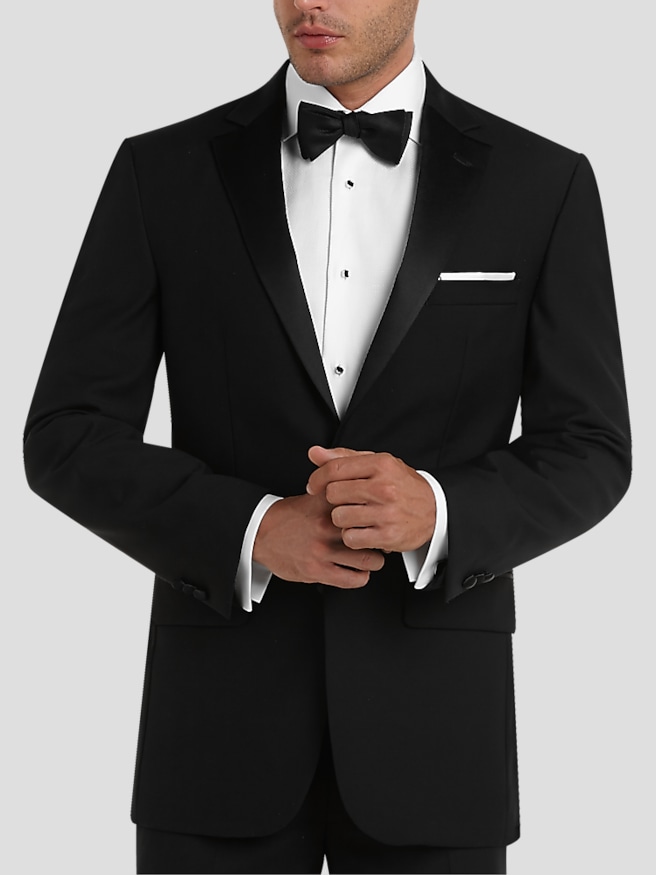
Affordable formal wear centers on well-fitted suits, tuxedos, and coordinating essentials for occasions that call for a polished appearance. Weddings, proms, formal dinners, and milestone celebrations each bring their own expectations, but the foundation is consistent: balanced proportions, comfortable movement, and details that suit the dress code. A dark suit with a dress shirt and tie can work for many weddings and dressier gatherings, while a tuxedo is the traditional choice when an invitation specifies black tie. The distinction comes partly from the finishing details. Tuxedos typically feature satin or grosgrain accents on the lapels and may have a coordinating stripe along the outside of the trousers; suits generally use the same fabric throughout the jacket and pants. Those differences help establish the level of formality before accessories enter the picture. Fit matters just as much as the garment category. A jacket should sit cleanly across the shoulders without extending noticeably beyond them, and the lapels should lie flat rather than pulling away from the chest. When the jacket is buttoned, strong horizontal creases can signal that the body is too tight. Sleeves that reveal a small amount of shirt cuff create a finished appearance, while trousers should fall cleanly without excessive fabric collecting over the shoes. Slim, modern, and classic fits describe different silhouettes, not different levels of sophistication. A closer cut can look sharp when it leaves room to sit and move; a roomier cut can look equally refined when the shoulders, sleeves, and hem are properly proportioned. For someone attending several events with different guest lists and settings, a restrained foundation also makes coordination easier. A change of shirt, neckwear, or pocket square can give familiar tailoring a different character without changing its essential formality. That flexibility makes affordable formal wear especially relevant to graduates, wedding guests, and anyone building a dependable occasion wardrobe. A comfortable waistband and an unstrained jacket back matter during a long ceremony just as much as they do in photographs.
Fabric and construction influence how formal clothing looks after hours of wear, not just how it appears on a hanger. Wool is valued in tailoring for its drape, breathability, and ability to recover from light creasing. Wool blends combine those qualities with other fibers, although the exact feel and performance depend on the composition and weave. Polyester blends can offer resilience and a smooth appearance, while a small amount of stretch may make sitting, reaching, and dancing more comfortable. Stretch does not replace correct sizing, however; a garment that pulls sharply across the shoulders or thighs still needs a better fit. Fabric weight, surface texture, and lining also shape the experience. A fine, smooth weave creates a dressier impression, while a visibly textured cloth may feel less formal depending on its finish. Satin accents provide the controlled contrast associated with tuxedo dressing, and neatly finished edges keep that contrast looking crisp. Inside the garment, secure stitching, smooth seams, and a lining that moves without catching contribute to comfort and durability. Trousers should hang evenly, pockets should lie flat when empty, and closures should operate without strain. These details become noticeable during ordinary moments: settling into a dinner chair, lifting an arm for a group photograph, or standing through a ceremony. Proper care helps preserve that shape between occasions. Following the care label is essential because fiber content, linings, and decorative finishes can require different treatment. A shaped jacket hanger supports the shoulders, and hanging trousers carefully helps prevent unnecessary creases. Letting garments air after wear before placing them in a breathable garment bag helps keep them fresh. Stains deserve prompt attention using the method recommended for the fabric, rather than vigorous rubbing that can spread a mark or disturb the surface. Dress shirts benefit from attention to collars and cuffs, while formal shoes keep a cleaner appearance when wiped down, polished as appropriate, and stored with support. Consistent, fabric-appropriate care helps formal clothing remain presentable across repeated occasions.
The most useful formal wardrobe reflects how it will actually be worn. A wedding guest may need a versatile suit that can move from an afternoon ceremony to an evening reception, provided it matches the stated dress code. A prom attendee may place greater emphasis on coordinated colors, comfortable trousers, and a jacket that stays neat through photographs and dancing. For grooms and wedding parties, Affordable Wedding Tuxedos provides a focused connection to ceremony-ready dressing. Coordinating a wedding party does not require every person to wear the same silhouette; consistent fabric, color, and formal details can create unity while allowing each person an appropriate fit. Shirts and accessories help establish that consistency. A cleanly pressed dress shirt creates a smooth background for neckwear, while a collar that sits comfortably at the neck helps a tie or bow tie look intentional rather than cramped. With traditional black-tie attire, a black bow tie and polished formal shoes maintain the expected level of dress. With a suit, a long tie offers more room for personal expression through color, texture, and a restrained pattern. A pocket square can complement those choices without duplicating the tie exactly, and socks that coordinate with the trousers usually create a cleaner visual line when seated. Accessories can also make practical gifts for someone preparing for graduation, a first formal event, or a wedding, particularly when personal taste and any dress-code requirements are known. Garments require more precise measurements, making neck size, sleeve length, waist, and preferred fit important considerations for a clothing gift. Comfort remains part of the finished look: shoes that fit securely, trousers that allow an easy stride, and a shirt collar that does not pinch make it easier to stay at ease throughout an event. Affordable formal wear is most effective when its parts work together, with suitable fabric, thoughtful proportions, and well-kept finishing details creating an appearance that feels appropriate from the first greeting to the final photograph.