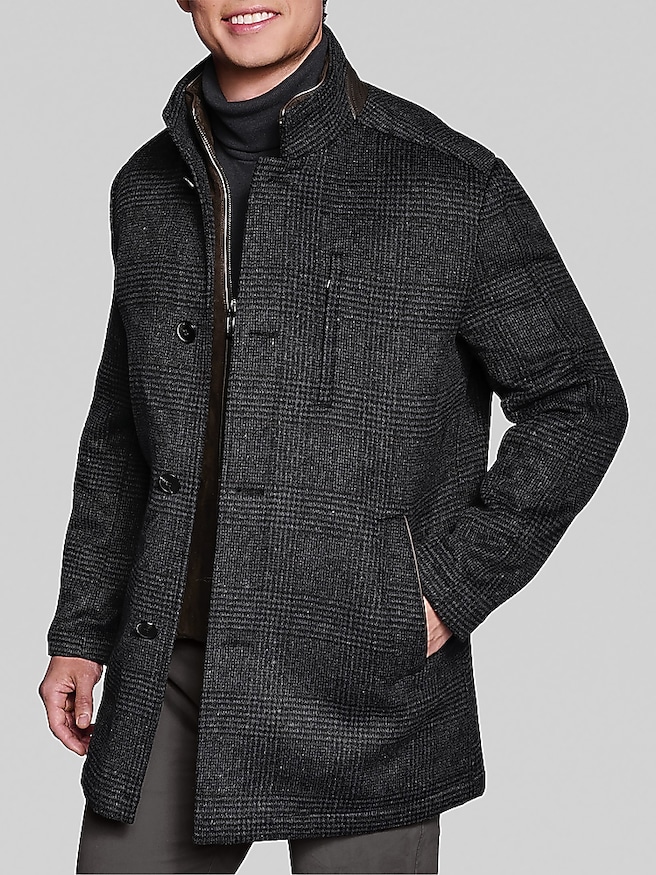
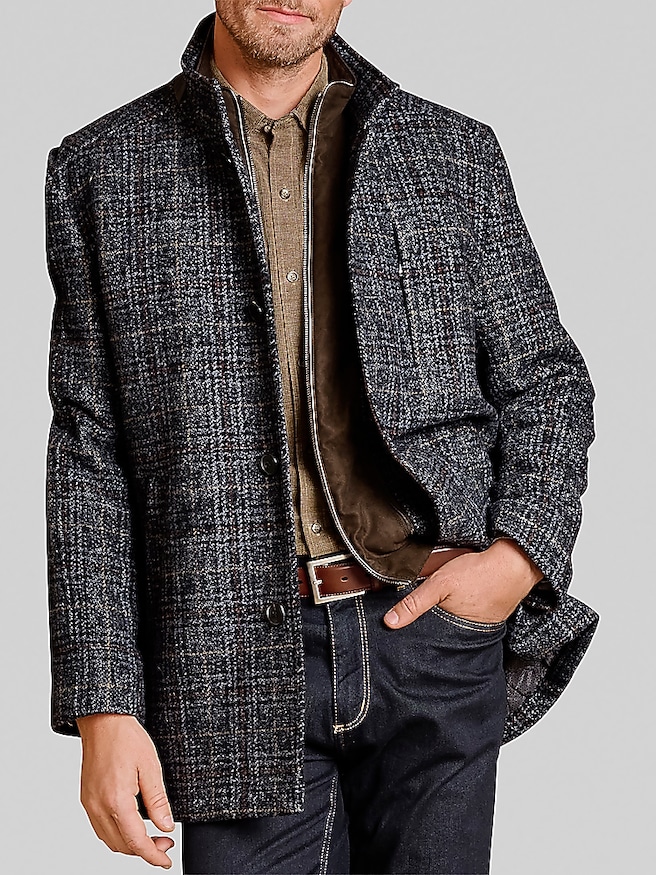
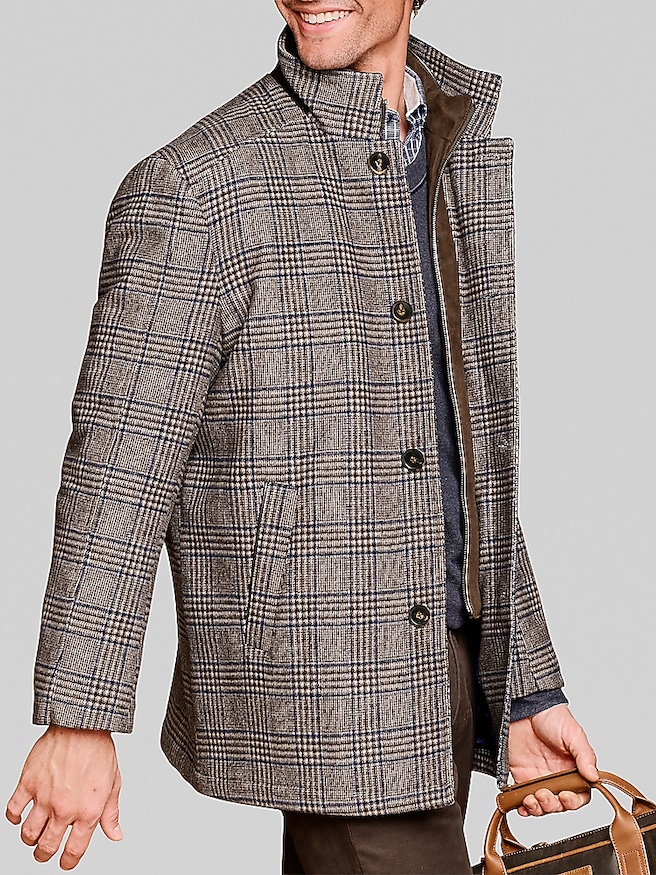
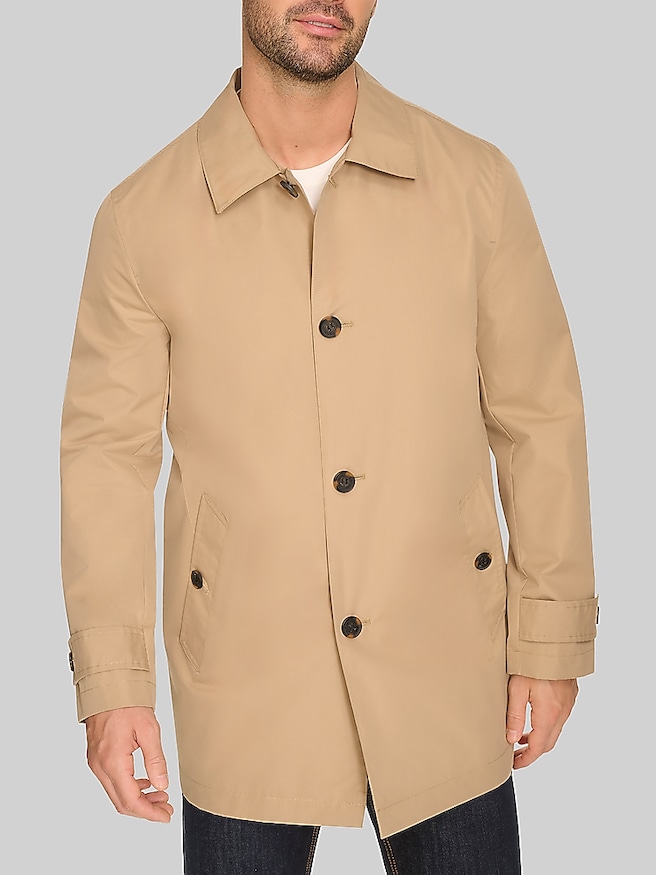
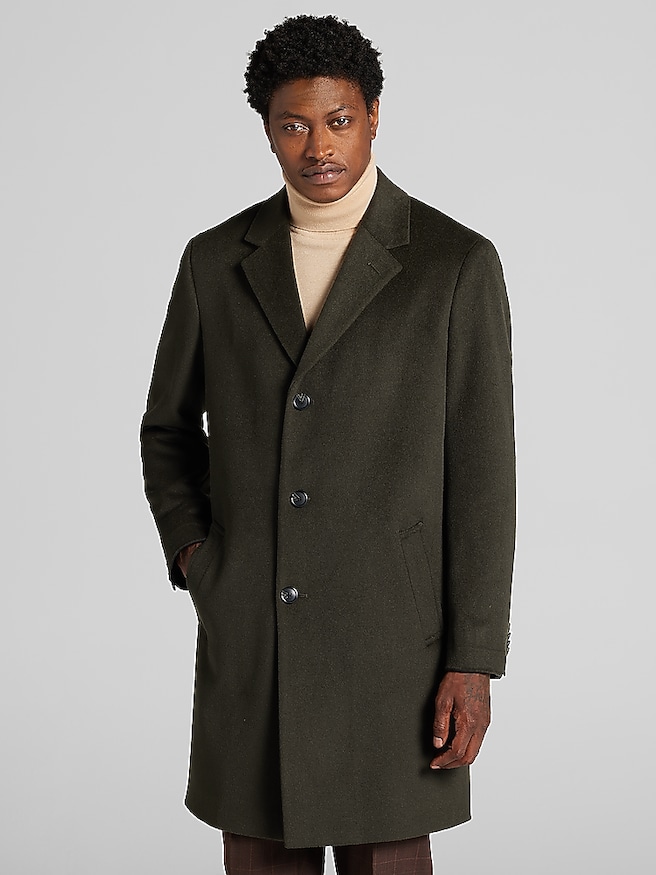
Affordable car coats bring a clean, versatile shape to everyday outerwear, with a length that typically falls around the hip or upper thigh. Originally associated with comfortable movement in and out of a vehicle, the car coat occupies a useful space between a short jacket and a longer overcoat. Its streamlined proportions work well for commuting, heading to dinner, or walking from a parking garage to the office without the extra sweep of a full-length hem. The appeal comes from that balance of coverage and mobility: enough length to complement trousers and layered clothing, with a silhouette that feels comfortable when seated. A car coat can have a button front, a zipper, or a combination of closures, while collar shapes range from a traditional fold-down design to a stand collar that frames the neck. These details influence how polished or relaxed the coat appears, even when the overall shape stays simple. A pointed collar and restrained front can sit naturally over business clothing; a stand collar and visible zipper often feel equally at home with a sweater and dark denim. Pockets add everyday usefulness, especially when their placement allows an easy reach without pulling the front out of shape. Interior pockets can provide a separate place for small essentials, depending on the design. For someone whose day includes a drive, a train ride, and a few blocks on foot, a car coat offers a practical outer layer without making every outfit feel formal. It also suits occasions that fall between dress codes, such as a restaurant dinner after work or a weekend gathering where a sweatshirt would feel too casual. The most adaptable versions rely on proportion, texture, and understated details rather than decoration, making the category a natural companion to both tailored clothing and familiar off-duty staples. That flexibility is especially useful when one coat needs to work across several parts of the day.
Fabric gives a car coat much of its character, affecting its weight, drape, warmth, and care requirements. Wool and wool-blend fabrics often have a substantial hand and a softly textured surface that pairs well with flannel trousers, knitwear, and brushed cotton shirts. Their structure can help a coat hang neatly, although warmth depends on the fabric weight, construction, and lining rather than fiber content alone. Blends may incorporate other fibers to change softness, strength, or how readily the material holds its shape. Cotton-based shells tend to have a crisper appearance, while synthetic fabrics can offer a smoother surface and a lighter feel. Any resistance to rain or wind depends on the particular fabric and finish; a dense weave or substantial texture does not automatically make a coat waterproof. Lining matters, too. A smooth lining helps sleeves slide over a sweater or suit jacket, reducing the tugging that can make layered clothing uncomfortable. Additional insulation changes both warmth and bulk, so two coats with similar outlines may feel quite distinct in use. Durability also depends on the less noticeable parts of construction: securely attached buttons, even stitching, reinforced pocket openings, and a front closure that operates without straining the surrounding fabric. These details matter during repeated wear, especially around cuffs and pockets that receive frequent handling. Care is best matched to the sewn-in label, since similar-looking fabrics may require different treatment. Some coats call for professional cleaning, while others permit washing under specified conditions. Between cleanings, a supportive hanger helps maintain the shoulder shape, and empty pockets reduce the chance of stretching. Allowing a damp coat to dry naturally away from direct heat can also help preserve its finish. Storing outerwear clean and fully dry, with enough closet space to avoid compression, supports a neater appearance over time. For a coat worn several days a week, these small habits can make a noticeable difference in how the fabric and silhouette hold up.
Fit determines whether a car coat feels as useful as it looks. The shoulders should sit comfortably without an exaggerated ridge or a tight pull across the upper back, and the chest needs enough room for the layers normally worn underneath. A coat that fits neatly over a lightweight shirt may feel restrictive over a textured sweater, particularly when reaching forward to a steering wheel or settling into a seat. Comfortable layering does not require an oversized silhouette; it requires enough ease through the body and sleeves to move without distorting the front. Sleeve length should provide coverage without swallowing the hands, while the hem should work with both the wearer’s proportions and the clothing beneath it. For wear over tailoring, enough length to cover the suit jacket generally creates a more cohesive outline. Someone who mostly wears denim and knitwear may prefer a slightly shorter shape with less structure through the body. Color also affects versatility. Charcoal, navy, black, and earth tones can complement a broad range of trousers and footwear, while subtle texture adds depth without demanding a complicated outfit. A dark car coat over a fine-gauge sweater, straight-leg jeans, and leather boots feels composed without being overly dressed. Over a button-down shirt and tailored trousers, the same general silhouette can support a more polished setting. A scarf adds another layer at the neckline, provided there is enough room to close the coat comfortably. For a broader look at outerwear silhouettes, explore Affordable Jackets alongside the clean, practical shape of a car coat. As a gift, this style can suit a commuter, a recent graduate building a work wardrobe, or someone who appreciates clothing that moves easily between everyday plans. Familiarity with the recipient’s measurements, usual layers, and preferred fit makes the choice more personal. A well-proportioned car coat earns its place through repeated use, bringing a consistent finishing layer to outfits without requiring them to be rebuilt around it.