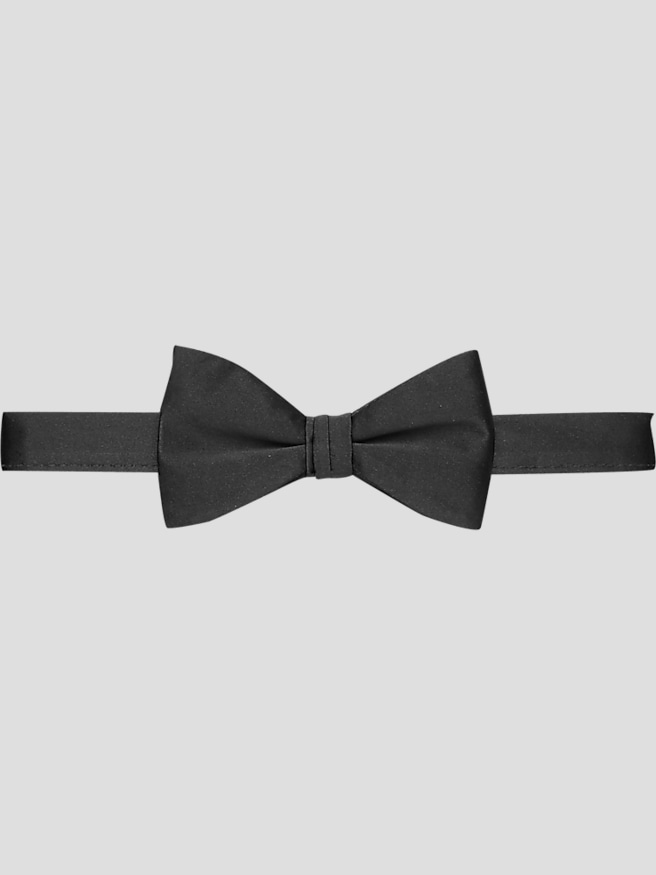
Affordable bow ties bring a distinctive finishing touch to dress clothes, whether the occasion calls for a tuxedo, a tailored suit, or a sport coat with a crisp shirt. Their appeal comes from a compact shape that adds personality without covering much of the shirt front, leaving room for details such as pleats, a textured weave, or a carefully chosen pocket square. A solid bow tie creates a clean focal point, while a small geometric pattern, subtle dot, or restrained stripe adds interest without overwhelming the outfit. Black remains a traditional choice for black-tie events, with the invitation’s dress code setting the tone for the rest of the look. Navy, burgundy, and other rich colors can complement suits for weddings, milestone dinners, and celebrations where personal expression is welcome. A groom may choose a distinctive texture while the wedding party wears a coordinated color; a graduation guest might prefer a quiet pattern that feels dressed up without looking ceremonial. Pattern scale matters as much as color. A finely patterned bow tie usually sits comfortably against a solid shirt, while a larger motif needs a little more visual breathing room. With a checked shirt or patterned jacket, a solid bow tie can keep the combination from feeling crowded. The most cohesive combinations share a color or level of formality rather than matching every accessory exactly. A pocket square with a small accent that echoes the bow tie often looks more natural than an identical fabric pairing. For a business reception, gallery opening, or evening performance, a bow tie can also lend character to otherwise familiar tailoring. The result depends less on making a dramatic statement than on bringing the collar, jacket, and accessory into balance, so the wearer looks comfortable in the clothes rather than dressed for a role.
Fabric influences how a bow tie looks, how it holds its shape, and how it should be cared for. Silk can have a smooth sheen or a textured surface, giving it a place in both formal and more expressive combinations. A lustrous finish feels especially polished beside a tuxedo’s satin details, while a less reflective weave introduces depth without drawing as much attention. Polyester is often chosen for its resilience and ability to hold a consistent shape, though its feel and finish vary with the weave and construction. Cotton offers a more matte appearance that works naturally with less formal tailoring. Linen has visible texture and may develop small creases that contribute to a relaxed look, while wool provides a soft, substantial surface that complements textured jackets. Knit constructions bring another dimension, with a tactile finish and a shape that can feel less ceremonial than smooth woven fabric. None of these materials determines the dress code on its own; color, pattern, construction, and the rest of the outfit all contribute. Durability depends on details beyond the fiber label. Neat stitching, securely finished edges, a well-attached neckband, and hardware that adjusts smoothly help a bow tie stand up to repeated wear. Self-tie styles experience handling each time they are knotted, making gentle tying and untying useful habits. Pulling sharply on the fabric can strain seams or leave stubborn creases. Care should follow the label, especially when a bow tie combines an outer fabric with an internal layer that helps maintain its shape. A material that tolerates moisture does not necessarily make the whole accessory washable. After wear, an untied bow tie benefits from being smoothed gently and stored without a tight knot. Pre-tied shapes keep their appearance best when they are not crushed beneath heavier accessories. Clean hands, careful storage, and prompt attention to marks help preserve the finish, while any pressing or professional cleaning should suit the fabric and construction.
Fit is what makes a bow tie feel like part of an outfit instead of an afterthought. The neckband should sit securely beneath the shirt collar without pressing into the neck, and an adjustable band needs enough range to accommodate the wearer’s collar size. A comfortable fit matters during a long wedding reception or formal dinner, when an accessory that felt fine for a quick mirror check may become distracting after several hours. Bow size also affects the overall impression: a fuller shape makes a stronger statement, while a narrower silhouette offers a more understated finish. The width of the face, the spread of the collar, and the scale of the jacket lapels all help establish proportion. A broad bow can crowd a small collar, just as an especially narrow one may look slight against substantial lapels. Self-tie styles develop a little natural asymmetry, giving the knot and loops an individual character. Pre-tied styles offer a consistent shape and a straightforward fastening, which can be useful for someone who wears a bow tie only occasionally or prefers a simpler dressing routine. Both benefit from a collar that frames the bow neatly and keeps the band discreet. Those drawn to streamlined proportions, subtle texture, or a sharper geometric outline may also find inspiration in Modern Bow Ties, where the emphasis is on a contemporary interpretation of this established accessory. Bow ties can make thoughtful gifts for a partner, father, brother, graduate, or friend who enjoys dressing with intention. A familiar color or pattern is often easier to incorporate than a bold design chosen without reference to the recipient’s wardrobe. Neck size, preferred fastening, and usual occasions are worth knowing, too. Whether worn for an important celebration or brought out regularly with a favorite jacket, a well-proportioned bow tie earns its place through comfort, versatility, and a finish that suits the person wearing it.