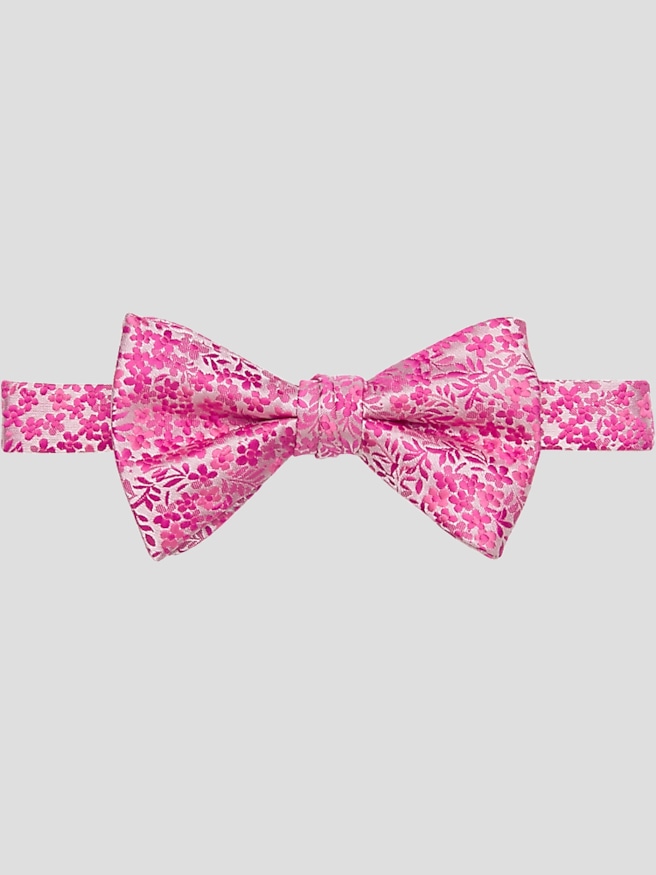
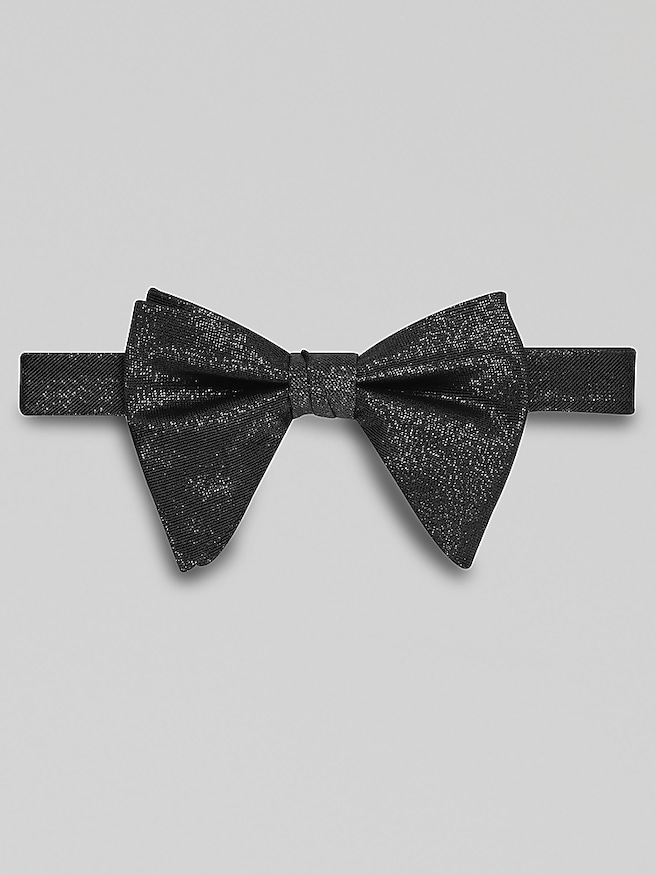
Modern bow ties bring contemporary color, texture, and proportion to an accessory with deep formalwear roots. Their defining feature is not a single shape or fabric, but the range of expression they allow: a compact silhouette, an unexpected geometric pattern, a textured weave, or a familiar butterfly shape in a distinctive shade. They can look restrained with a dark suit or become the focal point of a simpler shirt-and-jacket combination. Silk remains a natural choice for a polished finish, with smooth satin reflecting light and textured silk offering a quieter surface. Cotton and linen bring visible weave and a less glossy appearance, while wool adds a soft, substantial texture that pairs well with similarly textured tailoring. Knitted constructions create another effect, giving the bow a tactile surface rather than a crisp, flat face. Fabric blends can balance appearance, structure, and ease of care, although the fiber content and care label matter more than broad assumptions about any material. Small dots, fine stripes, abstract motifs, and woven patterns give modern bow ties their variety without requiring loud color. A pattern that appears almost solid from a distance can reveal considerable detail across a dinner table, making it especially useful for someone who prefers an understated look. Larger motifs create a stronger visual statement and generally work best when the shirt and jacket provide a quieter background. Color has a similar role: navy, charcoal, burgundy, and deep green offer alternatives to black, while lighter or brighter shades draw more attention toward the face. The most convincing combinations have something in common—a shared undertone, a related texture, or a deliberate contrast—without making every accessory match exactly. A modern bow tie can therefore feel distinctive without looking disconnected from the rest of an outfit, whether the setting calls for evening tailoring, a wedding suit, or a relaxed blazer.
Shape and fit determine how that personality translates when the bow tie is worn. A broad butterfly shape has a fuller presence, a narrow batwing looks more linear, and pointed ends introduce an angular detail. None is inherently more modern than another; scale, fabric, and the surrounding clothes make the difference. A bow that is too wide for the wearer’s face or collar can overwhelm the neckline, while an unusually small bow may look lost against a broad collar and substantial jacket lapels. A balanced proportion lets the shirt collar frame the bow rather than compete with it. Adjustable neckbands help accommodate different collar sizes, but the stated adjustment range still deserves attention, especially when choosing a gift. The band should sit securely beneath the collar without pulling it inward or creating pressure at the throat. Self-tie bow ties develop a slightly individual shape each time they are tied, with small variations that give the finished knot character. Pre-tied versions offer a consistent outline and can make dressing more straightforward for someone who wears a bow tie only occasionally. Both can look polished when the proportions are right and the fastening remains concealed. Intended use also helps narrow the aesthetic. At an event with a traditional black-tie dress code, a black bow tie in an appropriate formal fabric remains the clearest choice; a contemporary look does not override the expectations of the invitation. Weddings, celebratory dinners, and arts events may allow more room for color or pattern, depending on the setting and requested attire. A textured bow with an understated blazer and a solid shirt creates a different impression from a satin bow worn with a tuxedo. For a creative workplace or an informal gathering, a small-scale pattern can add personality without dominating the outfit. A pocket square can pick up one secondary color rather than repeat the bow tie’s entire design, giving the combination a coordinated but less prescribed appearance.
Construction and care matter as much as the first impression, particularly for an accessory that is folded, tied, adjusted, and stored between occasions. Even stitching, secure attachment points, and neatly finished edges help a bow tie maintain its appearance through repeated wear. Fabric weight and internal structure influence whether the bow holds a defined outline or settles into softer folds; neither effect is automatically better, but each suits a different preference. A smooth silk bow may show abrasion or a snag more readily than a textured surface, while a loosely woven fabric can catch on rough jewelry or an unfinished fingernail. Care should follow the label, since washing, heat, and stain treatments affect fibers and construction differently. An adjustable band or pre-tied shape does not mean the entire accessory is machine washable. For structured bows, unnecessary crushing and tightly packed storage can distort the outline, and direct heat can alter a fabric’s surface. Giving the accessory enough space in a drawer or storage compartment helps preserve its shape and keeps fastening hardware from catching adjacent fabrics. For frequent wear, dependable adjustment hardware and a fabric suited to the wearer’s routine can be just as valuable as a striking pattern. As a gift, a bow tie offers room for personal recognition: a father who favors classic tailoring may appreciate subtle woven texture, a brother who enjoys expressive accessories may gravitate toward pointed ends or an unusual motif, and a graduate may find a versatile design useful for celebrations ahead. Neck size, preferred fastening, and usual dress habits make the choice more considered than color alone. For an especially expressive look, Unique Bow Ties offers a related direction to explore. The lasting appeal of modern bow ties lies in that balance of individuality and usefulness: enough distinction to feel personal, with the proportion, construction, and finish to belong naturally in the wearer’s wardrobe.