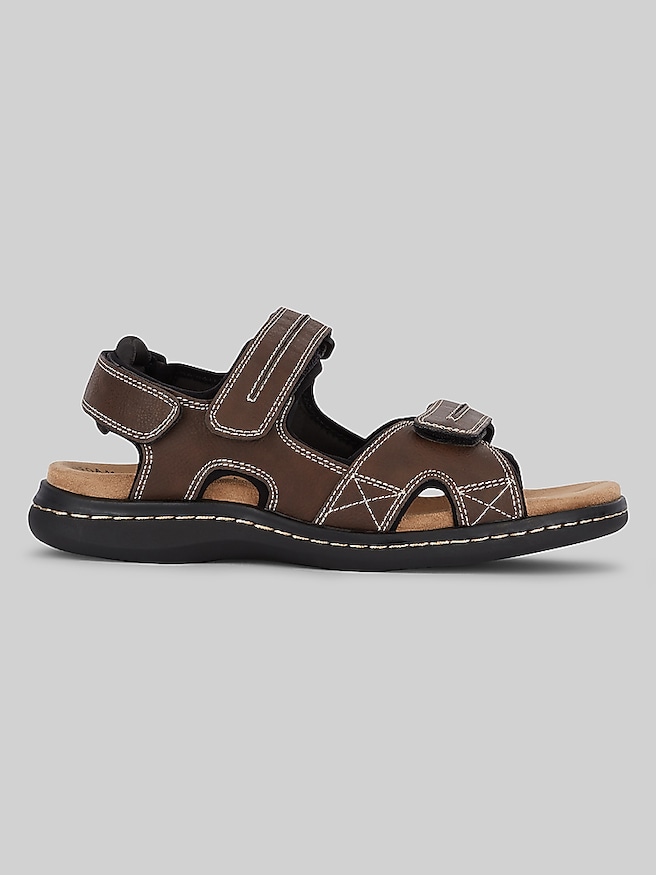
Adjustable sandals are open footwear with straps or closures that can be tightened or loosened to refine the fit around the foot. Buckles, hook-and-loop fasteners, and sliding strap systems allow changes across the forefoot, over the instep, or behind the heel, depending on the design. That flexibility distinguishes an adjustable sandal from a fixed-strap style: the upper can accommodate some variation in foot shape without requiring the foot to conform to one set opening. For men with a higher instep, a narrower heel, or feet that differ slightly in volume, separate adjustment points can make everyday footwear feel more secure. The benefit is especially noticeable during ordinary moments, such as walking from a hotel room to breakfast, browsing a neighborhood market, or spending an afternoon with friends. A strap that sits comfortably at first may need a small adjustment after more time on foot. Multiple closures let the fit change in one area without overtightening another. Adjustability does not replace correct sizing, however, and it cannot make a footbed that is too short or too narrow fit properly. Toes and heels should rest within the footbed rather than extend beyond its edges, with enough room to avoid rubbing against raised borders. Across the top of the foot, straps should feel secure without leaving deep pressure marks or forcing the toes to grip during each step. Back straps can help hold the heel in position, while adjustable slides offer a simpler, open-back shape for relaxed use. The best match depends on both foot shape and the kind of movement expected throughout the day. For someone who values an uncomplicated slip-on routine, Easy Wear Sandals offers a related footwear theme to explore. An adjustable design adds the ability to fine-tune that ease, bringing a more personalized fit to casual dressing without making the fastening process complicated.
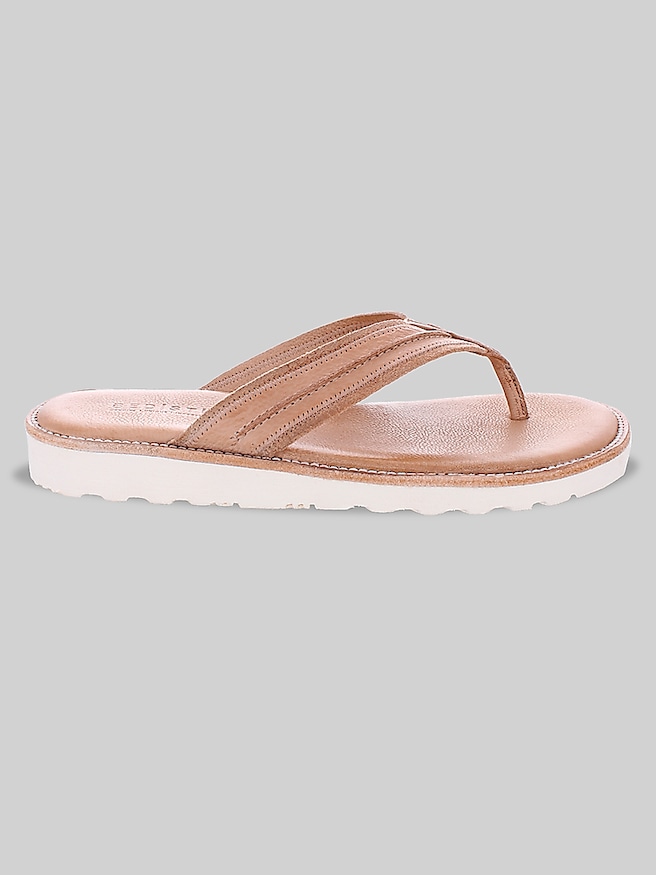
Materials influence how adjustable sandals feel against the skin, how much structure they provide, and how they hold up to repeated wear. Leather uppers often have a substantial feel and can soften with use, making them a natural companion to chinos, relaxed trousers, and casual shorts. Smooth leather has a cleaner visual finish, while textured leather can make minor surface marks less noticeable. Suede offers a softer, matte appearance but generally needs more protection from moisture and staining. Textile straps tend to feel less substantial than thick leather, although comfort still depends on the weave, edge finishing, and placement of seams. Synthetic uppers vary widely: some are supple and easy to wipe clean, while others are firmer and designed to maintain their shape. No material alone guarantees comfort. A broad strap can distribute pressure across a larger area, but a stiff edge or poorly positioned seam may still create friction. Soft lining and neatly finished contact points matter where straps cross the toes or meet the ankle. Underfoot construction deserves equal attention. Foam cushioning can soften the feel of each step, while a firmer molded footbed may provide a more defined platform. Cork blends, foam compounds, and layered constructions each have their own feel, and the deepest cushion is not automatically the most comfortable choice for every foot. A shaped heel cup and contoured arch should align with the wearer’s anatomy rather than push against it. Outsole design also affects intended use. Rubber compounds and tread patterns can support grip, but performance depends on the surface and the footwear’s stated purpose; an adjustable closure does not turn a casual sandal into technical walking equipment. For errands and unhurried outings, a balance of cushioning, flexibility, and secure fastening is often more useful than excessive bulk. For longer stretches on foot, heel retention and a stable base become especially noticeable. Simple straps in restrained colors can sit comfortably alongside a polo and tailored shorts, while more substantial webbing creates an unmistakably casual look with a T-shirt and drawstring pants.
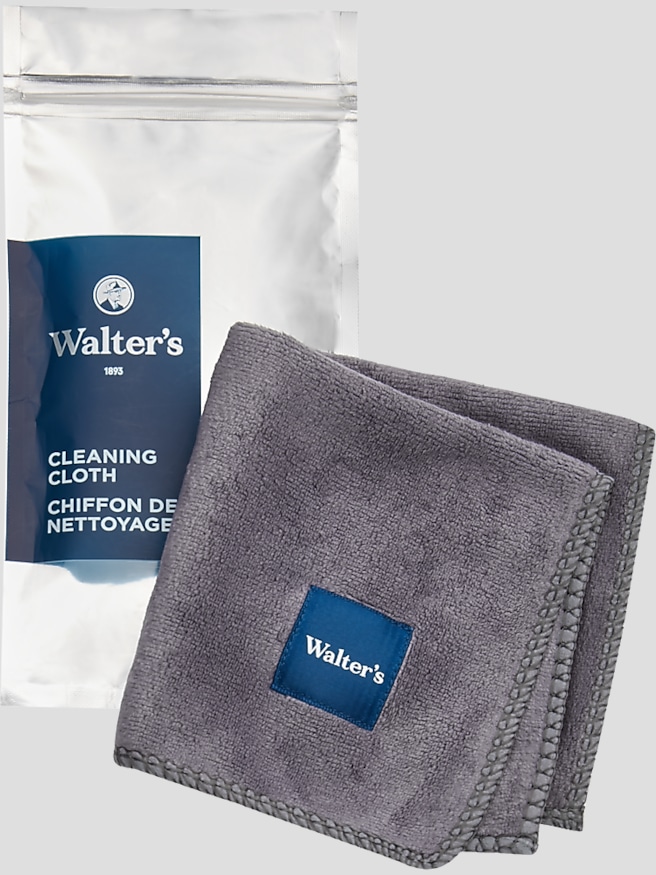
Durability in adjustable sandals comes from the whole construction, not just the thickness of the sole. Straps flex at the same points with every step, fasteners are opened and closed repeatedly, and the connection between the upper and footbed carries regular tension. Even stitching, secure attachment points, smoothly finished hardware, and closures that hold their position all contribute to dependable wear. Buckles should lie comfortably without pressing into the foot, and their adjustment holes should allow a secure setting without pulling the strap to its limit. Hook-and-loop closures need enough overlap to stay fastened during movement; fastening only the very edge leaves less surface area engaged. Sliding adjusters should hold their setting rather than gradually loosen. Care should follow the material and the maker’s instructions, particularly when several materials share one sandal. Surface dust can usually be removed with a soft brush or cloth, while leather may need an appropriate cleaner or conditioner used sparingly. Suede calls for tools and treatments intended for its textured finish. Textile and synthetic components may tolerate gentle spot cleaning, but soaking is not suitable for every adhesive, lining, or footbed. Sandals that become damp should dry naturally away from direct heat, which can distort components or affect bonded layers. Clearing lint from hook-and-loop fasteners helps preserve contact, and removing grit from strap junctions reduces unnecessary abrasion. Between wears, a dry, ventilated storage space helps the footbed air out without crushing the straps. These small habits suit footwear that becomes part of a familiar routine, from heading out for coffee to relaxing after a day in closed shoes. Adjustable sandals can also make a thoughtful gift for a father, partner, or friend who prefers casual footwear with a customizable fit, provided the recipient’s size and preferences are known. Closure placement, footbed feel, and preferred coverage are personal details worth considering. A well-matched pair offers enough adjustment to settle comfortably around the foot, enough structure for its intended use, and a straightforward design that works naturally with an everyday wardrobe.