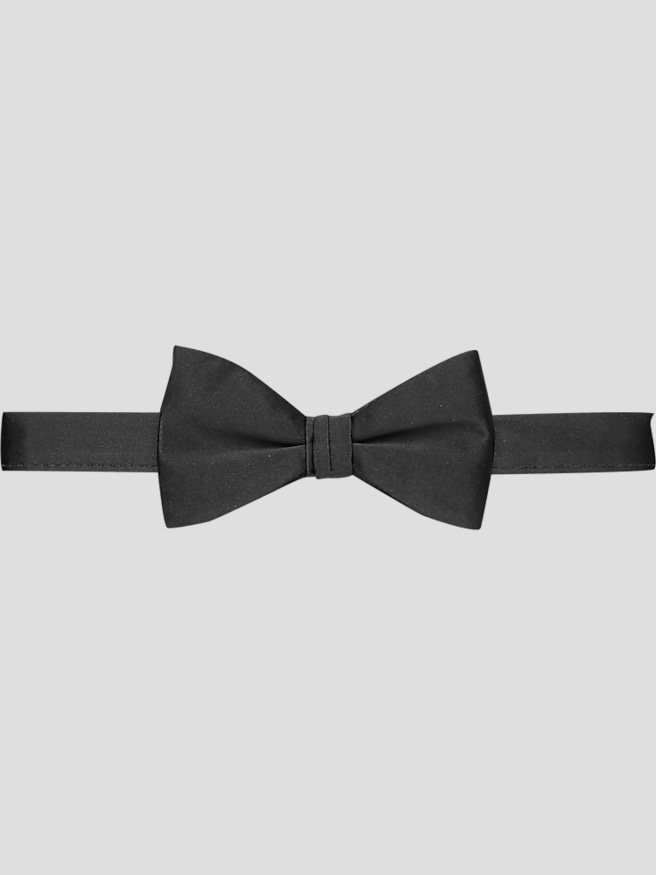
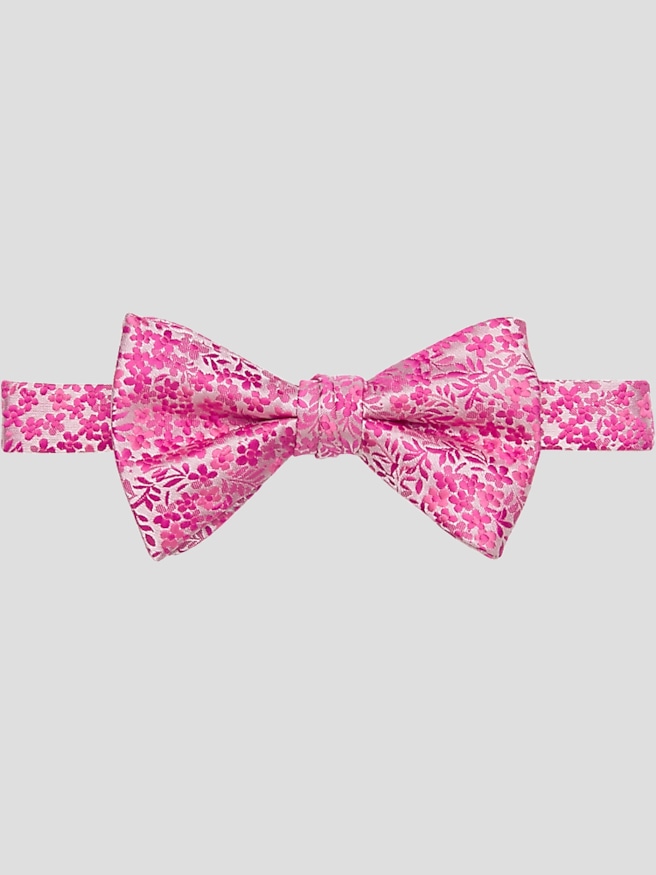
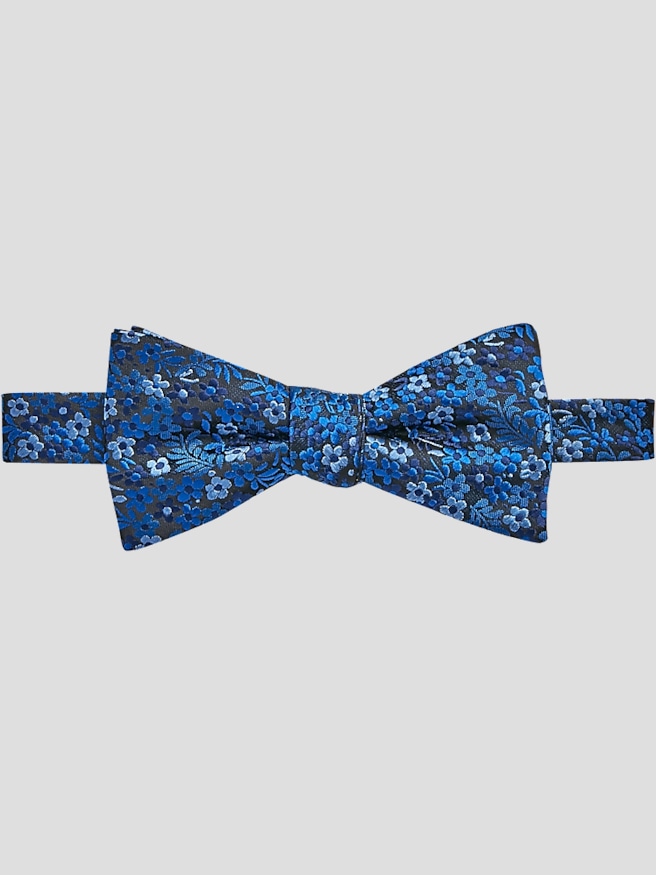
Adjustable bow ties bring a tailored finishing touch to dress shirts, suits, and tuxedos, with a neckband that can be lengthened or shortened for a comfortable fit. Rather than relying on a single fixed measurement, they use a sliding buckle, a hook-and-loop arrangement, or a T-bar that connects to marked positions along the band. The adjustment range varies by design: some accommodate neck sizes from about 13 to 22 inches, while others cover a narrower span, so the stated measurements matter more than an adjustable label alone. A well-fitted band rests securely around a buttoned shirt collar without pulling it inward or pressing against the neck. The bow should sit centered over the top button, with enough stability to stay upright through a ceremony, a seated dinner, or an evening on the dance floor. Both pre-tied and self-tie bow ties can have adjustable neckbands. Pre-tied styles hold their shape and typically fasten behind or beside the neck, making them a practical choice for getting dressed quickly or keeping a coordinated group looking consistent. Adjustable self-tie styles allow the wearer to set the band length before tying the bow by hand, creating the slight asymmetry associated with a traditionally tied bow. That distinction affects appearance as much as convenience: a pre-tied bow offers a predictable silhouette, while a self-tied bow has folds and curves that reflect how it was tied. Neck size is only one part of the fit. The width of the finished bow should also feel proportional to the face, shirt collar, and jacket lapels. A broad butterfly shape has more presence against substantial lapels, while a narrower batwing shape creates a restrained line. The adjustable band controls the fit around the neck; it does not necessarily change the width of the bow itself. Together, these details help an accessory look deliberately chosen rather than simply fastened into place.
Fabric gives an adjustable bow tie much of its character, influencing its sheen, structure, and the way the knot settles. Silk can have a smooth, luminous surface or a textured weave, so fiber content alone does not determine how formal a bow tie looks. Satin describes a weave rather than a fiber and may be made from silk or synthetic materials. Its reflective finish brings a crisp accent to evening clothing, especially when the bow complements the finish of the tuxedo lapels. Grosgrain offers a ribbed surface with a more subdued gleam, while matte woven fabrics put greater emphasis on shape and color. Cotton and linen tend to suggest a more relaxed approach, pairing naturally with textured jackets and less formal gatherings; their visible creases can be part of that character. Polyester fabrics can hold a defined shape and resist some everyday wrinkling, although construction and care still influence long-term appearance. A neatly finished bow should have balanced edges, secure stitching, and enough body to remain recognizable without looking stiff or bulky. Color and pattern then set the tone. Black is the traditional choice for black-tie attire, while navy, burgundy, and other deep shades offer versatility with suits when the dress code allows. Small dots, understated geometric motifs, and woven patterns add detail without necessarily dominating a shirt and jacket. A patterned bow often works best against a solid shirt, where its outline remains clear; a solid bow can provide a quiet focal point beside a checked or striped shirt. For a cleaner, more contemporary direction, Modern Bow Ties offer another point of reference for shape, texture, and pattern. The most convincing combinations do not require every accessory to match exactly. A pocket square that picks up a secondary color, rather than repeating the bow tie fabric, can make an outfit feel considered without appearing overly coordinated. The occasion’s dress code remains the strongest starting point, particularly for formal evening events.
Adjustable bow ties suit a wide range of occasions, from weddings and prom to awards dinners, performances, and celebrations where a jacket and tie feel appropriate. For a wedding party, adjustable neckbands can simplify coordination across several collar sizes, though each wearer still needs a band with a suitable measurement range. A pre-tied style can be especially useful for someone who rarely wears formal clothing and wants a consistent finish without practicing a knot. A self-tie style may appeal to someone who enjoys the ritual of dressing and appreciates a bow with a little individual character. As a gift, an adjustable bow tie can be a thoughtful choice for a graduate preparing for formal events, a partner marking an anniversary, or a friend known for distinctive accessories. Familiarity with the recipient’s usual shirts, preferred colors, and comfort with tying a bow helps make that choice more personal. Durability depends on the less visible details as well as the fabric: a slider should hold its position, a closure should connect securely, and stitching around attachment points should remain intact under normal use. Hardware that lies flat beneath the collar also contributes to comfort during long events. Repeatedly tugging on the bow instead of releasing its fastening can strain the band and distort the fabric, particularly on pre-tied styles. Care requirements vary, so the care label should determine whether professional cleaning, spot treatment, or another method is appropriate. Rubbing a spill can spread the mark or roughen the surface; gentle blotting is a better immediate response before following the recommended cleaning instructions. Self-tie bows benefit from being untied after wear, while pre-tied bows should be stored without crushing their formed shape. Keeping either style flat or loosely arranged in a dedicated compartment protects the edges and helps prevent snagging on other accessories. With thoughtful sizing, compatible fabric, and careful handling, an adjustable bow tie can remain a dependable finishing piece across many occasions.