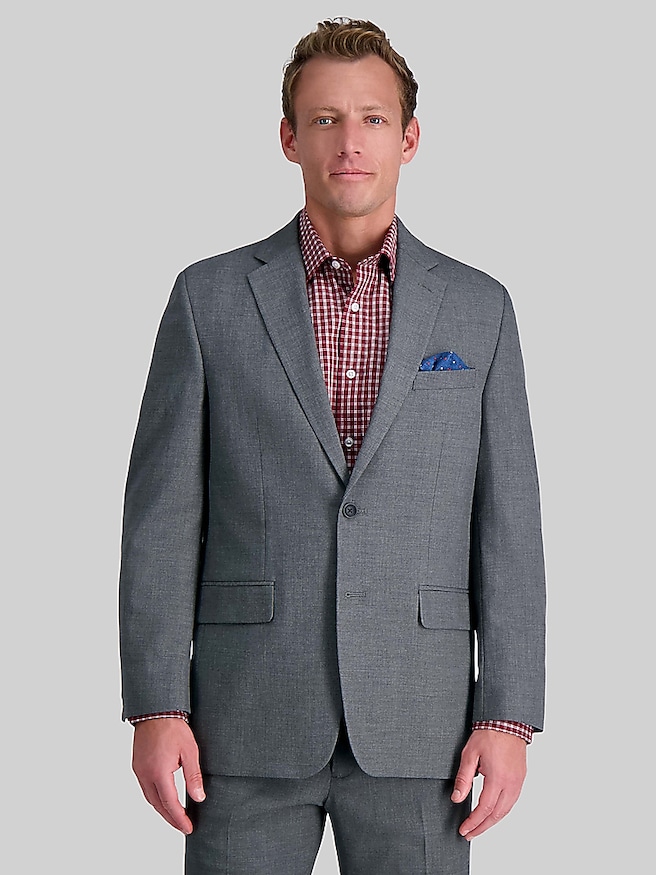
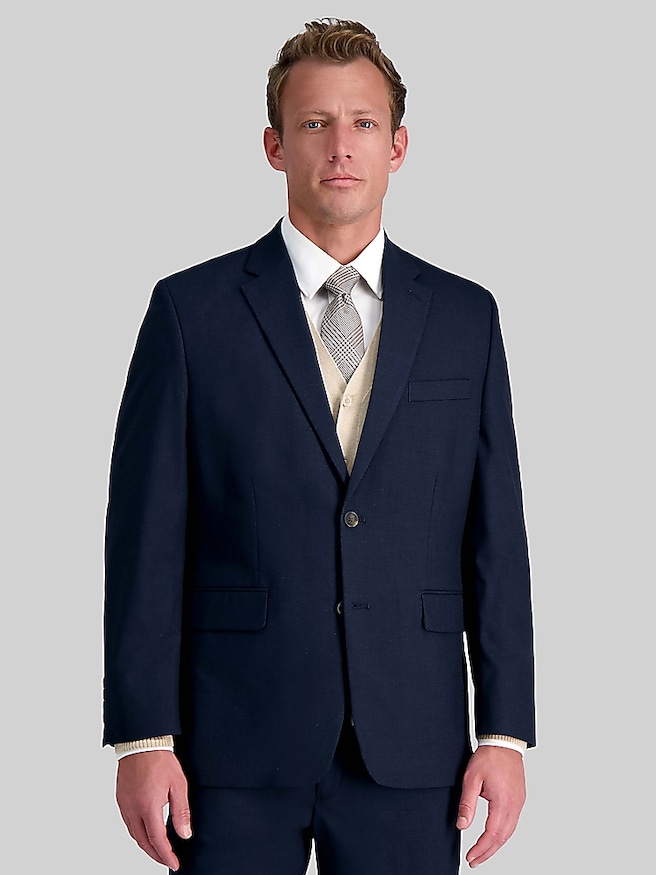
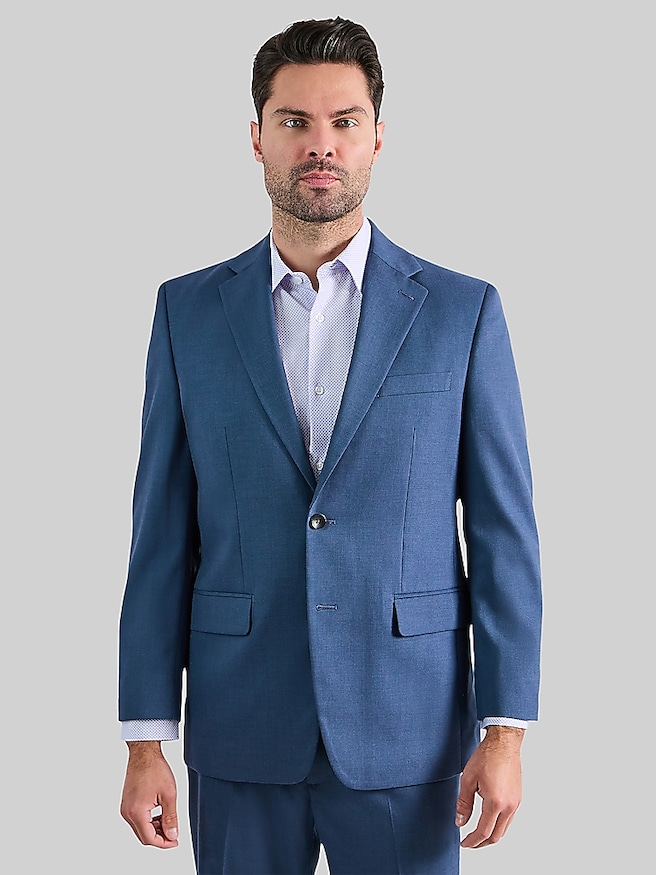
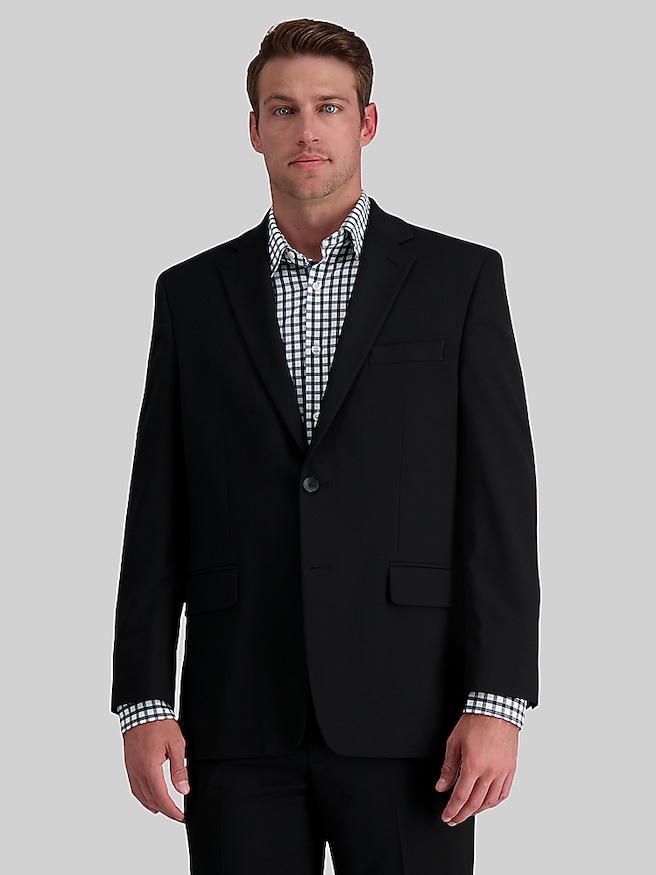
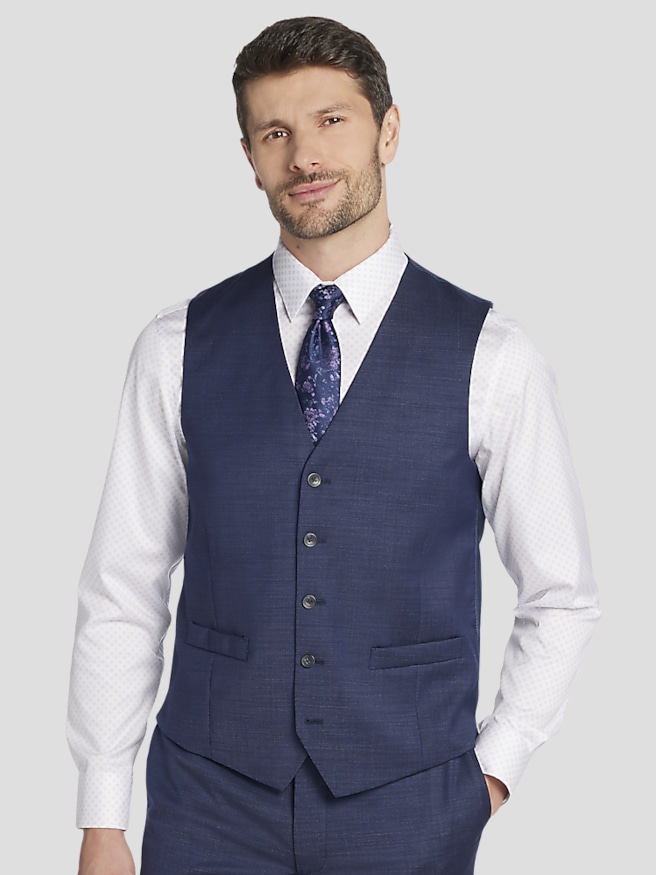
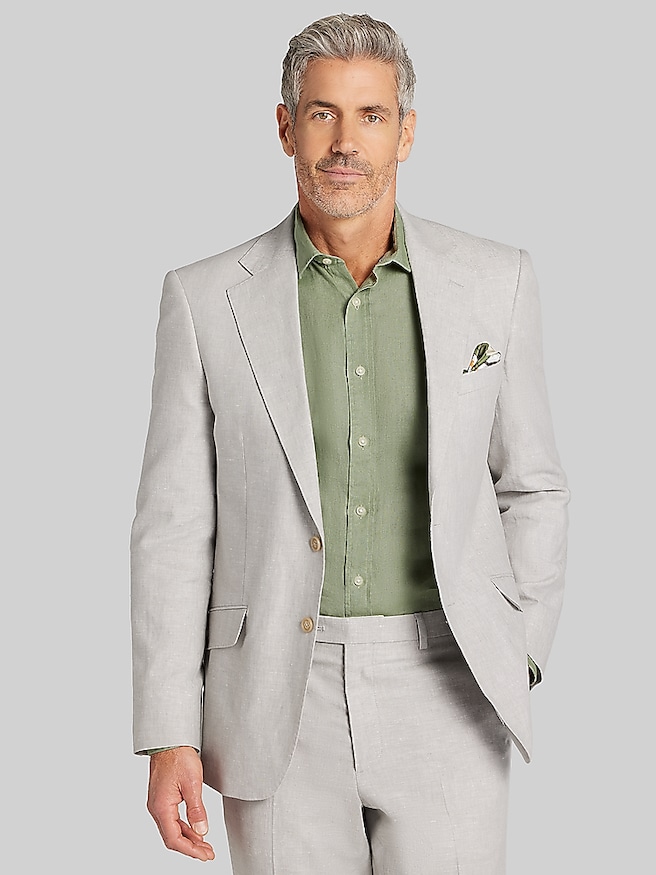
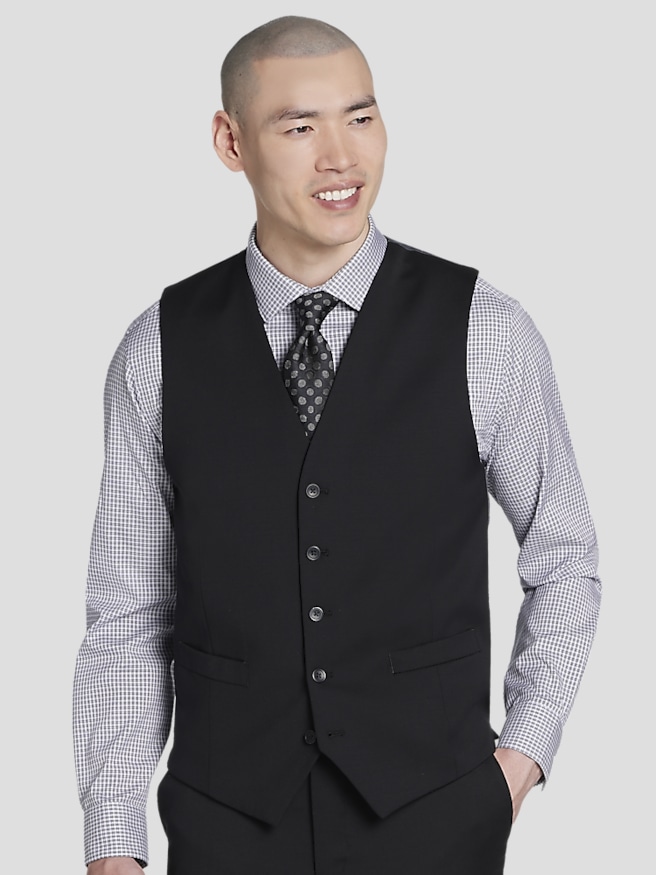
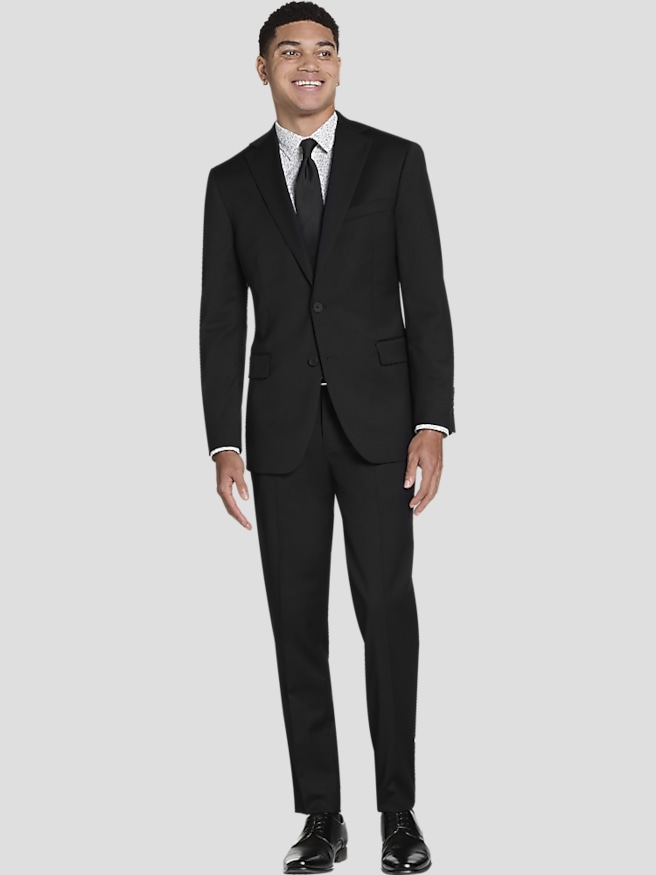
6XLT sized suits bring tailored structure to big-and-tall dressing, with proportions intended to accommodate a fuller build and additional height. The 6XL portion generally indicates an extended size, while the T indicates tall proportions; exact measurements depend on the maker and garment. That distinction matters because a suit needs to fit through the shoulders, chest, torso, and legs rather than simply provide extra width. A taller frame may need a longer jacket body, longer sleeves, and an appropriate trouser rise as well as a longer inseam. Alphabetical sizing also does not translate universally into a numbered suit size. Chest circumference, waist measurement, sleeve length, and inseam provide a more useful starting point than the label alone, especially when comparing garments with separate jacket and trouser measurements. For someone who typically wears 6XLT shirts, the corresponding suit fit still depends on its cut, construction, and sizing chart. A balanced jacket follows the shoulders without extending noticeably beyond them, rests smoothly against the shirt collar, and closes without pulling the front into an X-shaped crease. Its length should provide appropriate seat coverage and look proportional to the torso, not merely match the reach of the sleeves. Trousers complete that balance with enough room through the seat and thighs to sit, walk, and climb stairs comfortably. These details make big-and-tall suits useful for business meetings, wedding celebrations, milestone photographs, and other occasions that call for a coordinated, polished appearance. A good fit should feel composed at a presentation and comfortable enough for the dinner afterward. Size categories remain distinct rather than interchangeable: 2x Sized Suits represents a separate sizing category, not a direct substitute for 6XLT proportions. The most dependable comparison is always between body measurements and garment specifications, with particular attention to the areas that are difficult to reshape through alterations. That approach helps preserve the intended silhouette while leaving practical room for a dress shirt and everyday movement.
Fabric and construction influence how a 6XLT suit hangs, moves, and holds its appearance through repeated wear. Wool is a traditional suiting material because its natural resilience helps fabric recover from ordinary creasing, while its drape supports a clean line across the chest and down the leg. Wool blends can combine that tailored appearance with other performance characteristics, although the fiber percentages and weave matter more than a broad fabric description. Polyester blends may offer wrinkle resistance and durability; fabrics containing elastane can provide some give when reaching across a conference table or settling into a chair. Stretch does not replace sufficient room, however, and a jacket that strains at the button is still too close through that area. Linen has a more visibly textured surface and develops creases as part of its character, making it a distinct choice for less rigid dress codes rather than an exact substitute for smooth business suiting. Fabric weight also affects structure: a fluid cloth falls softly, while a more substantial cloth can give the jacket and trousers a firmer outline. Inside the jacket, the lining helps it slide over a shirt, and the chest construction contributes to how the front holds its shape. Clean seams, neatly finished buttonholes, and pockets that lie flat are useful signs of careful finishing. The overall impression also depends on color and pattern. Solid navy and charcoal create a restrained foundation for professional settings and many celebrations, while a subtle stripe or check adds visual detail without requiring elaborate accessories. Pattern scale should feel balanced across the jacket and trousers, with the shirt and tie supporting rather than competing with it. For frequent wear, a versatile fabric and understated finish can make the same suit suitable for several settings through a change of shirt, tie, or shoes. For a single significant occasion, the dress code remains the priority; a coordinated suit is appropriate for many gatherings, but an invitation specifying black tie calls for a distinct level of formal dress.
Comfort in extended-size tailoring comes from the relationship between the jacket and trousers as much as either garment on its own. Suit separates can accommodate a chest and waist that do not align with the proportions of a matched set, provided the pieces are intended to coordinate in fabric and color. A similar-looking dark blue jacket and pair of trousers may not read as a suit if their textures or shades differ. Through the trousers, the rise determines where the waistband sits and how much room exists between the waistband and crotch. An appropriate rise helps the trousers stay in position without pulling when seated, while enough space through the thigh allows the fabric to fall rather than catch. Pleats can add room and shape, and a flat front can look equally polished when the cut allows sufficient ease. Where included, an adjustable waistband provides flexibility, but it cannot correct a seat or thigh that is too tight. At the hem, a slight break over the shoe creates a familiar tailored finish; excessive fabric pooling can obscure an otherwise balanced fit. Alterations can refine sleeve length, trouser hems, and some waist shaping, though the extent depends on seam allowances and construction. Major shoulder changes and substantial jacket-length corrections are more involved, which makes a sound initial fit especially valuable. For gifting, confirmed measurements and the recipient’s preferred cut are more useful than guessing from a casual-clothing size. Care then helps protect both fit and appearance. The garment’s care label should govern cleaning, since shell fabric, lining, and internal structure may have separate sensitivities. A broad, shaped hanger supports the jacket shoulders, and neatly hung trousers help maintain the crease. Emptying pockets after wear prevents unnecessary strain; gentle brushing can remove surface lint before it settles into the cloth. Allowing space between garments helps avoid crushing lapels and sleeves in the closet. With thoughtful fit, appropriate finishing, and consistent care, a 6XLT suit can provide a dependable foundation for occasions when looking put together should not come at the expense of moving comfortably.