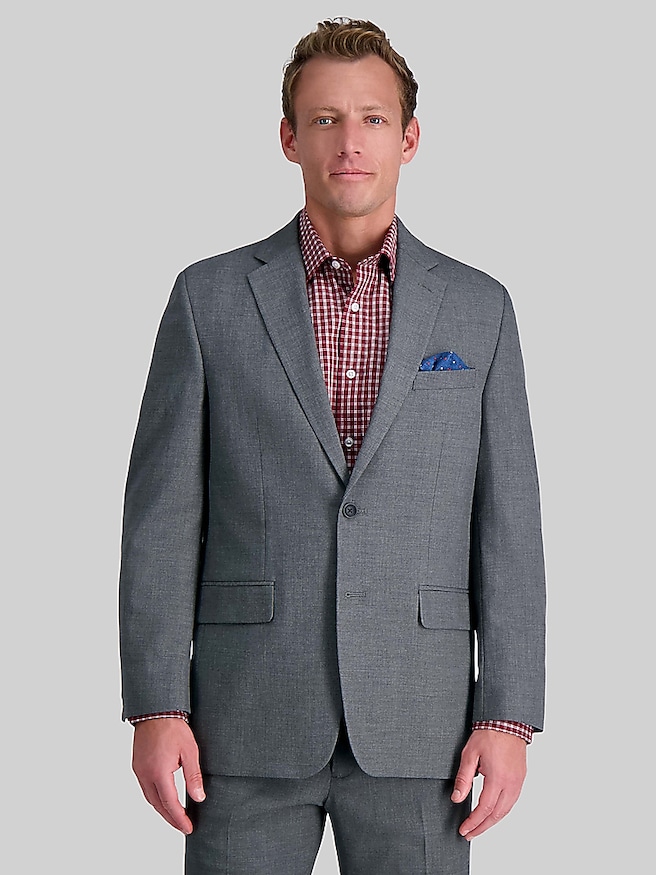
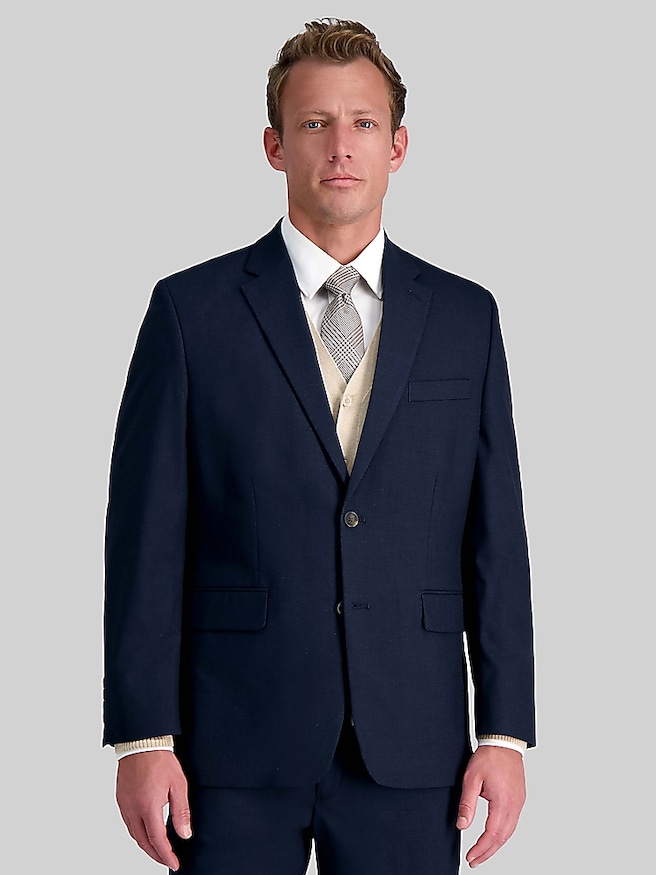
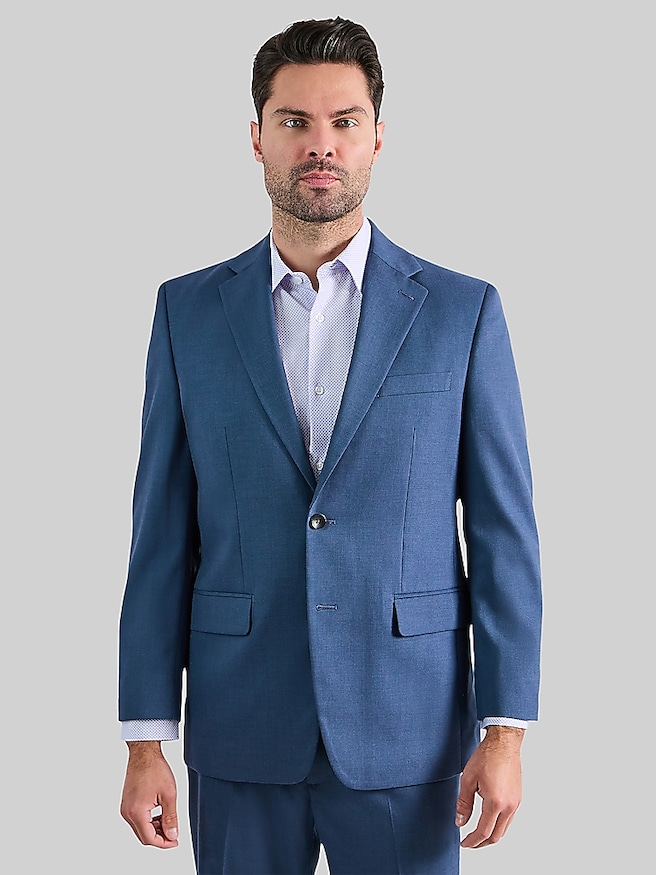
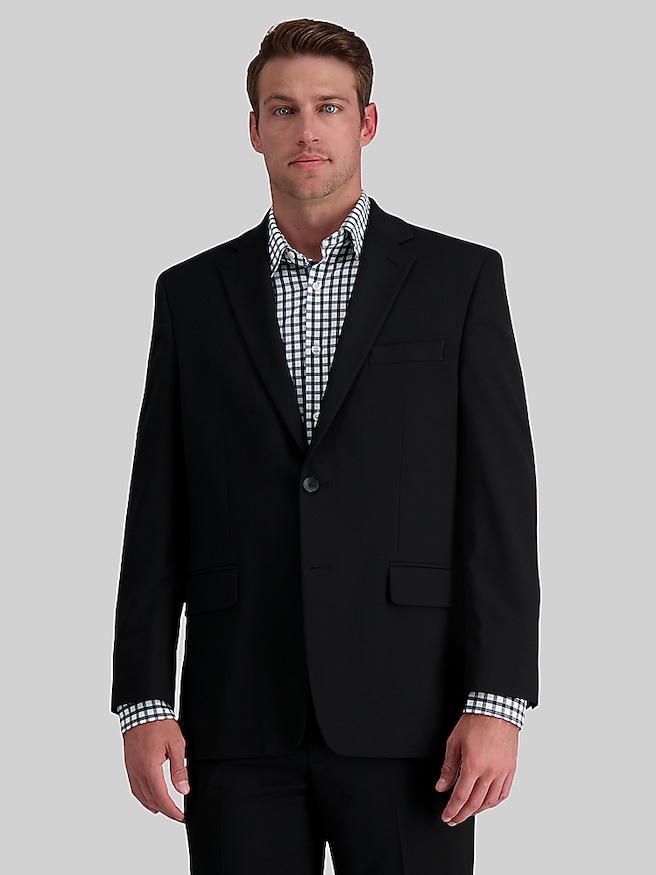
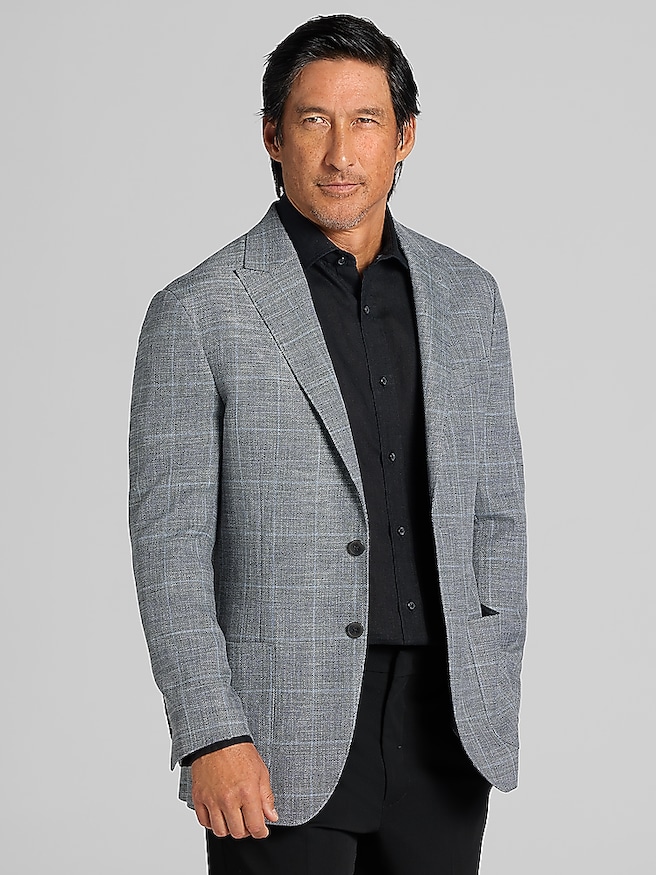
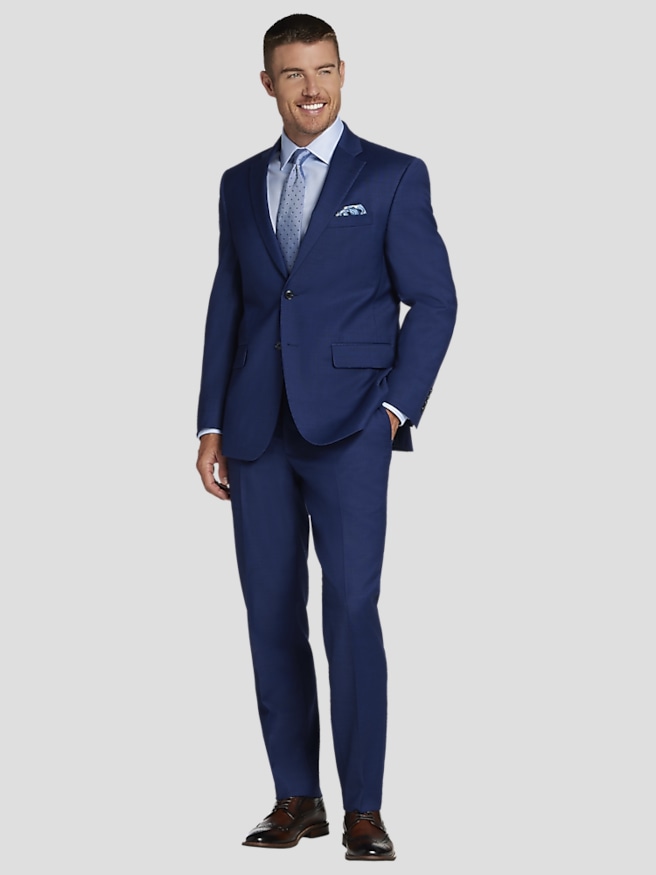
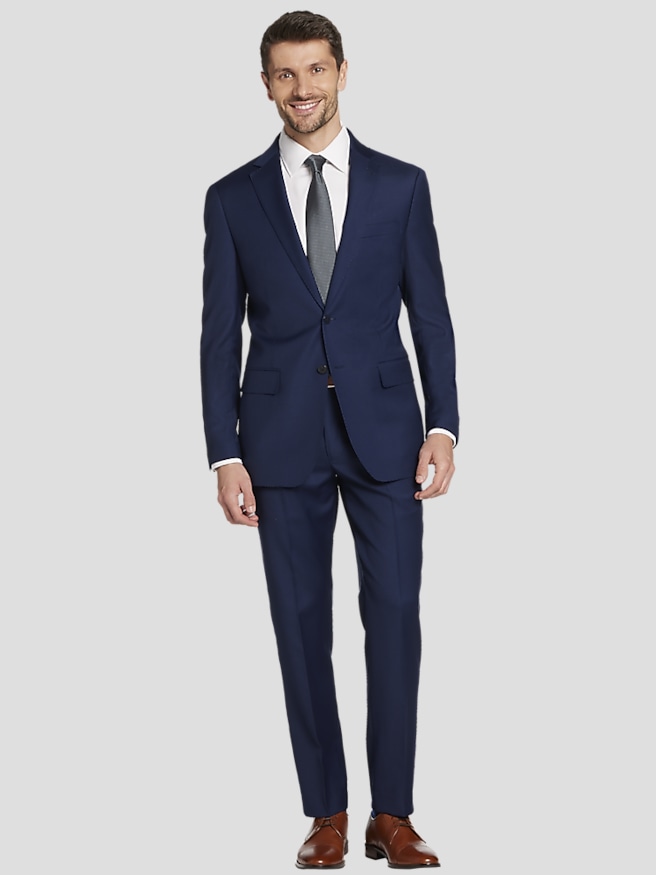
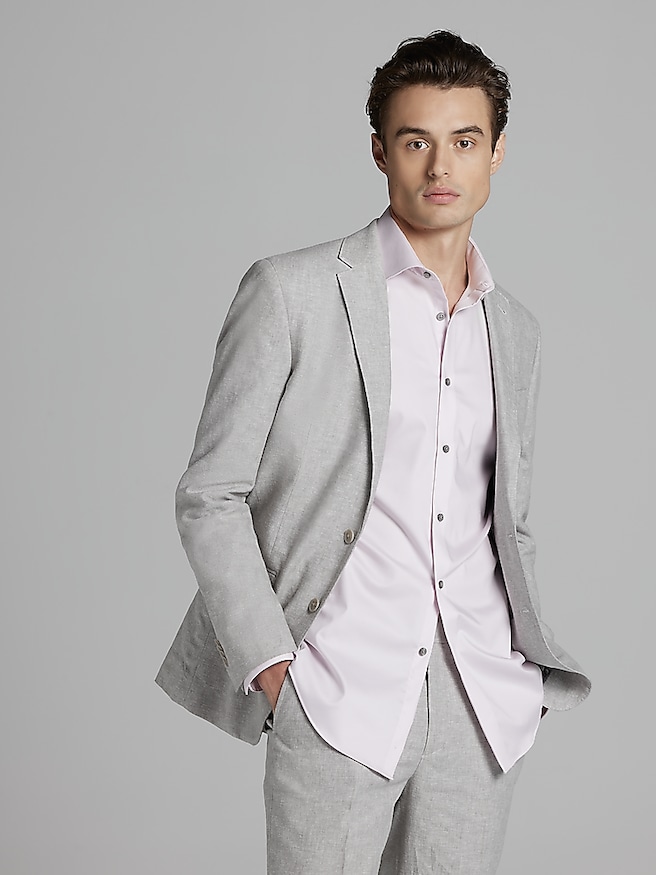
50R suit jackets are generally sized for a 50-inch chest with a regular-length body and sleeves. The number refers to the wearer’s chest measurement, not the exact circumference of the finished jacket; the garment includes extra room for movement and the clothing underneath. The R identifies regular length, distinguishing it from short and long proportions. Height can help establish a starting point, but torso length, arm length, shoulder width, and posture all affect how a jacket sits. Two people with the same chest measurement can need noticeably distinct cuts, especially through the upper arms and midsection. A well-proportioned 50R jacket rests smoothly across the shoulders, lies close to the shirt collar without a pronounced gap, and buttons without pulling the front into an X shape. The hem typically covers the seat, while the sleeves leave a small amount of shirt cuff visible when the arms hang naturally. These details give the jacket a balanced outline rather than simply making it feel roomy enough. Classic-fit silhouettes generally provide more space through the chest and waist, while slim-fit silhouettes sit closer to the body. Modern fit often falls between the two, though fit names and measurements vary by maker. For someone with broad shoulders, a full chest, or substantial upper arms, the distribution of that space matters as much as the size label. A jacket should allow everyday movements such as shaking hands, reaching across a conference table, or sitting through a ceremony without persistent binding. Shoulder fit is particularly important because substantial shoulder changes are difficult to tailor. Sleeve length and modest waist adjustments are often more manageable, depending on the construction and available fabric. Regular length is not interchangeable with a smaller chest size or a shorter cut. For comparison, 44S Suit Jackets use a nominal 44-inch chest size and short proportions, making them a separate sizing category rather than a substitute for 50R.
Fabric and construction shape the appearance, comfort, and longevity of a 50R suit jacket as much as its cut. Wool is a traditional suiting material because it drapes smoothly, breathes well, and naturally recovers from some creasing. Fine, smooth wool can create a refined surface for business settings and formal celebrations, while a more visibly textured weave gives the cloth additional depth. Wool blends combine those characteristics with other fibers, and their performance depends on the full composition rather than the word “blend” alone. Polyester can contribute resilience, while a small amount of elastane can provide stretch. Stretch fabric may make seated movement easier, but it does not compensate for shoulders that are too narrow or a chest that pulls when buttoned. Fabric weight also influences the way a jacket hangs: a lighter cloth may feel less substantial, while a denser weave can produce a more defined drape. Neither is automatically better; the right balance depends on the intended use and personal preference. Lining helps a jacket slide over a dress shirt and gives the interior a finished feel. Partial lining exposes more of the inside construction and can reduce the amount of material against the body. Across the front, internal structure supports the lapels and helps the chest maintain its shape. Softer construction follows the body more closely, while more structured shoulders create a sharper outline. Details such as lapel width, pocket style, and vents further influence the overall impression. Notch lapels work naturally in many professional and social settings, while peak lapels bring a more pronounced dressy character. Side vents can help the back of the jacket fall neatly when seated or moving. For repeated use, tidy seams, secure buttons, a smooth lining, and fabric that holds its shape are practical qualities worth noticing. High fiber fineness alone does not guarantee greater durability; delicate cloth may need more attentive handling than a sturdier weave.
The usefulness of 50R suit jackets extends from daily office dressing to interviews, weddings, milestone dinners, and presentations where a composed appearance matters. Navy and charcoal create versatile foundations for dress shirts and ties, while black has a distinct, formal presence that suits certain dress codes. Subtle stripes or checks add visual interest without necessarily dominating the outfit, especially when paired with a solid shirt. For a complete suit, the jacket and trousers should match in fabric, color, and pattern; two pieces described as navy can still look mismatched when placed together. Suit separates allow the jacket and trouser sizes to be selected independently, which can be useful when the chest and waist do not follow standard paired proportions. A suit jacket worn with contrasting trousers needs a deliberate combination of color and texture, since very smooth, formal cloth may look disconnected from casual pants. At an interview, a clean shirt collar, restrained tie, and properly hemmed trousers keep attention on the person wearing them. At a wedding, the invitation’s dress code should determine the level of formality; a conventional suit jacket is not a replacement for a tuxedo when black tie is required. For someone giving tailored clothing as a gift, a confirmed size and an understanding of the recipient’s preferred fit are more useful than a chest measurement alone. Thoughtful care then helps preserve the jacket’s shape between occasions. A broad, contoured hanger supports the shoulders, and adequate closet space prevents the lapels and sleeves from being crushed. Emptying the pockets after wear keeps heavy objects from stretching the front, while gentle brushing with an appropriate garment brush removes surface dust. Letting the jacket air out before storing it can reduce unnecessary cleaning. Always follow the care label, particularly for dry-clean-only fabrics, and avoid direct heat that can mark the surface or affect internal construction. Professional cleaning and pressing when needed, along with prompt attention to loose buttons or damaged seams, help a well-fitting jacket remain polished through repeated wear.