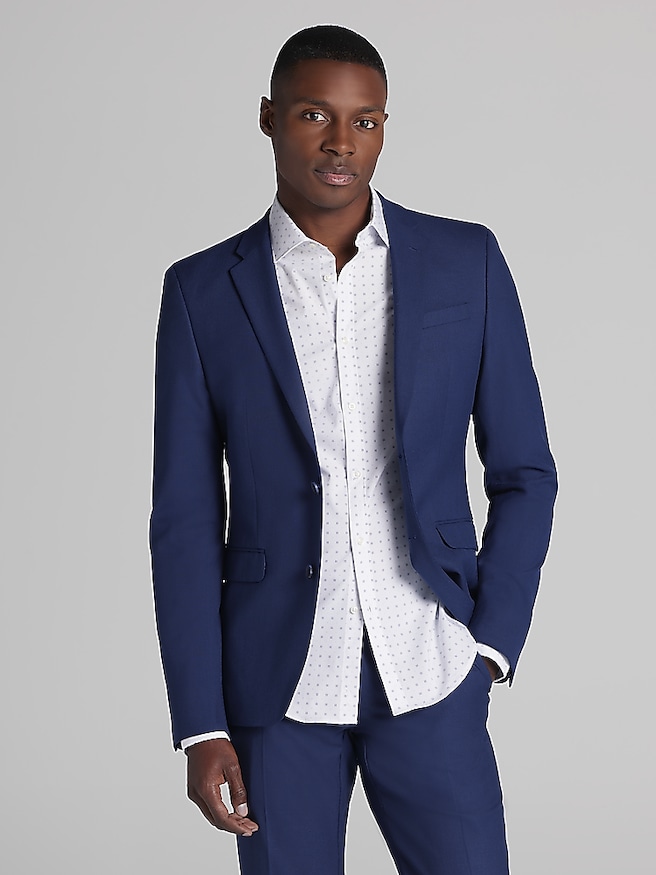
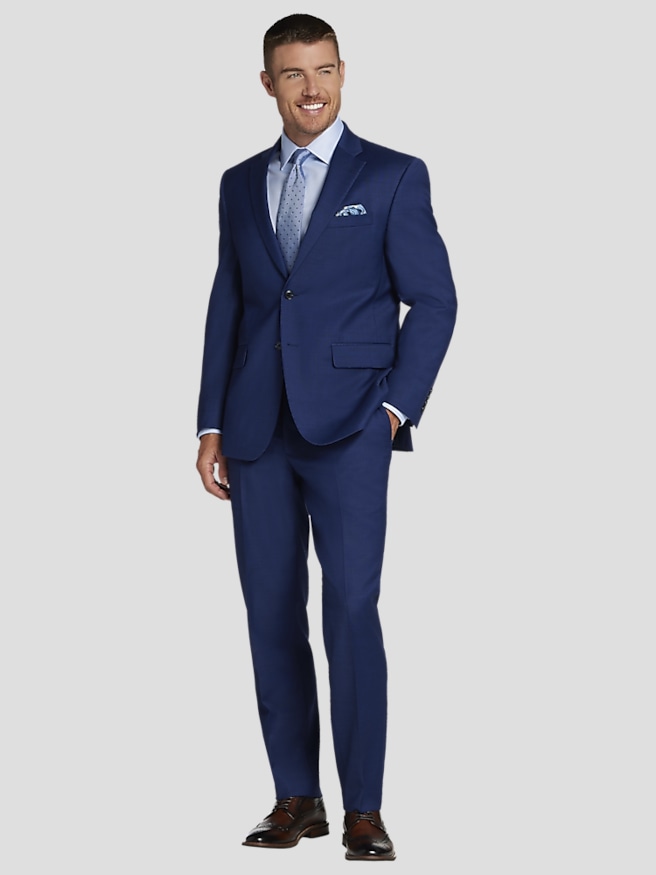
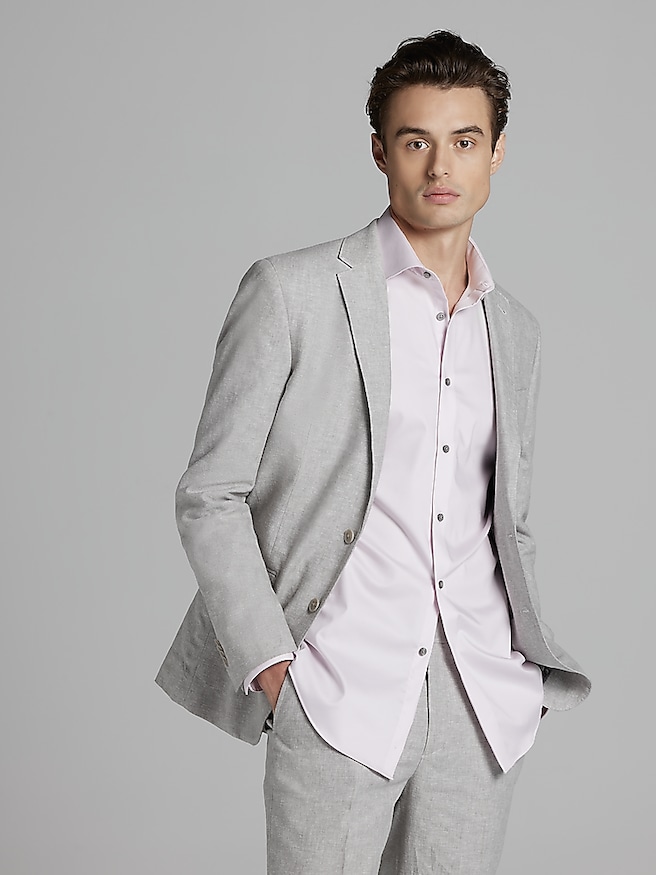
A 48S suit jacket combines a nominal 48-inch chest size with short-length proportions through the body and sleeves. The number generally refers to the wearer’s chest measurement, not the finished circumference of the jacket, which includes extra room for movement and layering over a dress shirt. The S stands for short; it does not mean slim, and it does not specify a trouser size. This combination can suit a man with a broader chest and a shorter torso who finds that regular-length jackets extend too far below the seat or leave excess fabric at the cuffs. Height alone does not determine the right jacket length, since shoulder width, arm length, posture, and torso proportions all affect how tailoring sits. A 48S jacket should look balanced rather than simply cropped, with pockets, buttons, and lapels positioned to complement its shorter body. The shoulder line is especially important: a clean fit follows the natural shoulder without hanging beyond it or pulling tightly across the upper back. Across the chest, the fabric should lie smoothly when the jacket is buttoned, without pronounced diagonal creases radiating from the closure. Enough room to shake hands, reach across a conference table, or sit comfortably helps distinguish a useful everyday fit from one that only looks right while standing still. Classic, modern, and slim cuts can all carry a 48S label, but their shaping through the chest, waist, and upper arms can vary substantially. A fuller cut may feel easier over a substantial upper body, while a more shaped waist can create definition without requiring a smaller chest size. For comparison, 44S Suit Jackets use the same short-length designation with a smaller nominal chest measurement; that size change affects overall fit rather than just jacket length. Measurements and the cut of the garment remain more reliable than assuming every short jacket will fit alike.
Fabric and construction give 48S suit jackets much of their character, influencing everything from the way the lapels roll to how the sleeves move over a shirt. Wool is a traditional suiting choice because its natural resilience helps fabric recover from ordinary creasing, while its drape can create a smooth line across the chest and down the front. A finely woven wool cloth often has a refined surface suited to business meetings, ceremonies, and other occasions calling for coordinated tailoring. More visibly textured weaves add depth without necessarily relying on bold patterns. Wool blends combine the qualities of multiple fibers, and their feel, wrinkle recovery, and care requirements depend on the particular composition. Fabrics containing polyester may contribute durability and resistance to creasing, while a small amount of stretch fiber can provide give through the shoulders and elbows. Stretch does not replace adequate room, however; a jacket that pulls at the button or grips the upper arms still needs a better fit. The lining also influences comfort, helping the jacket slide over a shirt and move without catching. Internal structure supports the chest and lapels, with softer construction creating a more relaxed outline and firmer structure producing a more defined silhouette. Neither approach changes what 48S means, but each can alter how the jacket feels on the body. Single-breasted fronts offer a familiar, versatile appearance, while lapel width, pocket treatment, and the placement of the fastening button shape the overall impression. On a short-length jacket, these details work best when they feel proportionate to both the garment and the wearer. Rear vents allow the hem to open with movement and can help the jacket settle comfortably over the seat. Neat stitching, securely attached buttons, smooth seams, and lining that does not tug at the outer fabric are useful signs of careful finishing. Durability also depends on choosing cloth and construction suited to the frequency of wear, whether the jacket comes out for occasional celebrations or becomes part of a regular professional wardrobe.
The appeal of a well-proportioned 48S suit jacket is its ability to bring a composed, intentional look to familiar moments: an interview, a client presentation, a wedding ceremony, or a family photograph that will be kept for years. Navy and charcoal offer understated foundations for many dress codes, while black has a crisp, formal presence where the occasion calls for it. Subtle stripes or checks introduce visual interest, although a matching suit depends on more than a similar color. Trousers intended to complete the suit should match the jacket’s fabric, shade, and pattern; two pieces described as navy can look noticeably unrelated side by side. A 48S jacket does not automatically require a particular waist measurement or inseam, and trouser fit should reflect the wearer’s own proportions. A textured jacket may also work with contrasting tailored trousers when the fabric and styling support a less formal combination. A white or light blue dress shirt keeps the focus on the jacket’s lines, and a modest amount of visible shirt cuff gives the sleeve a finished appearance. Sleeve length and waist shaping may be adjustable, but the scope of alterations depends on seam allowances, construction, and cuff details. Getting the shoulders and basic body length right from the start generally provides a stronger foundation than expecting extensive alterations to transform the garment. For a gift, a confirmed jacket size and knowledge of the recipient’s preferred cut are particularly helpful, since a chest number alone cannot capture fit preferences. Between wears, a broad, supportive hanger helps preserve the shoulders, and space in the closet prevents the lapels and sleeves from being crushed. Emptying the pockets reduces strain and helps the front hang cleanly. Gentle brushing can lift surface dust, while spills need attention appropriate to the fabric rather than vigorous rubbing. The care label should determine cleaning and pressing methods, including whether professional dry cleaning is required. With thoughtful handling and a fit that allows natural movement, a 48S suit jacket can remain a dependable part of a polished wardrobe.