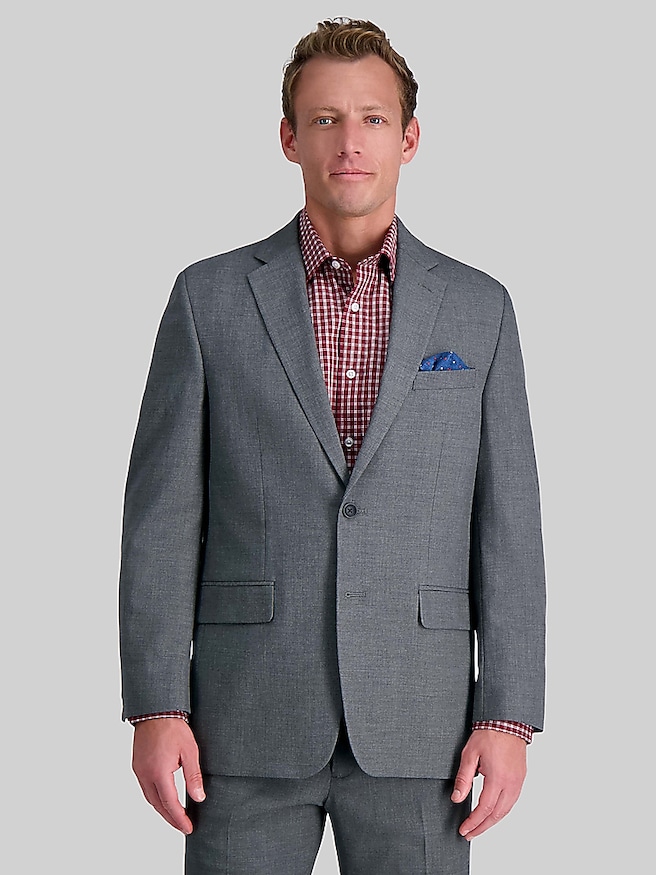
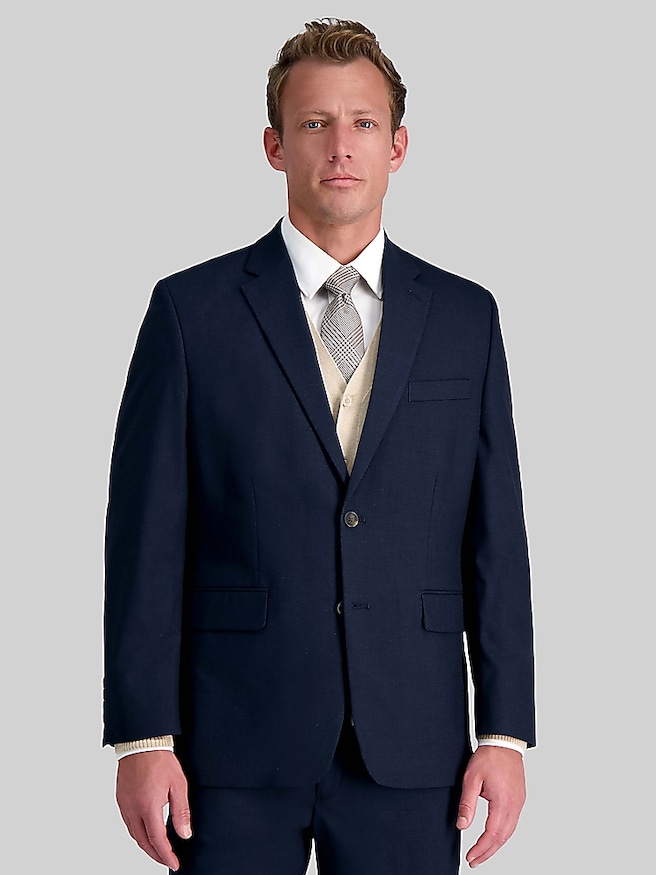
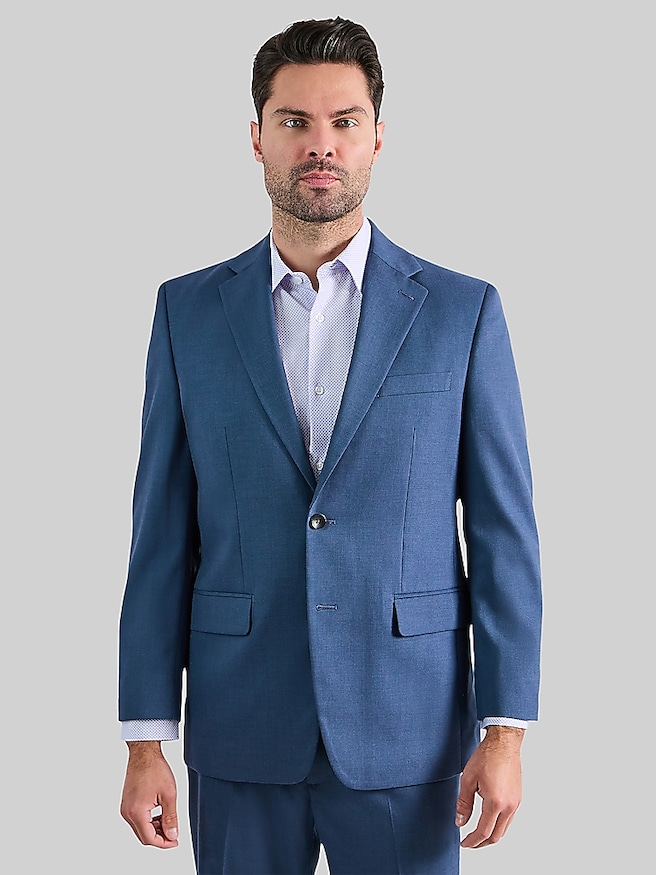
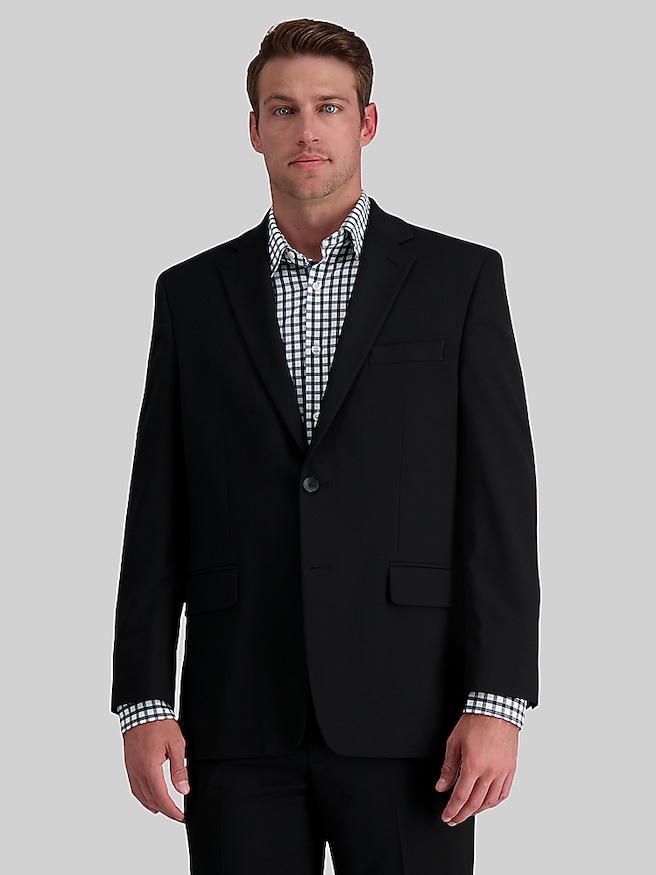
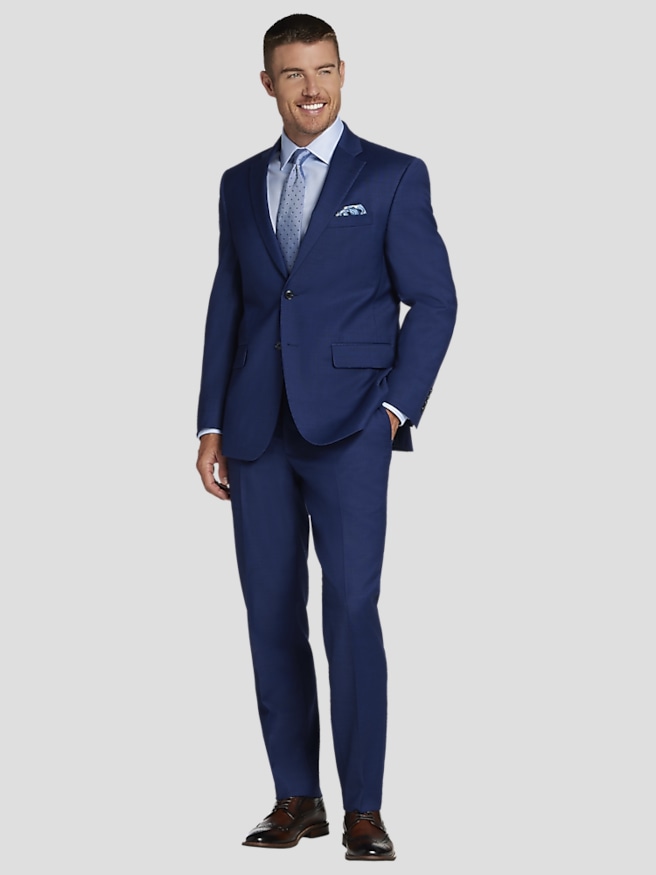
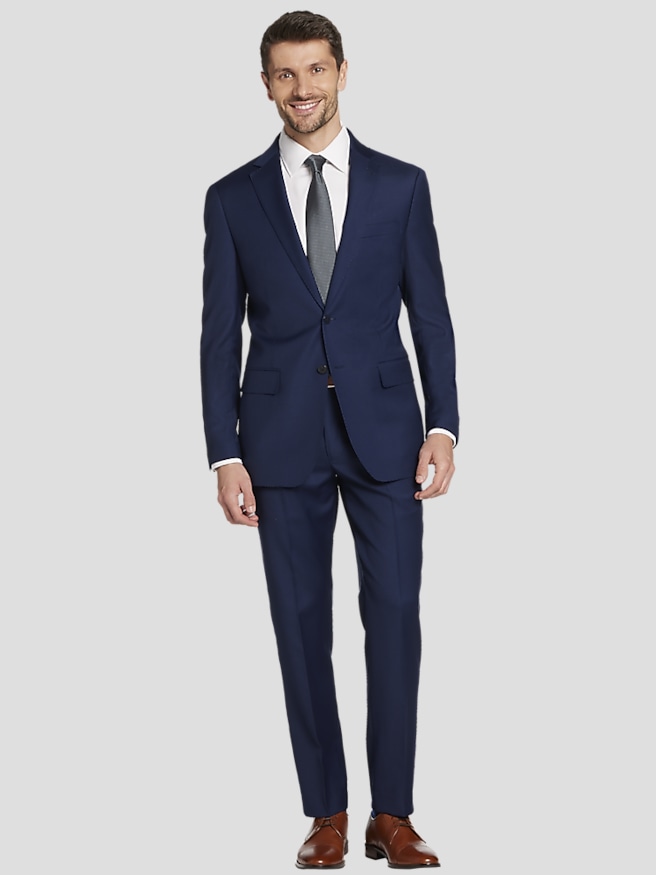
A 34S suit jacket is generally sized for a chest measurement of about 34 inches and a shorter frame, with the “S” indicating short proportions rather than a slimmer cut. Compared with a regular-length jacket in the same chest size, a short jacket typically has a shorter body and sleeves, helping the hem, cuffs, and waist shaping sit in proportion. Short sizing often suits men around 5 feet 8 inches and under, although torso length, arm length, and posture matter as much as height. The chest number refers to the wearer’s approximate body measurement, not the jacket’s finished circumference; the garment includes additional room for a shirt and comfortable movement. For someone with a smaller chest and a shorter torso, 34S suit jackets can create a balanced silhouette without the dropped cuffs or low hem that sometimes come with regular sizing. That balance is especially noticeable at a job interview, during a wedding ceremony, or across a conference table, where a clean shoulder line and a well-positioned collar help the entire outfit look composed. The shoulder seams should sit close to the natural ends of the shoulders, and the collar should rest against the shirt collar rather than stand away from it. When the jacket is buttoned as intended, the front should lie smoothly without pronounced pulling across the middle or lapels that bow outward. There should also be enough room to sit, reach for a handshake, and bend the elbows without feeling tightly wrapped. A short length does not automatically mean a slim fit: a 34S jacket may have close shaping or a more relaxed outline, depending on its cut. Comparing body measurements with the size chart and checking the fit over the shirt intended for the occasion gives a clearer picture than relying on the size label alone. The strongest fit looks natural both while standing still and while moving through an ordinary day.
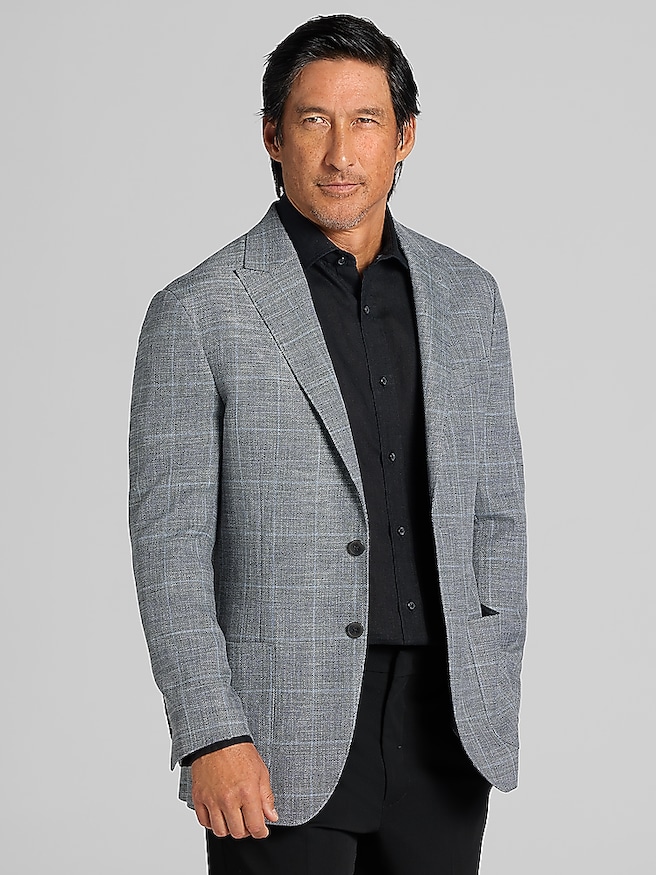
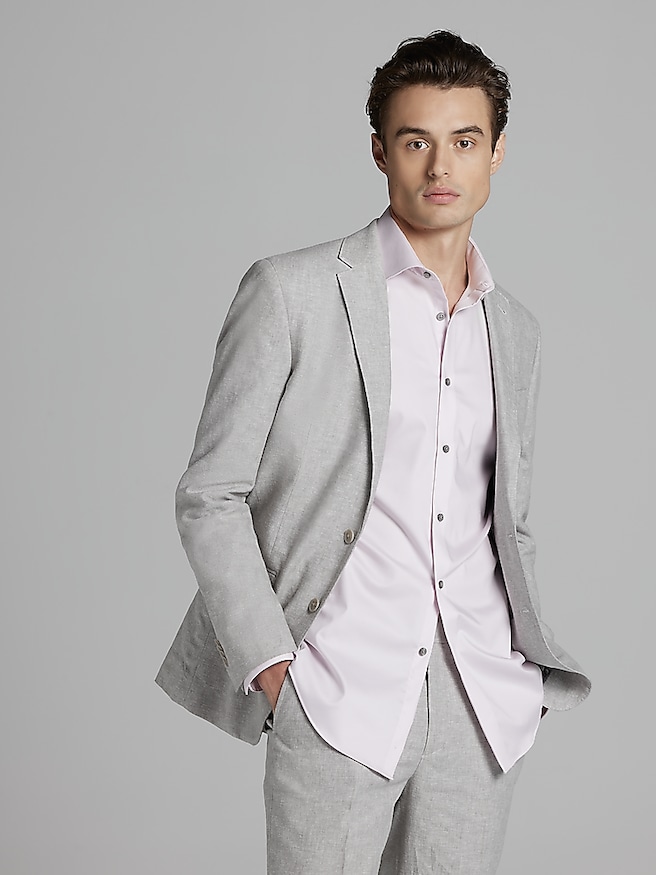
Fabric and construction influence how a 34S suit jacket feels from the first morning appointment to the last conversation at an evening gathering. Wool is a familiar choice for tailoring because it can drape cleanly, breathe comfortably, and recover from light creasing between wears. A smooth worsted wool has a crisp appearance suited to professional settings and dressier occasions, while a more textured weave can give the same basic silhouette a softer character. Wool blends vary widely: some incorporate fibers that add stretch, while others emphasize shape retention or easier upkeep. Fiber content is only part of the story, since fabric weight, weave, lining, and internal construction also affect comfort. A lighter fabric with less lining may feel less restrictive in a heated room, while a more substantial cloth can provide a pleasing drape during the cooler months. Stretch can be useful for a commute or a long seated event, but it should complement a sound fit rather than compensate for a chest or upper sleeve that is too tight. Lining can help the jacket slide smoothly over a dress shirt, and vents can ease movement when sitting or walking. Lapel width, button placement, and pocket styling shape the overall impression as well. On a shorter frame, these details should feel balanced rather than oversized, though personal taste still has a place. Dark blue and charcoal shades offer a restrained foundation for office wear and formal daytime events; subtle patterns or visible texture can add interest without dominating the outfit. When a full suit is the goal, matching trousers should share the jacket’s fabric and color, preferably as part of the same coordinated suit. Two pieces that appear nearly identical under bedroom lighting can look noticeably mismatched in daylight. For less formal settings, a suit jacket may work with contrasting trousers when its texture and construction lend themselves to wearing it separately. A softly textured jacket generally makes that transition more naturally than a very sleek, formal-looking cloth.
The intended occasion helps determine which details deserve the most attention. For frequent office wear, comfortable movement, resilient fabric, and a shape that works with several dress shirts can matter more than decorative touches. For a wedding or graduation, the jacket should remain comfortable through standing, photographs, dinner, and time spent seated. A tie and polished dress shoes can sharpen the appearance, while an open-collar shirt can soften it when the dress code allows. During the cooler months, a fine-gauge knit may work beneath the jacket, provided the added layer does not crowd the chest or distort the shoulders. Someone building a first tailored wardrobe may appreciate a versatile 34S suit jacket as a gift, but confirmed measurements and fit preferences are more useful than guessing from height or a casual shirt size. Chest size and jacket length are separate considerations: the short designation also appears in larger chest sizes, including 44S Suit Jackets, so a shorter frame does not necessarily call for a smaller chest measurement. Once the basic size is established, modest alterations can refine sleeve length or waist shaping, subject to the jacket’s construction and seam allowance. Shoulders and overall body length are usually less forgiving areas to correct, making them important checkpoints from the outset. Proper care helps preserve that fit and the fabric’s appearance. After wearing, empty the pockets, give the jacket time to air, and place it on a broad, shaped hanger that supports the shoulders. Light brushing can remove surface dust, and allowing the jacket to rest between wears helps it recover from everyday creasing. Follow the care label for cleaning and pressing; many tailored jackets call for professional dry cleaning rather than machine washing. Excessive heat or careless ironing can leave shine, flatten texture, or affect internal shaping. For travel, a breathable garment bag and enough hanging space at the destination can reduce unnecessary crushing. With a well-matched cut, thoughtful fabric choice, and consistent care, a 34S suit jacket can remain a dependable part of a wardrobe for professional milestones, meaningful celebrations, and occasions that call for a polished appearance.