A 48 regular suit, often labeled 48R, is sized for a chest measurement of approximately 48 inches and a regular-length jacket. The number refers to the intended body measurement, not the exact circumference of the finished jacket, which includes room for movement and the suit’s particular cut. Regular length generally suits men around 5 feet 9 inches to 6 feet tall, although torso length, arm length, and overall proportions matter more than height alone. Within the same chest size, a regular jacket has longer body and sleeve proportions than a short and shorter proportions than a long. That length designation is separate from fit: classic, modern, and slim cuts can each have a regular-length jacket, with varying room through the chest, waist, seat, and thighs. A balanced fit starts with shoulders that sit naturally rather than extending beyond the body or pulling inward. The collar rests against the shirt collar, the lapels lie flat, and the jacket closes without pronounced pulling across the button. There should also be enough ease to sit at a desk, reach for a handshake, or move through a reception comfortably. Trouser sizing deserves equal attention. Many traditionally paired suits use a six-inch drop, meaning a size 48 jacket may come with trousers labeled for a 42-inch waist, but that pairing is not universal. Size charts and the stated trouser size provide a more useful reference than an assumption based on the jacket alone. Suit separates can accommodate proportions that do not match a standard jacket-and-trouser pairing. For a larger chest measurement combined with a shorter jacket length, 50 Short Suits represent a distinct sizing combination rather than simply a roomier version of 48 regular. Across these proportions, the goal is a jacket that frames the body cleanly and trousers that hang smoothly, with neither excess fabric pooling at the seat nor strain across the pockets.
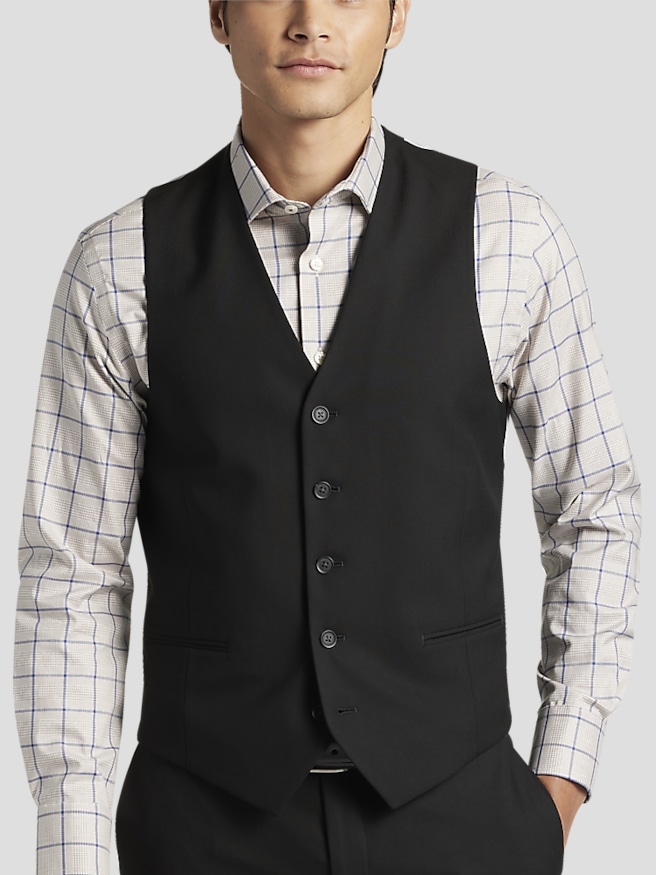
Fabric and construction give 48 regular suits much of their character, influencing how they drape, move, and hold their appearance through repeated wear. Wool is a traditional suiting material because of its natural resilience, breathability, and ability to fall in clean lines. A smooth worsted wool has a refined surface suited to business meetings, interviews, ceremonies, and other occasions that call for a polished appearance. Wool blends may combine that familiar drape with other qualities, such as added stretch or wrinkle resistance, depending on the fibers and proportions involved. Synthetic blends can offer practical durability and straightforward maintenance, though the care label remains the best reference for any particular fabric. Fabric weight and weave also affect the silhouette: a more substantial cloth can give the jacket definition, while a lighter cloth may create a softer outline. A small amount of stretch can make sitting and reaching more comfortable, but it does not replace adequate room through the shoulders, chest, or thighs. Inside the jacket, lining and internal structure influence how firmly the front holds its shape and how easily the garment slides over a dress shirt. Color and pattern establish the overall impression just as clearly. Navy and charcoal provide versatile foundations for professional settings and milestone events, while medium gray offers another understated option with considerable styling flexibility. Fine pinstripes, subtle checks, and textured weaves add interest without necessarily dominating an outfit. A two-piece suit keeps the presentation straightforward, while a coordinating vest creates a more complete three-piece look. The invitation or workplace dress expectation still matters: a business suit serves many formal-looking occasions, but an event specifying black tie generally calls for a tuxedo rather than a standard suit. These distinctions help connect fabric, design, and intended use without relying on chest size alone to define the outfit.
The finishing details make a 48 regular suit feel personal while preserving a clean, proportionate appearance. A white dress shirt creates a crisp foundation, and pale blue introduces color without competing with the jacket. Shirt fit matters underneath: excess fabric can bunch at the waist or sleeves, while an overly close shirt may restrict movement even when the suit fits well. A tie that sits comfortably within the width of the lapels generally looks balanced, and a pocket square can add contrast without matching the tie exactly. Black leather shoes provide a straightforward pairing with charcoal, while brown leather can complement navy and many gray tones; the occasion determines how restrained or expressive those choices should be. Tailoring can refine trouser hems, sleeve length, and waist shaping, although shoulder structure and major jacket-length changes are more complicated. A small amount of shirt cuff showing beneath the jacket sleeve and a deliberate trouser break give the finished outfit definition. For frequent wear, durability depends on both construction and routine care. An appropriately sized, broad-shouldered hanger supports the jacket, and trousers stored neatly along their crease are less likely to develop unnecessary folds. A clothing brush can remove surface lint and dust, while airing the suit between wears helps keep it fresh without excessive cleaning. Dry cleaning should follow the garment’s care instructions and actual need rather than happen automatically after every outing. Treating the jacket and trousers consistently also helps preserve their appearance as a coordinated set. Overfilled pockets can distort the jacket’s lines, and careful pressing is preferable to applying direct heat without checking the fabric requirements. For travel, a suitable garment bag and thoughtful folding help limit creasing before a meeting or celebration. As a gift, a suit benefits from confirmed measurements and knowledge of the recipient’s preferred cut. Whether worn for an interview, a wedding, a presentation, or an established professional routine, a well-proportioned 48 regular suit combines a defined silhouette with the comfort needed to focus on the occasion.